Rick Simpson Oil (RSO) in Pennsylvania: The Complete Guide by OilWell Cannabis
Understanding Rick Simpson Oil: From Nova Scotia to Your Home in the Keystone State
Rick Simpson was born in 1949 in Amherst, Nova Scotia, Canada—not a doctor, not a scientist, but a power engineer and maintenance worker who reached for cannabis when the medical system failed him. In 1997, while working at a hospital in Moncton, Simpson fell from scaffolding and suffered a serious head injury that left him with persistent tinnitus, dizziness, and post-concussion symptoms that conventional medicine couldn’t resolve. The medications prescribed either didn’t help or made things worse. When he asked his physician about cannabis, the request was refused.
Simpson’s interest in concentrated cannabis oil deepened after learning about a 1974 NIH-funded study at the Medical College of Virginia where THC slowed or shrank tumors in mice. That study—intended to demonstrate harm—became foundational to his advocacy, even though its findings were never replicated in controlled human cancer trials.
The pivotal moment came in 2003. After three bumps on his arm were diagnosed as basal cell carcinoma, Simpson applied concentrated cannabis oil directly to the lesions, covered them with bandages, and claimed they disappeared within four days. No independent medical verification, biopsy confirmation, or clinical follow-up was ever published. Still, this personal experience became the origin story of Rick Simpson Oil and the catalyst for a global movement.
Important context: Simpson’s account is personal testimony, not medical evidence. The absence of clinical documentation means these events cannot be evaluated as scientific proof, but they are historically significant as the catalyst for a global movement.
The Crusade: Spreading the Oil
After his 2003 experience, Simpson committed himself to producing and distributing concentrated cannabis oil. He gave it away for free—charging nothing—to cancer patients and others in his community. He claimed to help people with cancer, chronic pain, diabetes, infections, glaucoma, arthritis, depression, insomnia, multiple sclerosis, and more.
His story reached millions through the 2005 documentary Run From The Cure, which became foundational in cannabis communities worldwide. For many, this film was their first introduction to concentrated cannabis oil as medicine.
But Simpson’s advocacy brought him into direct conflict with Canadian law. The RCMP raided his property in 2005 and again in 2009. He faced charges for cultivation, possession, and trafficking. Eventually, he left Canada for Europe, continuing his advocacy from Croatia and the Netherlands.
Throughout his public career, Simpson maintained an uncompromising position: cannabis oil could cure cancer and many other diseases, and pharmaceutical companies, government agencies, and medical institutions were actively suppressing this knowledge. He framed his work as fighting institutional corruption.
Important context: Simpson’s conspiratorial framing is noted here without endorsement or dismissal. It reflects a worldview shared by many in the early cannabis movement and is relevant to understanding RSO’s cultural significance.
Traditional RSO: The Original Protocol
Simpson’s core treatment recommendation was a structured oral protocol: 60 grams of concentrated cannabis oil over approximately 90 days.
Titration schedule:
- Week 1: Half a grain of rice-sized dose (10-15 mg) three times daily
- Weeks 2-5: Double the dose every four days, building to 1 gram per day
- Weeks 5-12: Maintain 1 gram per day in three divided doses
- Administration: Primarily oral (sublingual or swallowed), topical for skin cancers
- Post-protocol: Maintenance dose of 1-2 grams per month
Important context for evaluating this protocol:
- No controlled trial validation exists
- Traditional RSO was crude, unstandardized material with unknown potency
- Peak dosing delivers approximately 600-900 mg of delta-9 THC daily—far exceeding any studied clinical dose
- Real risks at these doses include severe intoxication, anxiety, panic, tachycardia, hypotension, and cannabis use disorder
- Patients with active cancer are medically complex; using unregulated cannabis oil as primary treatment introduces harm beyond the oil itself
Traditional RSO: The Product
Traditional RSO was defined by method, not lab specifications:
- Source material: Single high-THC indica strain, no standardization
- Extraction solvent: Naphtha (petroleum-based) or 99% isopropyl alcohol—neither food-grade
- Process: Bucket, solvent agitation, filtration, rice cooker evaporation, syringe storage
- Appearance: Nearly black, thick, tar-like oil with strong cannabis odor
- Cannabinoid profile: THC-dominant (60-90% estimated), fully decarboxylated, uncontrolled ratios
- Terpene content: Minimal to none—destroyed by heat and solvent
- Standardization: None—every batch different, no lab testing
- Residual solvent risk: Naphtha may contain benzene, toluene, carcinogens; incomplete purging difficult to verify
Simpson’s Claims vs. The Evidence Record
What Simpson was not: He had no medical training, conducted no clinical trials, published no peer-reviewed research. His evidence base consisted of personal experience and testimonials with no controls, verification, or blinding.
What preclinical literature shows: In vitro and animal studies demonstrate THC and CBD can induce apoptosis, inhibit proliferation, and reduce angiogenesis in certain cancer cell lines. These findings generated legitimate scientific interest but have not translated to proven human cancer cures.
What preclinical literature does not show: No human clinical trial has demonstrated RSO cures cancer. The gap between animal results and human outcomes is vast.
Institutional positions:
- National Cancer Institute acknowledges anticancer research but does not endorse cannabis as cancer treatment
- FDA has not approved any cannabis plant product for cancer treatment
- Health Canada has never approved RSO or cannabis oil as a cancer cure
- NCCIH identifies strongest evidence for rare epilepsies, chemo nausea, and HIV/AIDS appetite—not cancer cure
What Simpson got right: He drew attention to cannabinoids as serious biomedical research when the world was ignoring it. He helped create conditions for the legal cannabis industry. The term RSO remains the most recognized name for full-spectrum cannabis extract.
What he overstated: Cure claims exceeded the evidence. Encouraging patients to use RSO instead of proven cancer therapies carries genuine harm potential. Delayed or foregone treatment is a documented concern.
Why Pennsylvania Needs Modern RSO: Our Story
From McAllen to Montrose: Building Something Real
OilWell Cannabis was founded by Colin Valencia in Houston, Texas. Colin grew up in McAllen, Texas—right across the river from Reynosa, Tamaulipas, Mexico. The Borderplex region is one of the most economically challenged and dangerous areas along the U.S.-Mexico border, marked by poverty, cartel violence, and limited opportunities. By sixteen, Colin had to leave home for good. He learned to hustle in an environment where risk was constant and survival was never guaranteed.
Despite the dangers, Colin didn’t fall into selling harder substances. He focused on cannabis—a plant he understood intimately from the traditional underground market. He later became a formally trained software engineer and did custom development work for Baylor College of Medicine, one of the most prestigious medical institutions in the Texas Medical Center. That combination—deep cannabis plant knowledge plus medical-grade technical precision—defines OilWell’s approach.
But the company’s origin story begins with a dog named Bentley.
Bentley was family. When he fell seriously ill, veterinarians delivered the verdict no pet owner wants to hear: euthanasia was the only humane option. Bentley was paralyzed in his back legs. They said pain medications would destroy his internal organs, causing more suffering. The choice was painful prolonged decline or immediate mercy killing.
Giving up on Bentley was not an option. In a desperate search for alternatives, a rescue worker named Jessica asked Colin a question that changed everything: “You’ve moved how many tons of weed and you’ve never heard of CBD?”
Colin had cannabis experience—but it was recreational. He’d never explored therapeutic applications. Jessica’s question exposed a blind spot that became a mission.
Determined to save Bentley, Colin created CBD golden paste. It wasn’t a cure, but it was hope. And that hope delivered what veterinary medicine said was impossible: Bentley got up, walked over, and brought Colin his ball to play. From paralyzed and facing euthanasia to fetching his ball. This was not placebo effect—dogs don’t respond to placebo. This was cannabinoid medicine doing what pharmaceuticals could not.
Bentley lived another ten years, passing naturally at age twenty. During those years, Colin developed specialized formulas for every age-related condition Bentley faced:
- Neurodegeneration → CBG’s neuroprotective properties and THCa’s PPARγ agonism for brain cell protection
- Dementia → CBC’s role in neurogenesis
- Glaucoma → THC’s CB1 agonism for intraocular pressure reduction
- Crippling arthritis → Multi-pathway anti-inflammatory approaches using CBD, CBG, THCa, and beta-caryophyllene working through different receptor systems simultaneously
Single cannabinoids weren’t enough. Bentley’s evolving conditions required multi-cannabinoid synergy. Pharmaceutical precision mattered—Bentley’s life depended on formula accuracy, not guesswork.
Colin’s Own Battle: PTSD and Benzo Addiction
Colin also knows pharmaceutical dependence personally. He struggled with PTSD and benzodiazepine addiction. When he decided to break free from Xanax, he did it cold turkey—a feat notorious for difficulty and danger—using the cannabinoid knowledge he’d developed keeping Bentley alive.
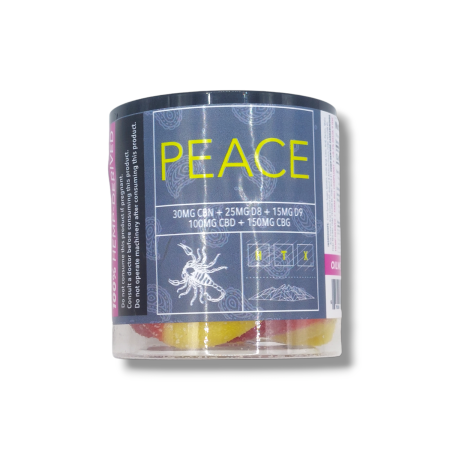
The Peace Gummies formula was created during midnight experiments while fighting through benzo withdrawal. To ensure quick relief, OilWell also offers this formula in vape form, which Colin personally uses to manage his insomnia and severe PTSD. This is not theoretical knowledge. Colin lived what RSO patients live: desperation for relief, failed pharmaceuticals, the discovery that cannabinoids work when pills do not.
Over time, these therapeutic benefits became the core of OilWell’s work. We’ve developed formulas that doctors use for Crohn’s disease, IBS, ulcerative colitis, PTSD, benzo addiction, and insomnia. Our focus has always been making cannabis accessible and effective for everyone—including vegans, diabetics, and those with specific health needs.
Media Recognition: Seven ABC13 Features, Houston’s Trusted Voice
Between September 2019 and April 2023, ABC13 Houston (KTRK) featured Colin Valencia and OilWell Cannabis in seven distinct news segments. Five different reporters sought us out across those years: Tom Abrahams, Steve Campion, Shelley Childers, Nick Natario, and KTRK staff writers. No other Houston cannabis operator appears with that frequency or breadth.
September 15, 2019 — Texas CBD businesses booming
Colin’s foundational quote: “I’m not trying to sell people snake oil. I’m not trying to sell people hope, but there’s enough research out there that people just need to know and try and have the best possible version to base their opinions off of to give it a fair shot as to whether it’s right or wrong for them.”
March 22, 2021 — Direct-to-consumer business ahead of decriminalization
Colin on therapy: “People think that everyone just wants to get high and it’s about giggling and things like that, and there’s nothing wrong with that. But that’s a different version of therapy, and people are looking for things to help them with real pain. Pain comes in a lot of different forms.”
May 24, 2021 — Delta-8 THC “legal weed” investigation
Steve Campion asked why someone would smoke Delta-8. Colin’s iconic response: “I don’t give a sh* if it’s wrong to say you’ll get high off it. Maybe you want to get high.”* ABC13 aired the uncensored quote, demonstrating our radical honesty.
August 20, 2021 — COVID vaccine giveaway
We gave away 1,000 special edition caviar pre-rolls (approximately $35,000 in product) to encourage vaccination. We coordinated with the city of Houston with no political strings attached. Our statement: “We just want Houston to be as healthy as possible. We’re not doctors. We’re not experts on this . We don’t have any political agenda. Come and participate if it’s right and safe for you and your loved ones!”
October 19, 2021 — Delta-8 ban impact
When Texas classified Delta-8 as Schedule I overnight, Colin proactively removed all products before enforcement began and warned other operators who were unknowingly shipping Schedule I narcotics. “It’s going to be a surprise to a lot of people… So those people are now, because they didn’t know, shipping Schedule 1 narcotics, and people are receiving it.”
October 7, 2022 — Biden marijuana pardon
The feature revealed Colin’s personal marijuana conviction history. “You face challenges with housing, loans, and banking, I mean with about everything… I would love to see people not get hurt for this anymore.”
April 21, 2023 — Marijuana industry creativity
Colin’s Renaissance framing: “Right now is actually a pretty – like Renaissance – pretty important time that should be enjoyed now.”
These features document a consistent pattern: when ABC13 needs to explain cannabis to Houston, it calls us. That credibility extends to Pennsylvania—you’re hearing from a source major media trusts.
The Science Behind Our Formula: What Pennsylvania Patients Should Know
Research Method: How We Evaluate Evidence
We prioritize sources in this order: human clinical evidence, systematic reviews and meta-analyses, NIH and institutional summaries, then preclinical literature when human data are sparse. This matters because the evidence base is uneven. CBD and delta-9 THC have the strongest human literature; delta-8 THC, THCa, CBG, CBN, CBC, and most terpenes depend more on reviews, animal work, and pharmacology.
Institutional baseline from NIH:
- Strongest evidence: rare epilepsies, chemo nausea, HIV/AIDS appetite
- FDA has not approved the cannabis plant itself for medical use
- Safety concerns: impairment, cannabis use disorder, pregnancy, contamination, labeling inaccuracy
Cannabinoid Profiles: The Seven-Compound Approach
CBD (4,500mg in sublingual formula)
The most evidence-developed nonintoxicating cannabinoid in our formula. Strongest human evidence in seizure disorders. A 2024 systematic review and meta-analysis covering 316 participants across eight studies found significant anxiolytic effects, though authors stress the clinical sample remains limited. Pain research is promising but heterogeneous. Sleep research remains methodologically weak. A 2023 review found real signals for liver enzyme elevation and possible drug-induced liver injury, especially relevant for concentrated oral products and polypharmacy settings.
CBG (3,000mg)
Mostly review-level and preclinical evidence. A 2021 pharmacology review describes interactions spanning cannabinoid receptors, alpha-2 adrenoceptors, and 5-HT1A signaling. Potential relevance to neurologic disorders, inflammatory bowel disease, and antibacterial activity exists, but primarily as pharmacology-led hypotheses. The review explicitly notes CBG is already being sold commercially while the evidence base remains thin.
Delta-8 THC (6,000mg)
Pharmacologically relevant and psychoactive, but much less clinically characterized than delta-9. A 2022 review concluded delta-8 and delta-9 have broadly similar pharmacokinetic behavior, with delta-8 acting as a partial CB1 agonist less potent than delta-9. A 2023 scoping review found the evidence base dominated by animal studies and public-health concerns rather than strong human trials, with reports of adverse consequences. Manufacturing quality concerns are significant.
THCa (1,500mg)
The acidic precursor to THC. Does not produce psychoactive effects itself, but converts to THC with heating or over time. In vitro and rodent literature suggests anti-inflammatory, immunomodulatory, neuroprotective, and antineoplastic possibilities, but not established human outcomes. This is why our sublingual formula includes THCa as a separate ingredient—preserving the acidic precursor for those who want non-psychoactive benefits while giving others the option to activate it.
Delta-9 THC (90mg)
Strongest human evidence among psychoactive cannabinoids, but clearest adverse-effect burden. NCCIH identifies relevance to chemo nausea, HIV/AIDS appetite, and some pain outcomes. A 2022 systematic review found high-THC products may provide short-term pain benefit but increase dizziness, sedation, nausea, and treatment discontinuation. A 2025 review found consistent unfavorable associations with psychosis, schizophrenia, and cannabis use disorder. Safety concerns include anxiety/panic at high doses, tachycardia, hypotension, dependency, and pregnancy risks.
CBN (750mg)
Marketing has moved ahead of the data. The 2021 narrative review on CBN and sleep screened 99 human-study abstracts and found no clinical trials using validated sleep questionnaires or polysomnography that could substantiate strong sleep-promoting claims. The 2024 updated cannabis and sleep review concluded research still doesn’t match real-world use scale. CBN is one of the clearest examples where cultural reputation exceeds clinical evidence.
CBC (750mg)
Emerging and intriguing but overwhelmingly preclinical. A 2024 focused review argues CBC has distinct pharmacodynamics and highlights antinociceptive, antibacterial, and anti-seizure areas as interesting targets. However, the review explicitly notes over-the-counter CBC products are already being sold despite little evidence establishing clinical efficacy or safety.
Terpene Profiles: The Seven-Compound Blend
Our formulas include live terpenes at 5% with a defined profile: limonene, myrcene, caryophyllene, pinene, linalool, humulene, and terpinolene. Terpene claims need stricter interpretation than cannabinoid claims—much literature comes from isolated compounds, essential oils, non-cannabis plants, or preclinical models.
Limonene (citrus-bright)
2021 review describes antioxidant, anti-inflammatory, cardioprotective activities, but most claims from nonhuman literature. Limonene oxidation products are clinically relevant contact allergens.
Myrcene
2021 review describes anxiolytic, antioxidant, anti-inflammatory, analgesic properties but explicitly states human studies are lacking. Consumer language often overstates myrcene as a proven sedative.
Caryophyllene (pepper/spice)
A 2021 review describes beta-caryophyllene as a selective CB2 receptor agonist—unusual and pharmacologically relevant. Anti-inflammatory, immunomodulatory, neuroprotective actions discussed, but human clinical confirmation limited. Arguably the strongest candidate for terpene with cannabinoid-system significance.
Pinene (forest-fresh)
2021 review found antioxidant, anti-inflammatory, neuroprotective signals justifying future study, but emphasized well-designed clinical trials are lacking. Claims about memory improvement or counterbalancing THC cognitive effects remain hypotheses.
Linalool (floral, lavender)
Substantial preclinical interest in stress, mood, brain-health pharmacology, but limited direct clinical confirmation. Oxidized linalool hydroperoxides are recognized allergens.
Humulene (earthy, woody)
2024 scoping review found broad preclinical evidence for anti-inflammatory effects, with some rodent work suggesting cannabimimetic properties via CB1 and adenosine A2a pathways. Valuable for hypothesis generation but not clinically settled.
Terpinolene (piney, fruity, sparkling)
2021 systematic review screened 2,449 records, concluding terpinolene has reported biological effects but evidence dominated by in silico, in vitro, and animal studies. Among listed terpenes, remains especially underdeveloped clinically.
Research Limits and Common Overstatements
Five critical interpretation rules:
- Evidence is highly uneven—CBD and delta-9 THC support most detailed statements; others require caution
- Extract/molecule/synthetic/terpene data aren’t interchangeable
- Minor cannabinoids are commercially interesting BECAUSE they’re underexplored—claims often become inflated
- Product quality matters as much as molecule identity
- THCa chemistry changes with storage/heating
Overstatements to avoid:
- CBN as proven sleep aid: Evidence remains weak, no strong validated-trial base
- Myrcene as proven human sedative: Direct human proof limited
- Terpene entourage effects proven in patients: Robust clinical proof remains limited
- THCa always nonpsychoactive: Heating converts it to THC, changing exposure
- Delta-8 THC safe because hemp-derived: Psychoactive with less robust safety characterization than delta-9
The OilWell RSO Formula: Designed for Pennsylvania’s Needs
Our RSO is not traditional Rick Simpson Oil. It’s a formulated, multi-cannabinoid product informed by the RSO tradition but deliberately evolved to solve problems that limited Simpson’s original vision.
Four Core Principles
1. Accessibility over gatekeeping
No medical card required. Anyone age 21+ can purchase. We ship nationwide across the United States and internationally to customers who verify local legality. Simpson believed medicine should be accessible; we built a product and distribution model that makes that accessible legally.
2. Patient-controlled potency
THCa is sold in its acidic, non-psychoactive form. YOU decide whether to use it raw for non-psychoactive benefits or decarboxylate it into delta-9 THC for full psychoactive potency. Simpson believed patients should control their medicine; we engineered a product that puts that control in your hands through chemistry, not rhetoric.
3. Open-source formulas
We publish our complete formulas publicly—every cannabinoid, every milligram amount—so anyone who cannot afford the product can source ingredients and make their own version. Simpson gave his oil away for free and taught people to make it; we adapted that ethos for the modern cannabinoid marketplace.
4. Evidence-informed, not evidence-overstating
Our GENERAL KNOWLEDGE section represents our commitment to honest education about what science actually says. Simpson operated without access to peer-reviewed literature; we have that access and use it to distinguish between what’s well-supported, emerging, and overstated.
Farm Bill Compliance and Pennsylvania Legal Framework
The 2018 Farm Bill legalized hemp-derived products containing less than 0.3% delta-9 THC at the federal level. Our RSO Sublingual Oil contains only 90 mg delta-9 THC in the entire 30 mL bottle—3 mg per mL—well under the threshold.
For Pennsylvania customers: Our products are legal to purchase, possess, and ship to Pennsylvania. The Pennsylvania Department of Agriculture’s hemp program aligns with federal Farm Bill requirements. You do not need a Pennsylvania medical marijuana card. You do not need to qualify under the state’s limited medical conditions list (which includes cancer, PTSD, epilepsy, autism, terminal illness, ALS, MS, seizure disorders, and incurable neurodegenerative diseases). Our product is accessible to any Pennsylvania resident age 21+.
Important legal notice: THCa converts to delta-9 THC when heated. Pennsylvania customers are responsible for understanding and complying with local laws regarding cannabinoid products after purchase. We ship with full documentation, Certificates of Analysis, and receipts. International Pennsylvania customers accept all customs and legal responsibility.
The Decarboxylation Choice: You Control the Potency
Traditional RSO was always fully psychoactive. Our formula gives Pennsylvania customers three distinct usage options:
Option 1—Raw, no heat (non-psychoactive)
All 1,500 mg stays as THCa. Provides anti-inflammatory activity via COX-2 inhibition and neuroprotective potential via PPARγ agonism. Compatible with work, driving, parenting—zero impairment. Perfect for daytime functional relief across Pennsylvania.
Option 2—Fully activated, home decarboxylation
Heat oil at 260°F (125°C) for 45-60 minutes in an oven-safe glass container. Converts 1,500 mg THCa into approximately 1,315 mg delta-9 THC. Combined with existing 90 mg delta-9 THC, yields approximately 1,405 mg total delta-9 THC. Combined with 6,000 mg delta-8 THC, achieves psychoactive potency comparable to traditional illegal RSO—100% legally, because activation occurs at your discretion after purchase.
Option 3—Partial decarboxylation
Transfer a controlled portion from the original bottle to a second oven-safe container. Decarboxylate only what you intend to use, preserving remainder in raw THCa form. This allows Pennsylvania customers to experiment with graduated potency levels.
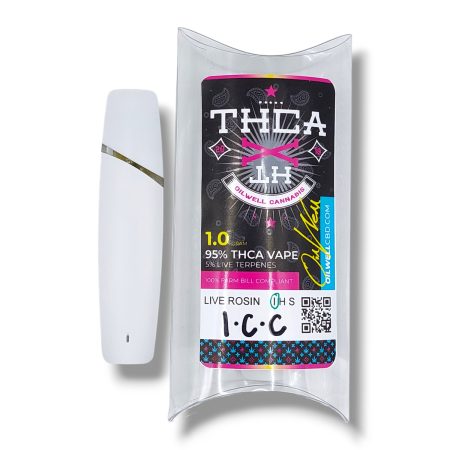
Option 4—Vape cartridge (instant activation)
Our RSO Vape Cartridge vaporizes at 400-450°F, instantly converting THCa to delta-9 THC with each puff. Fastest-onset delivery method available—1-2 minutes.
Conversion chemistry: 1 mg THCa = 0.877 mg delta-9 THC after decarboxylation.
Product Specifications: What Pennsylvania Customers Receive
RSO Sublingual Oil — $129.99
| Cannabinoid | Amount | Pennsylvania Relevance |
|---|---|---|
| CBD | 4,500 mg | Anti-inflammatory, anxiolytic for PA stress |
| CBG | 3,000 mg | Neuroprotection for aging PA population |
| Delta-8 THC | 6,000 mg | Pain relief, anti-nausea for chemo patients |
| THCa | 1,500 mg | Your choice: raw (non-psychoactive) or activated |
| Delta-9 THC | 90 mg | Below 0.3% Farm Bill limit—legal in PA |
| CBN | 750 mg | Sleep support for PA insomniacs |
| CBC | 750 mg | Neurogenesis support for brain health |
| Total | 16,590 mg | 553 mg per mL |
- Live Terpenes: 5% (limonene, myrcene, caryophyllene, pinene, linalool, humulene, terpinolene)
- Format: 30 mL bottle with graduated dropper (0.1 mL increments)
- Onset: 15-45 minutes (sublingual)
- Duration: 4-6 hours
- Bioavailability: 13-19%
- Doses per bottle: 40-60 depending on serving size
RSO Vape Cartridge — $49.99
| Cannabinoid | Percentage | Pennsylvania Use Case |
|---|---|---|
| CBD | 30% | Daytime anxiety relief |
| CBG | 20% | Anti-inflammatory support |
| Delta-8 THC | 15% | Breakthrough pain relief |
| THCa | 10% | Auto-activates with each puff |
| CBN | 10% | Sleep onset for nighttime use |
| CBC | 10% | Neuroprotective synergy |
| Total | 900+ mg | 1 gram cartridge |
- Live Terpenes: 5%+
- Compatibility: 510-thread universal battery (available at Pennsylvania vape shops)
- Onset: 1-2 minutes (fastest delivery)
- Duration: 2-4 hours
- Bioavailability: 10-35%
- Perfect for: Acute breakthrough pain, panic attacks, nausea episodes
When to Use Each Format: Pennsylvania Lifestyle Applications
| Your Situation | Recommended Format | Why It Works for PA Residents |
|---|---|---|
| Acute pain flare-up | Vape | 1-2 minute onset—fast relief when you need it most |
| Chronic daily pain | Sublingual | 4-6 hour sustained relief—ideal for workday coverage |
| Chemotherapy nausea | Vape for immediate, Sublingual for sustained | Breakthrough nausea responds to vape; sublingual prevents recurrence |
| Workday anxiety (no impairment) | Sublingual raw (non-decarbed) | Zero psychoactivity—function fully at Pennsylvania job sites |
| Nighttime sleep support | Sublingual decarbed or Vape | CBN + activated THC promotes sleep architecture |
| PTSD flashbacks | Vape | Rapid onset can interrupt escalating symptoms |
| Arthritis inflammation | Sublingual raw | THCa COX-2 inhibition + caryophyllene CB2 activation |
| Social anxiety at PA events | Sublingual raw | Limonene mood support without intoxication |
Competitive Comparison: Why OilWell Beats Pennsylvania Alternatives
OilWell vs. Pennsylvania Medical Marijuana Dispensary RSO
| Dimension | PA Dispensary RSO | OilWell RSO |
|---|---|---|
| Cannabinoid profile | THC-only (420 mg per 0.5g syringe) | 7 cannabinoids: CBD, CBG, delta-8 THC, THCa, delta-9 THC, CBN, CBC |
| Patient-controlled potency | No—always psychoactive | Yes—THCa non-psychoactive until you heat it |
| Access requirements | PA medical card + qualifying condition | Age 21+ only—no card needed |
| PA qualifying conditions | Cancer, PTSD, epilepsy, autism, terminal illness, ALS, MS, seizures, neurodegenerative | None required |
| Delivery | Must travel to dispensary (Philadelphia, Pittsburgh, etc.) | Ships directly to your Pennsylvania address |
| Price | $60-80 per 0.5g syringe | $129.99 for 30mL (16,590 mg total cannabinoids) |
| Farm Bill compliant | No—state medical program | Yes—ships nationwide legally |
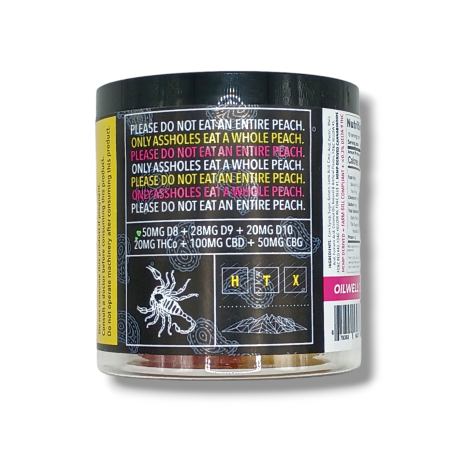
For Pennsylvania veterans: Our Asshole Peach product is particularly favored for PTSD and pain relief, addressing needs many PA veterans face.
For Pennsylvania cancer patients: Our multi-cannabinoid approach provides broader therapeutic potential than THC-only dispensary products, with CBG for neuroprotection and CBN for sleep support during treatment.
OilWell vs. Pennsylvania Hemp CBD RSO
| Dimension | Hemp CBD RSO (1,000 mg) | OilWell RSO (16,590 mg) |
|---|---|---|
| Total cannabinoids | 1,000 mg | 16,590 mg (16x more) |
| Delta-8 THC | 0 mg | 6,000 mg (real therapeutic potential) |
| THCa (convertible) | Minimal | 1,500 mg → ~1,315 mg delta-9 THC |
| Psychoactive option | No meaningful effect | Yes—legal activation at home |
| Price | $40-50 | $129.99 (far better mg/$ ratio) |
Condition-Specific Guidance for Pennsylvania Residents
Important disclaimer: These usage contexts are informed by cannabinoid research cited in our GENERAL KNOWLEDGE section. They are not medical prescriptions, not FDA-approved treatment protocols, and not a substitute for professional medical care. Always consult a qualified healthcare provider before using cannabinoid products, especially if you have a medical condition, take medications, are pregnant or nursing. Do not operate vehicles or machinery while under the influence of psychoactive cannabinoids.
Chemotherapy-Related Nausea and Appetite Support
Typical Pennsylvania patient scenario: You’re receiving treatment at Penn Medicine, UPMC Hillman Cancer Center, or similar facility. Traditional anti-nausea meds aren’t enough.
Our recommendation:
- Pre-chemo: 0.5-1.0 mL sublingual approximately 1 hour before treatment
- Acute breakthrough nausea: 2-3 vape puffs for immediate relief (1-2 minute onset)
- Post-chemo: 0.5 mL sublingual every 6 hours as needed
- Sleep support during treatment: 1.0-2.0 mL sublingual before bed (delivers 25-50 mg CBN)
Evidence context: Delta-8 THC antiemetic evidence [9], delta-9 THC nausea/vomiting evidence [1][13], CBD anxiolytic buffering [3]
Chronic Pain (Fibromyalgia, Arthritis, Neuropathy)
Typical Pennsylvania patient scenario: You live with daily pain from conditions common in Pennsylvania’s aging population or among industrial workers. You’ve tried opioids and want alternatives.
Our recommendation:
- Daytime: 0.3-0.5 mL raw sublingual—provides anti-inflammatory cannabinoid exposure without impairment (function at PA job sites)
- Nighttime: 0.5-1.0 mL decarboxylated sublingual—combines pain relief with CBN sleep support
- Breakthrough pain: Vape as needed for rapid onset
Evidence context: CBD pain evidence [4], delta-9 THC pain evidence [13], beta-caryophyllene CB2 agonism [24], THCa COX-2 inhibition [12]
Sleep Support for Pennsylvania Insomniacs
Typical Pennsylvania patient scenario: Stress from job insecurity, family pressures, or health concerns keeps you awake. Prescription sleep meds cause grogginess.
Our recommendation:
- Before bed: 1.0-2.0 mL sublingual
- At 2.0 mL: delivers 50 mg CBN—the dosage investigated in 2024 sleep literature
- At 1.0 mL: delivers 25 mg CBN—above threshold associated with reduced sleep disturbance
Evidence context: CBN sleep evidence [16][17], cannabis and sleep review literature
Anxiety and Stress in Pennsylvania’s High-Pressure Environment
Typical Pennsylvania patient scenario: Work demands, family obligations, and economic pressures create constant stress. You need relief without impairment.
Our recommendation:
- Daytime functional relief: 0.3 mL raw sublingual—CBD and CBG address anxiety pathways without psychoactive impairment
- Nighttime: 1.0 mL sublingual—full profile including CBN for sleep architecture
Evidence context: CBD anxiety evidence [3], CBG pharmacology [7][8], limonene entourage-effect evidence [20]
Solvent-Free Production: Safety Pennsylvania Can Trust
Traditional RSO used naphtha or isopropyl alcohol—neither food-grade, posing significant residual solvent risks. Our production uses zero solvents. We blend individual cannabinoid distillates and isolates in a controlled environment.
Carrier: Organic MCT oil (medium-chain triglycerides)—food-grade, facilitates sublingual absorption, neutral taste
Testing: Third-party lab panels cover:
- Cannabinoid potency (±2% accuracy via HPLC/UHPLC)
- Terpene profile
- Pesticides (400+ compound screening)
- Heavy metals (arsenic, cadmium, lead, mercury below FDA limits)
- Residual solvents (FDA Class 3 limits <5,000 ppm)
- Microbial contaminants (E. coli, Salmonella, Aspergillus)
Certificates of Analysis: Available on request and through our website. Every Pennsylvania customer receives product documentation.
Delivery to Pennsylvania: How to Get Our Products
Nationwide Shipping to Pennsylvania
We ship to all Pennsylvania addresses via:
- USPS Priority Mail: 2-3 business days
- FedEx/UPS Ground: 3-5 business days
- Discreet packaging: No cannabis branding visible
- Tracking provided: Monitor your order from our Houston facility to your Pennsylvania doorstep
- Temperature-stable packaging: Protects product integrity during Pennsylvania summer heat
- Signature-required option: Available for added security
International Shipping (for Pennsylvania customers abroad)
We ship internationally to jurisdictions where hemp-derived products with <0.3% delta-9 THC are permitted. Packages include:
- Full Certificates of Analysis
- Detailed product receipts
- Customs documentation
- Customer accepts all customs and legal responsibility
Contact: (832) 416-2816 or [email protected] for Pennsylvania shipping questions.
Our Open-Source Commitment: If You Can’t Afford It, Make It
We publish our complete formulas so Pennsylvania residents who cannot afford $129.99 can source ingredients and make their own version. This is our promise: accessibility isn’t just about selling products—it’s about sharing knowledge.
The Bentley golden paste recipe (our original open-source formula):
Ingredients:
- 1/2 cup organic turmeric powder
- 1 cup water
- 1/3 cup coconut oil (unrefined, organic)
- 1-2 teaspoons freshly ground black pepper (critical for absorption)
- CBD oil (dosage depends on pet size; consult veterinarian)
Instructions:
- Mix turmeric and water in saucepan over low heat, stir continuously until thick paste forms (7-10 minutes)
- Add coconut oil and black pepper, stir thoroughly
- Cool, transfer to jar, refrigerate up to 2 weeks
- Mix small amount with pet’s food 1-2x daily; monitor and consult vet
We published this before our RSO formulas—demonstrating our open-source ethos is foundational, not marketing.
Safety Information for Pennsylvania Customers
- Age requirement: 21+ only
- THC content: All products contain <0.3% delta-9 THC—Farm Bill compliant
- FDA disclaimer: Not evaluated by FDA; not intended to diagnose, treat, cure, or prevent any disease
- Consult healthcare provider: Before use if you have medical conditions, take medications, are pregnant or nursing
- Impairment warning: May cause drowsiness; do not operate vehicles or machinery under influence
- Individual results vary: Everyone’s endocannabinoid system responds differently
- Drug interactions: CBD and other cannabinoids can interact with medications—discuss with your Pennsylvania physician
- Keep out of reach: Store securely away from children and pets
- Buyer responsibility: Verify Pennsylvania and local laws before purchase and decarboxylation
- Void where prohibited: Not available where hemp products are banned
How to Order RSO in Pennsylvania
Online ordering:
- Visit OilWell RSO Guide
- Select Sublingual Oil ($129.99) or Vape Cartridge ($49.99)
- Enter your Pennsylvania shipping address
- Choose shipping method (Priority Mail recommended for PA)
- Complete age verification (21+)
- Receive tracking within 24 hours
Phone orders: (832) 416-2816 (mention you’re calling from Pennsylvania for streamlined service)
Email: [email protected]
Instagram: @oilwellcbd (DM for Pennsylvania-specific questions)
The Pennsylvania Difference: Why This Matters Here
Pennsylvania has a unique cannabis landscape. Our state legalized medical marijuana in 2016, but the program remains restrictive—only about 10 conditions qualify, and patients must register, pay for medical cards, and purchase only from state-licensed dispensaries. For many Pennsylvanians, especially those in rural counties between Philadelphia and Pittsburgh, the nearest dispensary may be hours away.
OilWell RSO offers something different: legal access without medical bureaucracy. Whether you’re in Philadelphia County, Allegheny County, or Cameron County (the least populous in PA), our products ship directly to your door. No medical card. No qualifying condition checklist. No travel to dispensaries in Pittsburgh or Philadelphia required.
For Pennsylvania cancer patients at UPMC Hillman, Penn Medicine’s Abramson Cancer Center, or any of our state’s excellent oncology facilities, our multi-cannabinoid approach provides options beyond THC-only dispensary products. CBG for neuroprotection during chemo, CBN for sleep architecture disruption, CBC for neurogenesis support—these aren’t marketing terms; they’re based on the evidence profiles we’ve documented.
For Pennsylvania veterans (our state has one of the largest veteran populations in the country) dealing with PTSD and chronic pain, our Asshole Peach product—developed from veteran feedback—offers an alternative to pharmaceuticals that have failed too many.
For Pennsylvanians trapped in the opioid crisis that has devastated communities from Scranton to Erie, our products represent a different path. Colin’s own benzo withdrawal experience created Peace Gummies—a formula designed specifically for pharmaceutical dependence recovery.
Final Thoughts for Pennsylvania: Our Promise
We’re not here to sell snake oil or false hope. We’re here to provide the best possible version of cannabinoid medicine so you can give it a fair shot and decide if it’s right or wrong for you.
Our products are not mass-produced—they’re carefully crafted with a personal touch, from the artwork on the packaging to the formulations inside. All artwork, formulations, and packaging are created in-house in Houston, using only our own recipes and ideas. Colin brings Houston grit, McAllen roots, and a builder’s mindset, but our posture stays simple: make products with intent, answer directly, and never pretend cannabis is right for everyone.
For Pennsylvania residents, this means you get the same quality, transparency, and commitment that made ABC13 trust us for seven features across four years. You get the same formulas Colin developed over ten years keeping Bentley alive. You get the same products he uses personally for PTSD and insomnia.
Order today and join the Pennsylvania residents already discovering what modern, evidence-informed RSO can do.
Contact us: (832) 416-2816 | [email protected]
Order online: OilWell RSO Guide
Follow us: @oilwellcbd (Instagram)
OilWell Cannabis—810 Richmond Avenue, Houston, TX 77006—Texas DSHS Licensed—Shipping to Pennsylvania Since 2019
References for Rick Simpson Section:
RS1. Simpson R. Phoenix Tears: The Rick Simpson Story. Simpson RamaDur LLC; 2012.
RS2. Laurette C, director. Run From The Cure: The Rick Simpson Story . 2005.
RS3. Simpson R. Instructions and dosing information published on phoenixtears.ca.
RS4. Velasco G, Sánchez C, Guzmán M. Towards the use of cannabinoids as antitumour agents. Nat Rev Cancer. 2012;12(6):436-444.
RS5. Guzmán M, Duarte MJ, Blázquez C, et al. A pilot clinical study of delta-9-tetrahydrocannabinol in patients with recurrent glioblastoma multiforme. Br J Cancer. 2006;95(2):197-203.
RS6. National Cancer Institute. Cannabis and Cannabinoids (PDQ). NIH/NCI. Updated 2024.
References for General Knowledge Section [1]-[29] (see full list in GENERAL KNOWLEDGE section above)
THCa Rick Simpson Oil
Full-Spectrum • In-House Extraction
THE OILWELL PASSION PROJECT: THCa RSO
Experience true full-spectrum relief. Our Rick Simpson Oil is meticulously crafted in-house to preserve the complete cannabinoid and terpene profile of the plant. Potent, pure, and profound.
- 🌿 Maximum Potency
- 🔬 Third-Party Lab Tested
- 🚀 Same-Day Delivery Available