
Rick Simpson Oil (RSO) in Canada: The Complete Guide by OilWell Cannabis
What is Rick Simpson Oil (RSO)?
Rick Simpson Oil, commonly known as RSO, is a concentrated cannabis extract that gained widespread attention in the early 2000s through the advocacy of Rick Simpson, a Canadian from Nova Scotia. Simpson, who was not a medical professional, claimed that his homemade cannabis oil helped treat his skin cancer in 2003. While his personal story lacks clinical verification, it sparked a global movement that led to the development of modern RSO formulations.
In Canada, RSO has become a popular topic among medical cannabis patients, caregivers, and those exploring alternative therapies for chronic conditions. However, the term “RSO” is now used broadly in the cannabis industry, often referring to various full-spectrum cannabis extracts that may differ significantly from Simpson’s original product.
The History of RSO in Canada
Rick Simpson was born in 1949 in Amherst, Nova Scotia, and worked as a power engineer in New Brunswick. After a workplace accident in 1997 left him with persistent post-concussion symptoms, Simpson found that cannabis provided more relief than conventional medications. When his doctor refused to support cannabis use, Simpson began exploring cannabis extracts on his own.
In 2003, Simpson reported that three bumps on his arm diagnosed as basal cell carcinoma disappeared after he applied concentrated cannabis oil. While this claim was never medically verified, it became the foundation of the RSO movement. Simpson began producing and distributing cannabis oil for free to people with cancer and other conditions, operating from his property in Maccan, Nova Scotia.
Simpson’s story gained international attention through the 2005 documentary Run From The Cure, which was widely shared online. However, his activities brought him into conflict with Canadian law. The Royal Canadian Mounted Police (RCMP) raided his property in 2005 and again in 2009, leading to charges of cannabis cultivation, possession, and trafficking. After facing legal pressure, Simpson left Canada and continued his advocacy from Europe.
Traditional RSO vs. Modern Formulations
What Was Traditional RSO?
Traditional RSO, as made by Simpson, was a crude cannabis extract with several defining characteristics:
- Source Material: High-THC, indica-dominant cannabis strains
- Extraction Solvent: Naphtha (a petroleum-based solvent) or 99% isopropyl alcohol
- Appearance: Nearly black, thick, tar-like oil with a strong cannabis odor
- Cannabinoid Profile: 60-90% THC, with minor cannabinoids at natural ratios
- Terpene Content: Minimal to none (destroyed by heat and solvent)
- Standardization: None—every batch was different
- Residual Solvent Risk: Significant, due to the use of non-food-grade solvents
The Evolution to Modern RSO
Modern RSO formulations, like those developed by OilWell Cannabis, have evolved significantly to address the limitations of traditional RSO:
| Dimension | Traditional RSO | OilWell Formulated RSO |
|---|---|---|
| Source Material | Single high-THC strain | Multi-cannabinoid blend from multiple sources |
| Extraction Method | Naphtha or isopropyl alcohol | Modern food-grade ethanol or CO₂ methods |
| Cannabinoid Profile | THC-dominant, uncontrolled | Seven defined cannabinoids at specific ratios |
| Terpene Content | Destroyed by high-heat process | Live terpenes at 5% with defined seven-terpene profile |
| Standardization | None—every batch different | Lab-tested with specific mg/mL targets |
| Lab Testing | Not available or performed | Full panel testing (potency, terpenes, pesticides, heavy metals, residual solvents, microbial) |
| Residual Solvents | Significant risk with naphtha | Controlled and tested |
| Dosing Precision | Approximate, syringe-based | Measured per mL with known cannabinoid content (553 mg/mL) |
| Product Formats | Single thick oil only | Sublingual oil and vape cartridge with format-specific formulas |
| THCa Preservation | No—fully decarboxylated by heat | Yes—THCa included as a separate ingredient at 1,500 mg |
| Evidence Approach | Anecdotal, personal testimony | Research-backed, evidence-weighted |
Why OilWell’s RSO is Different
OilWell’s RSO formulations diverge from traditional RSO in several key ways, each motivated by scientific evidence and patient needs:
-
Multi-Cannabinoid Approach: Instead of relying on a single high-THC strain, OilWell’s formulas include seven cannabinoids (CBD, CBG, delta-8 THC, THCa, delta-9 THC, CBN, and CBC) to leverage potential entourage effects.
-
Terpene Preservation and Addition: Traditional RSO destroyed terpenes through solvent and heat. OilWell includes live terpenes at 5% with a specific seven-terpene profile (limonene, myrcene, caryophyllene, pinene, linalool, humulene, and terpinolene) to enhance the product’s sensory and potential therapeutic properties.
-
THCa as a Separate Ingredient: Traditional RSO fully decarboxylated THCa into THC. OilWell preserves THCa at 1,500 mg as a distinct ingredient, allowing customers to choose between non-psychoactive use (raw THCa) or psychoactive use (decarboxylated THCa).
-
Reduced Delta-9 THC Dominance: Traditional RSO was overwhelmingly delta-9 THC (60-90%). OilWell’s formula includes only 90 mg of delta-9 THC while incorporating delta-8 THC at 6,000 mg and distributing the remaining cannabinoid content across CBD (4,500 mg), CBG (3,000 mg), CBN (750 mg), and CBC (750 mg).
-
Product Format Innovation: Simpson envisioned only one format—oral oil administered from a syringe. OilWell offers both a 30 mL sublingual oil and a 1-gram vape cartridge, each with its own formulation designed for different use cases.
The Science Behind OilWell’s RSO Formula
OilWell’s RSO is formulated based on the latest cannabinoid research, with each compound included for specific reasons. Here’s a breakdown of the scientific evidence supporting each cannabinoid in the formula:
CBD (Cannabidiol) – 4,500 mg
Evidence Profile: The most evidence-developed nonintoxicating cannabinoid in the formula.
Key Research Findings:
- Epilepsy: Purified CBD (Epidiolex) is FDA-approved for certain rare seizure disorders, with the strongest human evidence in this area [1][2].
- Anxiety: A 2024 systematic review and meta-analysis found a statistically significant anxiolytic signal, though more trials are needed [3].
- Pain: A 2024 systematic review concluded that CBD shows promise for pain but noted heterogeneity in study quality [4].
- Safety: CBD is generally well-tolerated but can cause liver enzyme elevation, diarrhea, and drug interactions [1][6].
Relevance for Canadians: CBD is widely used in Canada for various conditions, including anxiety, chronic pain, and epilepsy. Its inclusion in OilWell’s RSO provides a non-psychoactive component that may help balance the effects of THC.
CBG (Cannabigerol) – 3,000 mg
Evidence Profile: Mostly review-level and preclinical evidence; human studies are sparse.
Key Research Findings:
- Pharmacology: CBG is the biosynthetic precursor to several major cannabinoids and interacts with cannabinoid receptors, alpha-2 adrenoceptors, and 5-HT1A receptors [7].
- Potential Applications: Reviews discuss possible relevance to neurologic disorders, inflammatory bowel disease, and antibacterial activity [7][8].
- Safety: CBG is already being sold commercially despite limited clinical validation [7].
Relevance for Canadians: CBG is gaining popularity in Canada for its potential anti-inflammatory and neuroprotective properties. Its inclusion in OilWell’s RSO reflects the growing interest in minor cannabinoids.
Delta-8 THC – 6,000 mg
Evidence Profile: Pharmacologically relevant and psychoactive, but less clinically characterized than delta-9 THC.
Key Research Findings:
- Pharmacology: Delta-8 THC is a partial CB1 agonist with cannabimimetic activity, but it appears less potent than delta-9 THC [9].
- Public Health: A 2023 scoping review found that much of the evidence base is still dominated by animal studies and product chemistry [10].
- Manufacturing: Delta-8 THC is more stable and easier to synthesize than naturally scarce plant levels [11].
Relevance for Canadians: Delta-8 THC is psychoactive but may produce milder effects than delta-9 THC. Its inclusion in OilWell’s RSO provides an alternative for those seeking THC-like effects with potentially lower intensity.
THCa (Tetrahydrocannabinolic Acid) – 1,500 mg
Evidence Profile: Important chemically and formulation-wise, but direct human therapeutic evidence is limited.
Key Research Findings:
- What It Is: THCa is the acidic precursor to THC and does not produce psychoactive effects in its raw form [12].
- Decarboxylation: THCa converts to delta-9 THC when heated (e.g., at 260°F for 45-60 minutes) [12].
- Potential Benefits: In vitro and rodent studies suggest anti-inflammatory, immunomodulatory, and neuroprotective properties [12].
Relevance for Canadians: THCa’s inclusion allows Canadians to choose between non-psychoactive use (raw) or psychoactive use (decarboxylated), providing flexibility for different needs and times of day.
Delta-9 THC – 90 mg
Evidence Profile: Strongest human evidence among psychoactive cannabinoids, but also the clearest adverse-effect burden.
Key Research Findings:
- Best Supported Uses: Chemotherapy-related nausea and vomiting, appetite and weight loss in HIV/AIDS, and some pain-related outcomes [1][13].
- Pain: A 2022 systematic review found that high-THC products may provide short-term pain benefit but also increase adverse events [13].
- Mental Health Risks: A 2025 systematic review found unfavorable associations with psychosis, schizophrenia, and cannabis use disorder [15].
Relevance for Canadians: Delta-9 THC is the primary psychoactive compound in cannabis and is widely used in Canada for pain, nausea, and other conditions. Its inclusion in OilWell’s RSO is carefully balanced with other cannabinoids to mitigate potential adverse effects.
CBN (Cannabinol) – 750 mg
Evidence Profile: Weak human evidence; marketing has moved ahead of the data.
Key Research Findings:
- Sleep Claims: A 2021 review found no clinical trials using validated sleep questionnaires or polysomnography to substantiate sleep-promoting claims [16].
- Chemical Context: CBN is a degradation product of THC and is often discussed in relation to aged cannabis [12].
Relevance for Canadians: CBN is popular in Canada for sleep support, despite limited clinical evidence. Its inclusion in OilWell’s RSO reflects consumer demand while maintaining an evidence-based approach.
CBC (Cannabichromene) – 750 mg
Evidence Profile: Emerging, intriguing, and still overwhelmingly preclinical.
Key Research Findings:
- Pharmacology: CBC has distinct pharmacodynamics and receptor behavior relative to better-known cannabinoids [18].
- Potential Applications: Reviews highlight antinociceptive, antibacterial, and anti-seizure areas as research targets [18][19].
Relevance for Canadians: CBC is a minor cannabinoid with growing interest in Canada for its potential anti-inflammatory and neuroprotective properties.
The Terpene Profile in OilWell’s RSO
OilWell’s RSO includes a 5% terpene profile with seven specific terpenes, each chosen for its potential sensory and therapeutic properties:
- Limonene (citrus-bright): Discussed for antioxidant, anti-inflammatory, and mood-enhancing properties [20][21].
- Myrcene: Often associated with relaxing effects, though human evidence is limited [20][23].
- Caryophyllene (β-caryophyllene – pepper/spice): Unique as a selective CB2 agonist, potentially relevant for inflammation [24].
- Pinene (forest-fresh): Reviewed for antioxidant and neuroprotective properties [20][25].
- Linalool (floral, lavender): Studied for stress, mood, and brain health [20][25][26].
- Humulene (earthy, woody): Found to have anti-inflammatory properties in preclinical studies [27].
- Terpinolene (piney, fruity, sparkling): Least clinically characterized but included for its unique sensory profile [20][28].
Important Note: While terpene bioactivity is plausible, robust proof of clinically meaningful entourage effects in humans remains limited [20][29]. The terpene profile in OilWell’s RSO is designed to enhance the sensory experience and potentially contribute to the overall effects, but specific therapeutic claims should be made cautiously.
OilWell’s RSO Formulas: Product Details
OilWell offers two RSO product formats, each designed for different use cases:
1. RSO Sublingual Oil – $129.99 CAD
- Format: 30 mL bottle
- Total Cannabinoids: 16,590 mg (553 mg per mL)
- Cannabinoid Breakdown:
- CBD: 4,500 mg
- CBG: 3,000 mg
- Delta-8 THC: 6,000 mg
- THCa: 1,500 mg
- Delta-9 THC: 90 mg
- CBN: 750 mg
- CBC: 750 mg
- Terpenes: 5% (limonene, myrcene, caryophyllene, pinene, linalool, humulene, terpinolene)
- Carrier Oil: Organic MCT oil
- Onset: 15-45 minutes
- Duration: 4-6 hours
- Bioavailability: 13-19% (sublingual route partially bypasses first-pass liver metabolism)
- Dosing: Graduated dropper for precise dosing in 0.1 mL increments
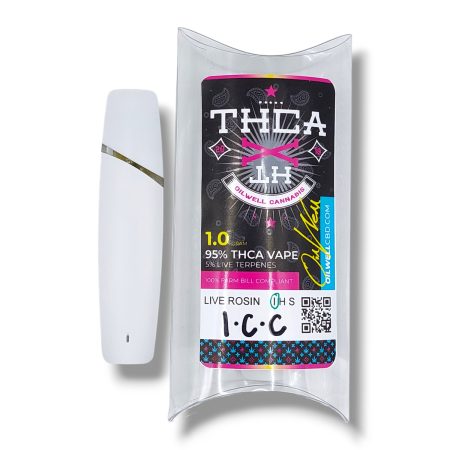
2. RSO Vape Cartridge – $49.99 CAD
- Format: 1-gram cartridge
- Total Cannabinoids: 900 mg+
- Cannabinoid Breakdown (Percentages):
- CBD: 30%
- CBG: 20%
- Delta-8 THC: 15%
- THCa: 10%
- CBN: 10%
- CBC: 10%
- Terpenes: 5%+
- Compatibility: 510-thread universal battery
- Onset: 1-2 minutes (fastest cannabinoid delivery method)
- Duration: 2-4 hours
- Bioavailability: 10-35% (variable, dependent on inhalation technique)
- Decarboxylation: Automatic THCa conversion at vaping temperature (400-450°F)
When to Use Each Format
| Use Case | Recommended Format | Rationale |
|---|---|---|
| Fast relief (acute pain, nausea, panic) | Vape | 1-2 minute onset |
| Sustained relief (chronic pain, sleep) | Sublingual | 4-6 hour duration |
| Maximum bioavailability | Sublingual | 13-19% absorption |
| Portability and discretion | Vape | Compact, no measuring required |
| Precise dosing control | Sublingual | Graduated dropper in 0.1 mL increments |
| Daytime non-psychoactive use | Sublingual (raw, no heat) | THCa stays inactive, zero impairment |
| Nighttime psychoactive use | Sublingual (decarbed) or Vape | Activated THCa + delta-8 THC |
Patient-Controlled Potency: The THCa Advantage
One of the most innovative aspects of OilWell’s RSO is the inclusion of THCa, which allows customers to control the potency of their product:
Option 1 – Raw, No Heat:
- All 1,500 mg of THCa remains in its acidic, non-psychoactive form.
- Benefits: Anti-inflammatory activity via COX-2 inhibition and neuroprotective potential via PPARγ agonism [12].
- Ideal for: Daytime use, work, driving, or situations where psychoactive impairment is not desired.
Option 2 – Fully Activated (Home Decarboxylation):
- Heating the oil at 260°F (125°C) for 45-60 minutes converts 1,500 mg of THCa into approximately 1,315 mg of delta-9 THC.
- Combined with the existing 90 mg of delta-9 THC, this yields approximately 1,405 mg of total delta-9 THC.
- Benefits: Full psychoactive potency comparable to traditional RSO.
- Ideal for: Nighttime use, pain relief, or when psychoactive effects are desired.
Option 3 – Vape (Auto-Decarboxylation):
- The vape cartridge vaporizes at 400-450°F, instantly converting THCa to delta-9 THC with each inhalation.
- Benefits: Fastest onset (1-2 minutes) and instant psychoactive effects.
- Ideal for: Acute symptom management (breakthrough pain, panic, nausea).
Conversion Chemistry:
- 1 mg THCa ≈ 0.877 mg delta-9 THC after decarboxylation (reflecting the loss of a CO₂ molecule).
This design puts the potency decision entirely in the customer’s hands, aligning with Rick Simpson’s principle that patients should control their own medicine.
Condition-Specific Usage Context for Canadians
Important Disclaimer: The following usage contexts are informed by cannabinoid research and OilWell’s formulation rationale. They are not medical prescriptions, not Health Canada-approved treatment protocols, and not a substitute for professional medical care. These products have not been evaluated by Health Canada and are not intended to diagnose, treat, cure, or prevent any disease. Always consult a qualified healthcare provider before using cannabinoid products, especially if you have a medical condition, are taking medications, are pregnant or nursing, or have any health concerns. Do not operate vehicles or machinery while under the influence of psychoactive cannabinoids.
Chemotherapy-Related Nausea and Appetite Support
Potential Use:
- Pre-chemo: 0.5 to 1.0 mL sublingual approximately 1 hour before treatment
- Acute breakthrough nausea: 2 to 3 vape puffs for immediate relief (1-2 minute onset)
- Post-chemo: 0.5 mL sublingual every 6 hours as needed
- Sleep support during treatment: 1.0 to 2.0 mL sublingual before bed (delivers 25 to 50 mg CBN)
Evidence Context:
- Delta-8 THC antiemetic evidence [9]
- Delta-9 THC nausea and vomiting evidence [1][13]
- CBD anxiolytic buffering [3]
Relevance for Canadians: Chemotherapy is a common treatment for cancer patients in Canada. Cannabinoids have been studied for their potential to alleviate chemotherapy-induced nausea and vomiting, which are significant side effects that can impact patients’ quality of life.
Chronic Pain (Fibromyalgia, Arthritis, Neuropathy)
Potential Use:
- Daytime: 0.3 to 0.5 mL raw sublingual—provides anti-inflammatory cannabinoid exposure without psychoactive impairment
- Nighttime: 0.5 to 1.0 mL decarboxylated sublingual—combines pain relief with CBN sleep support
- Breakthrough pain: Vape as needed for rapid onset
Evidence Context:
- CBD pain evidence [4]
- Delta-9 THC pain evidence [13]
- Beta-caryophyllene CB2 agonism [24]
- THCa COX-2 inhibition [12]
Relevance for Canadians: Chronic pain is a significant health issue in Canada, affecting approximately 20% of the population. Many Canadians with chronic pain are exploring alternative therapies, including cannabis, to manage their symptoms.
Sleep Support
Potential Use:
- Before bed: 1.0 to 2.0 mL sublingual
- At 2.0 mL: Delivers 50 mg CBN (dosage level investigated in sleep literature)
- At 1.0 mL: Delivers 25 mg CBN (above the 20 mg threshold associated with reduced sleep disturbance in published research)
Evidence Context:
- CBN sleep evidence [16][17]
- Cannabis and sleep review literature
Relevance for Canadians: Sleep disorders are common in Canada, with about 1 in 2 adults experiencing occasional insomnia. Many Canadians are turning to natural sleep aids, including cannabinoids, to improve their sleep quality.
Anxiety and Stress
Potential Use:
- Daytime functional relief: 0.3 mL raw sublingual—CBD and CBG address anxiety-related pathways without psychoactive impairment
- Nighttime: 1.0 mL sublingual—full cannabinoid profile including CBN for sleep architecture
Evidence Context:
- CBD anxiety evidence [3]
- CBG pharmacology [7][8]
- Limonene entourage-effect evidence [20]
Relevance for Canadians: Anxiety disorders are among the most common mental health conditions in Canada. Many Canadians are exploring alternative therapies, including cannabinoids, to manage anxiety symptoms.
General Titration Principle
Start low, go slow. Begin with 0.25 to 0.5 mL sublingual and assess effects over 2 to 3 hours before increasing. Individual responses vary based on body weight, metabolism, tolerance, concurrent medications, and other factors.
Legal Status of RSO in Canada
Federal Regulations
In Canada, cannabis is regulated under the Cannabis Act, which came into effect on October 17, 2018. Under this act:
- Recreational Use: Adults (19+ in most provinces, 18+ in Alberta and Quebec) can purchase and possess cannabis products from licensed retailers.
- Medical Use: Patients with a medical document from a healthcare practitioner can access cannabis for medical purposes through licensed producers or by growing their own.
- CBD Products: CBD products derived from cannabis (with more than 0.3% THC) are regulated under the Cannabis Act. Hemp-derived CBD products (with less than 0.3% THC) are regulated under the Food and Drugs Act.
OilWell’s RSO and Canadian Law
OilWell’s RSO products are manufactured in Houston, Texas, and are designed to comply with the 2018 U.S. Farm Bill, which legalized hemp and hemp-derived products containing less than 0.3% delta-9 THC by dry weight.
Key Points for Canadians:
- THC Content: OilWell’s RSO sublingual oil contains only 90 mg of delta-9 THC in the entire 30 mL bottle (3 mg per mL), well under the 0.3% threshold.
- THCa: The product contains 1,500 mg of THCa, which is the non-psychoactive precursor to THC. THCa can be converted to THC through decarboxylation (heating).
- Importation: Importing cannabis products into Canada is generally prohibited unless authorized by Health Canada. Canadians should be aware of the legal risks associated with importing cannabinoid products.
- Provincial Regulations: Cannabis laws can vary by province. Canadians should familiarize themselves with their provincial regulations regarding cannabis possession, use, and purchase.
Important Legal Notice: Customers are responsible for understanding and complying with their local laws regarding cannabinoid products. OilWell ships with full documentation, Certificates of Analysis, and receipts. International customers accept all customs and legal responsibility.
Safety and Quality Assurance
OilWell’s RSO is produced with a commitment to safety and quality:
- Solvent-Free Production: No naphtha, isopropyl alcohol, butane, or other extraction solvents are used in the finished product. The formula is a blend of individual cannabinoid distillates and isolates.
- Carrier Oil: Organic MCT oil (medium-chain triglycerides) is used as the carrier base, facilitating cannabinoid absorption and providing a neutral taste profile.
- Third-Party Lab Testing: Comprehensive testing covers:
- Cannabinoid potency (HPLC/UHPLC analysis)
- Terpene profile
- Pesticides (400+ compound screening via LC-MS/MS and GC-MS/MS)
- Heavy metals (ICP-MS testing for arsenic, cadmium, lead, mercury)
- Residual solvents (headspace GC, FDA Class 3 limits <5,000 ppm)
- Microbial contaminants (pathogen screening including E. coli, Salmonella, Aspergillus)
- Certificates of Analysis (COAs): Available on request and accessible through the OilWell website.
How OilWell’s RSO Compares to Alternatives Available in Canada
OilWell RSO vs. Canadian Dispensary RSO
| Dimension | Canadian Dispensary RSO | OilWell RSO |
|---|---|---|
| Cannabinoid Profile | Typically THC-dominant, single-strain | 7 cannabinoids: CBD, CBG, delta-8 THC, THCa, delta-9 THC, CBN, CBC |
| CBG Content | Usually 0 mg | 3,000 mg |
| CBN Content | Usually 0 mg | 750 mg |
| CBC Content | Usually 0 mg | 750 mg |
| Patient-Controlled Potency | No—usually fully psychoactive | Yes—THCa non-psychoactive until heated by customer |
| Access Requirements | Medical document or adult-use purchase | Age 21+ only, no medical document required |
| Delivery | Must visit physical dispensary | Ships nationwide and internationally (where legal) |
| Farm Bill Compliant | No—regulated under Cannabis Act | Yes—less than 0.3% delta-9 THC |
OilWell RSO vs. Canadian Hemp CBD Products
| Dimension | Canadian Hemp CBD Products | OilWell RSO |
|---|---|---|
| Total Cannabinoids | Typically 1,000-2,000 mg | 16,590 mg |
| CBD Content | Approximately 950-1,900 mg | 4,500 mg |
| CBG Content | Minimal (e.g., 15 mg) | 3,000 mg |
| CBN Content | Minimal (e.g., 1 mg) | 750 mg |
| Delta-8 THC | 0 mg | 6,000 mg |
| THCa (convertible to delta-9 THC) | Minimal | 1,500 mg (converts to ~1,315 mg delta-9 THC) |
| Psychoactive Option | No meaningful psychoactive effect | Yes—via THCa decarboxylation and delta-8 THC |
Accessing OilWell’s RSO in Canada
OilWell Cannabis is based in Houston, Texas, and offers several options for Canadians interested in their products:
International Shipping
OilWell ships internationally to countries where hemp-derived products with less than 0.3% delta-9 THC are permitted. Key points for Canadian customers:
- Documentation: All international packages include full documentation, Certificates of Analysis (COAs), and receipts for customs purposes.
- Shipping Costs: Minimum flat-fee shipping applies; excessive international shipping costs may be billed to the customer.
- Legal Responsibility: The customer is responsible for verifying legality in their jurisdiction and accepts all customs and legal risk.
- Contact: (832) 416-2816 or [email protected]
Important Note: Canadians should be aware that importing cannabis products, even those compliant with the U.S. Farm Bill, may violate Canadian law. It is essential to understand and comply with all applicable regulations.
Local Options for Canadians
For Canadians who prefer to access RSO products locally:
- Licensed Producers: Canada has a robust medical cannabis program with licensed producers who offer RSO and other cannabis extracts.
- Dispensaries: Adult-use cannabis dispensaries in provinces with legal recreational cannabis offer a variety of cannabis extracts.
- Health Canada Resources: Canadians can access information about medical cannabis through Health Canada’s Cannabis for Medical Purposes page.
The Open-Source Philosophy: Making RSO Accessible
OilWell is committed to making RSO accessible to everyone, regardless of financial means. This commitment is reflected in their open-source philosophy:
- Published Formulas: OilWell publishes their complete RSO formulas, including every cannabinoid and milligram amount, in this document and on their website.
- DIY Option: Canadians who cannot afford OilWell’s products can source the individual cannabinoid distillates and isolates and make their own version using the published formulas.
- Bentley’s Legacy: This open-source approach began with Bentley, Colin Valencia’s dog, whose life was saved by a homemade CBD golden paste. The recipe for that paste is published on OilWell’s About Us page, demonstrating that the open-source ethos is not just a marketing strategy but a foundational behavior of the company.
CBD Golden Paste Recipe (For Pets)
Ingredients:
- 1/2 cup organic turmeric powder
- 1 cup water
- 1/3 cup coconut oil (unrefined, organic)
- 1 to 2 teaspoons freshly ground black pepper (important for absorption)
- CBD oil (dosage depends on the size and needs of the pet; consult with a veterinarian)
Instructions:
- In a saucepan, combine the turmeric powder and water, stirring over low heat until it forms a thick paste (about 7-10 minutes). Add more water if it becomes too thick.
- Add the coconut oil and black pepper, stirring until thoroughly mixed.
- Allow the paste to cool, then transfer it to a jar with a lid. Store in the refrigerator for up to two weeks.
- Add CBD oil to the paste before giving it to the pet, adjusting the dosage based on their weight and health needs.
Serving Suggestion: Mix a small amount of the golden paste with the pet’s food once or twice a day. Monitor the pet for any changes and consult with a veterinarian if there are any concerns.
Why Choose OilWell’s RSO?
1. Evidence-Informed Formulation
OilWell’s RSO is formulated based on the latest cannabinoid research. Each cannabinoid and terpene is included for specific, evidence-supported reasons, as detailed in the scientific sections above.
2. Patient-Controlled Potency
The inclusion of THCa allows Canadians to choose between non-psychoactive use (raw) and psychoactive use (decarboxylated), providing flexibility for different needs and times of day.
3. Multi-Cannabinoid Synergy
With seven cannabinoids and seven terpenes, OilWell’s RSO leverages the potential entourage effect, where the combined action of multiple compounds may produce greater benefits than isolated cannabinoids.
4. Solvent-Free and Lab-Tested
OilWell’s RSO is produced without extraction solvents and undergoes comprehensive third-party lab testing to ensure safety, potency, and quality.
5. Open-Source Transparency
OilWell publishes their complete formulas, allowing Canadians to make informed decisions about their health and even create their own versions if they choose.
6. Community Commitment
OilWell’s commitment to community is evident in their actions, from the $35,000 COVID vaccine giveaway to their open-source philosophy. This commitment reflects a company that prioritizes people over profits.
7. Media Recognition
OilWell and its founder, Colin Valencia, have been featured in seven comprehensive news segments by ABC13 Houston, establishing the company as a trusted authority in the cannabis industry.
Frequently Asked Questions (FAQs)
Is OilWell’s RSO legal in Canada?
OilWell’s RSO is manufactured in the U.S. and complies with the 2018 U.S. Farm Bill (less than 0.3% delta-9 THC). However, importing cannabis products into Canada is generally prohibited unless authorized by Health Canada. Canadians should be aware of the legal risks associated with importing cannabinoid products and should comply with all applicable Canadian laws.
How does OilWell’s RSO compare to Canadian dispensary RSO?
OilWell’s RSO is a multi-cannabinoid formula with seven cannabinoids and seven terpenes, offering a broader spectrum of compounds than many Canadian dispensary RSOs, which are often THC-dominant. OilWell’s RSO also provides patient-controlled potency through THCa, allowing for non-psychoactive use.
Can I use OilWell’s RSO for cancer?
While cannabinoids have been studied for their potential anticancer effects in preclinical models, no cannabis product, including RSO, has been proven to cure cancer in humans. Canadians with cancer should consult their healthcare providers and explore all evidence-based treatment options. Cannabinoids may be used as a complementary therapy to help manage symptoms such as nausea, pain, and loss of appetite.
How do I decarboxylate OilWell’s RSO?
To decarboxylate the sublingual oil:
- Preheat your oven to 260°F (125°C).
- Transfer the desired amount of oil to an oven-safe glass container (e.g., a small glass jar).
- Place the container in the oven for 45-60 minutes.
- Allow the oil to cool before use.
Note: The vape cartridge automatically decarboxylates THCa at vaping temperature (400-450°F).
What is the difference between the sublingual oil and the vape cartridge?
- Sublingual Oil: Onset in 15-45 minutes, duration of 4-6 hours, precise dosing with a graduated dropper.
- Vape Cartridge: Onset in 1-2 minutes, duration of 2-4 hours, fastest relief for acute symptoms.
How should I store OilWell’s RSO?
Store OilWell’s RSO in a cool, dark place, away from direct sunlight and heat. The sublingual oil can be stored in the refrigerator for extended shelf life. Always keep cannabinoid products out of reach of children and pets.
Can I travel with OilWell’s RSO?
Traveling with cannabinoid products can be complex and risky, especially across international borders. Canadians should be aware that transporting cannabis products across the U.S.-Canada border is illegal, even if the products are legal in both countries. Always check local laws and regulations before traveling with cannabinoid products.
How do I know if OilWell’s RSO is right for me?
OilWell’s RSO may be a good option for Canadians exploring multi-cannabinoid therapies for conditions such as chronic pain, anxiety, sleep disorders, and chemotherapy-related symptoms. However, it is essential to consult with a healthcare provider before using cannabinoid products, especially if you have a medical condition or are taking medications.
What is the return policy for OilWell’s RSO?
For information on OilWell’s return policy, please visit their website or contact their customer service at (832) 416-2816 or [email protected].
Conclusion: The Future of RSO in Canada
Rick Simpson Oil has come a long way since its origins in Nova Scotia. From a homemade, unstandardized extract to modern, evidence-informed formulations like OilWell’s RSO, the evolution of RSO reflects the broader maturation of the cannabis industry.
For Canadians, RSO represents an opportunity to explore the potential benefits of multi-cannabinoid therapy. Whether used for chronic pain, anxiety, sleep disorders, or chemotherapy-related symptoms, RSO offers a concentrated, full-spectrum option that can be tailored to individual needs.
OilWell’s RSO stands out for its:
- Evidence-informed formulation based on the latest cannabinoid research
- Patient-controlled potency through THCa, allowing for non-psychoactive or psychoactive use
- Multi-cannabinoid synergy with seven cannabinoids and seven terpenes
- Solvent-free production and comprehensive lab testing
- Open-source transparency with published formulas
- Commitment to community and accessibility
As the cannabis industry continues to evolve in Canada, products like OilWell’s RSO offer Canadians more choices for exploring the potential benefits of cannabinoids. However, it is crucial to approach these products with an evidence-based mindset, consulting healthcare providers and staying informed about the latest research.
Remember: Cannabinoids are not a substitute for professional medical care. Always consult a qualified healthcare provider before using cannabinoid products, and never replace proven medical treatments with alternative therapies.
For more information about OilWell’s RSO and other products, visit OilWell’s website or contact their team at (832) 416-2816 or [email protected].
THCa Rick Simpson Oil
Full-Spectrum • In-House Extraction
THE OILWELL PASSION PROJECT: THCa RSO
Experience true full-spectrum relief. Our Rick Simpson Oil is meticulously crafted in-house to preserve the complete cannabinoid and terpene profile of the plant. Potent, pure, and profound.
- 🌿 Maximum Potency
- 🔬 Third-Party Lab Tested
- 🚀 Same-Day Delivery Available