中国的大麻Rick Simpson油(RSO)完全指南:OilWell Cannabis出品
多年来,全中国的民众都在寻找关于Rick Simpson油的答案——它是什么、是否有效、以及如何合法获取。我们为您制作了这份指南。无论您身处上海、北京、广州还是偏远省份,无论您是探索治疗选择的癌症患者、管理创伤后应激障碍的退伍军人,还是仅仅希望获得关于大麻医学的诚实信息,这份指南都适合您。我们将涵盖一切内容:RSO的历史、科学证据、我们的配方有何不同,以及您如何在中国合法、安全、透明地获取这些产品。
我们是OilWell Cannabis,一家总部在休斯顿的公司,秉持一个简单原则:向人们提供最接近真相的信息,让他们为自己做出正确决定。我们的创始人Colin Valencia在美国最危险的边境地区之一——德克萨斯州麦卡伦长大,从小就明白传统体系往往辜负最需要帮助的人。在经历了充满暴力和失去的童年——包括朋友被杀或入狱——之后,Colin本可能走上更黑暗的道路。但他选择了大麻。他深入了解这种植物,不是作为娱乐性物质,而是作为药物。后来,作为贝勒医学院的定制开发软件工程师,他获得了如今定义我们方法的精确技术。这种深度植物知识加上医用级配方科学的结合,使OilWell与众不同。
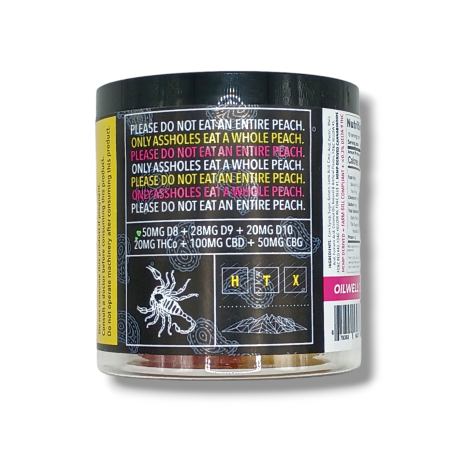
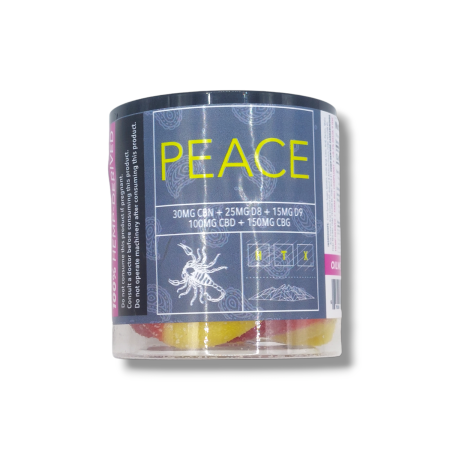
我们的旅程始于一只名叫Bentley的狗。当兽医告诉Colin Bentley瘫痪了、应该安乐死时,他拒绝了。他开发出一种CBD黄金膏,让Bentley重新站起来行走。那个救了Bentley生命的配方——我们将其免费发布在我们的网站上,因此任何面临类似危机的宠物主人都可以自己制作。这种开源理念成为我们立足的基础。当Colin后来与创伤后应激障碍和苯二氮卓类药物成瘾作斗争时,他运用同样的麻素知识成功戒断了Xanax。他在与戒断反应抗争的午夜实验中开发的Peace Gummies,现已成为我们最受欢迎的产品之一。
过去四年间,我们七次被ABC13 Houston——美国第四大城市的新闻源——报道,涵盖从Delta-8合法性到COVID社区健康计划的各个方面。2021年德克萨斯州一夜之间禁止Delta-8时,我们在执法前主动下架所有产品,并警告其他 unknowingly 运输一级管制麻醉品的运营商。2022年拜登总统宣布大麻赦免时,ABC13找到我们,因为Colin本人有大麻定罪历史。我们不回避过去。我们用它来建立信任。
这就是我们的故事。现在,让我们谈谈RSO。
了解Rick Simpson油:中国需要知道什么
Rick Simpson是谁?
Rick Simpson出生于1949年,加拿大新斯科舍省阿默斯特。他不是医生、科学家或医疗专业人士。他是一名动力工程师和维修工——一位蓝领技工,他进入大麻倡导领域的道路始于个人苦难。1997年,他在新不伦瑞克省蒙克顿的一家医院工作时,从脚手架上摔下,头部严重受伤。后遗症包括持续性耳鸣、头晕和脑震荡后症状,传统医学无法解决。医生开的药物要么无效,要么让状况更糟。大麻比他医生提供的任何治疗都更有效缓解症状,但当他要求医生考虑使用时,请求被拒绝。
Simpson对浓缩大麻油兴趣加深,是在了解到1974年一项由NIH资助的弗吉尼亚医学院研究后,该研究报告称THC可以减缓或缩小小鼠肿瘤。这项原本旨在证明危害的研究——成为Simpson的基础参考,尽管其发现从未在对照人体癌症试验中得到重复。
关键时刻出现在2003年。Simpson报告说他手臂上的三个肿块被诊断为基底细胞癌。他没有选择传统治疗,而是将浓缩大麻油直接涂抹在病变处,用绷带覆盖并等待。根据他的说法,肿块在四天内消失了。重要背景: 没有任何独立医学验证证实这一结果。没有任何同行评审来源发表过活检确认或临床随访。这是个人证词,不是医学证据。然而,它成为Rick Simpson油的起源故事,并催生了全球运动。
十字军东征:传播油膏
2003年的经历之后,Simpson致力于在新斯科舍省Maccan的自家地产上生产和分发浓缩大麻油。他免费提供给癌症患者和社区中的其他人。他不收取任何费用。据他自己说,他帮助了数十名患有癌症、慢性疼痛、糖尿病、感染、青光眼、关节炎、抑郁、失眠等疾病的患者。
他的故事通过2005年Christian Laurette执导的纪录片《逃离治愈》传播到全球观众。影片记录了Simpson的说法,展示了证词,并将其工作描述为对制药利益的草根挑战。该片免费在线分发,成为全球大麻社区的基础——对许多人来说,这是他们首次接触浓缩大麻油作为药物。
Simpson的倡导使他直接违反加拿大法律。加拿大皇家骑警于2005年和2009年突袭了他的财产。他被指控种植、持有和贩卖。面对持续的法律压力,Simpson最终离开加拿大前往欧洲,先后居住在克罗地亚和荷兰,继续在海外进行倡导工作。
2012年,他出版了《凤凰眼泪:Rick Simpson的故事》,详细描述了他的经历、制油过程以及哲学观点。他将phoenixtears.ca作为其主要平台。在他的公共生涯中,Simpson始终坚持大麻油——特别是按他的方法制作的高THC油——可以治愈癌症和许多其他疾病。他声称制药公司、政府机构医疗机构正在积极压制这一知识。
重要背景: Simpson的阴谋论框架反映了早期大麻运动中许多人共有的世界观。这对于理解RSO的文化意义是相关的,但并不能验证其医学主张。
传统RSO到底是什么
传统RSO由Simpson的方法定义,而非实验室规格。这意味着:
原料: 高THC、印度大麻为主的大麻品种。没有标准化——起始材料因可获得性和生长季节而异。
提取溶剂: 石脑油(石油基打火机油)或99%异丙醇。两者都不是食品级的。石脑油可能含有苯、甲苯和其他有毒化合物。溶剂去除不完全会留下潜在有害残留物。
提取工艺: 将大麻放入桶中,用溶剂覆盖,搅拌、过滤,然后在电饭煲中高温蒸发溶剂,温度足以将THCa脱羧为THC并破坏大部分萜烯。
外观: 近乎黑色、浓稠、焦油状的油,具有强烈的大麻味和可能的溶剂残留气味。
大麻素谱: 完全脱羧,THC为主(估计60-90% THC),次要大麻素处于天然、未控制的比例。无实验室验证。
萜烯含量: 极少至无——被溶剂和热量破坏。
标准化: 无。每批产品因植物材料、生长条件、提取技术和制作者技能而异。
残留溶剂风险: 重大。石脑油含致癌物。没有分析测试,无法验证纯度。
Simpson的60克方案:中国应该知道什么
Simpson的核心建议是在大约90天内消耗60克油。细分如下:
- 第1周: 米粒大小的剂量(10-15mg),每日三次(总计30-45mg/天)
- 第2-5周: 每四天剂量翻倍,到第5周达到每日1克(1,000mg)
- 第5-12周: 维持每日1克,分三次服用
- 给药方式: 主要为口服(舌下或吞服)。皮肤病变外用。不推荐作为主要治疗方式通过吸入。
- 耐受性: Simpson声称患者在3-4周内会对精神活性作用产生耐受。
- 方案后: 每月1-2克的维持剂量,无限期使用。
评估此方案的重要背景:
- 无对照试验验证。 没有任何已发表的随机对照试验、队列研究或记录完整的病例系列评估此特定方案对任何病症的效果。
- 粗糙、未标准化的材料。 60克的数量假设的是效力不一的提取物。实际THC含量差异巨大。
- 极高的THC暴露量。 在峰值剂量(每日1克60-90% THC油)时,患者每日摄入600-900mg的delta-9 THC——远超任何临床研究。作为对比,FDA批准的屈大麻酚通常剂量为每日2.5-20mg。
- 真实风险。 每日摄入600-900mg THC伴随严重风险:严重中毒、损伤、焦虑、恐慌、心动过速、低血压和大麻使用障碍。
- 肿瘤学复杂性。 癌症患者医疗情况复杂。使用未监管、未标准化的油作为主要治疗——可能替代已证实的疗法——会带来油本身之外的额外伤害。
Simpson的声称与证据记录
Simpson声称RSO可以治愈癌症并治疗糖尿病、慢性疼痛、感染、青光眼、关节炎、抑郁、失眠等疾病。让我们根据实际证据评估这些说法:
Simpson不是什么: 他没有正式的医学、科学或药理学培训。他从未进行或发表过临床试验。他的证据基础由个人经验和证词组成,没有对照、验证、影像确认或长期随访。
临床前文献显示什么: 体外研究表明THC和CBD可在某些癌细胞系中诱导凋亡、抑制增殖、减少血管生成。动物模型显示一些肿瘤生长抑制。这在科学上有趣,但不能证明治愈人类癌症。
临床前文献未显示什么: 这些发现未转化为已证实的人类癌症治愈。体外/动物结果与人类结果之间的差距巨大。没有人类临床试验证明RSO或任何大麻油能治愈癌症。
机构立场:
- 美国国家癌症研究所(NCI): 承认大麻素在实验室和动物中研究了潜在的抗癌效果,但不认可大麻或大麻油作为癌症治疗。
- 美国FDA: 未批准任何大麻植物产品用于癌症治疗。仅批准Epidiolex(CBD)用于某些癫痫,以及合成THC类似物用于化疗恶心/艾滋病消耗综合征。
- 加拿大卫生部: 从未批准RSO或大麻油作为癌症治愈方法。
- NCCIH: 最强证据针对罕见癫痫、化疗恶心/呕吐和HIV/AIDS食欲——而非癌症治愈。
Simpson做对的地方: 在世界忽视大麻素时,他将其作为严肃的生物医学研究引起关注。他的倡导为合法大麻产业创造了条件。”RSO”一词仍然是全谱大麻油提取物最知名的名称。
他夸大之处: 从临床前信号到癌症治愈的跳跃从未得到支持。鼓励患者——尤其是癌症患者——将RSO作为主要治疗替代已证实的肿瘤疗法,会带来真正的伤害风险。延迟或放弃可治疗癌症的治疗是已记录的问题。
为什么OilWell的配方偏离传统RSO
我们的目标不是复制Rick Simpson的油。我们的目标是解决其问题,同时尊重其精神。以下是我们五个刻意的偏离点:
1. 多大麻素方案
传统RSO使用任何单一可获得品种。我们的配方包含七种大麻素——CBD、CBG、delta-8 THC、THCa、delta-9 THC、CBN和CBC——因为随行效应文献表明多样性可能带来益处,尽管对整个配方协同作用的强有力临床证据仍然有限。
2. 萜烯保留与添加
传统RSO由于溶剂和热量破坏,基本上不含萜烯。我们包含5%的活体萜烯,具特定的七种萜烯谱:柠檬烯、月桂烯、石竹烯、蒎烯、芳樟醇、蛇麻烯和松油烯。每种都有自己的证据基础,随行效应文献为保留萜烯的重要性提供了理论框架。
3. THCa作为独立成分
传统RSO通过热量将所有物质完全脱羧。我们的舌下配方包含1,500mg作为独立成分的THCa,保留酸性前体,因为THCa文献表明相关的非精神活性生物活性在转化过程中会丢失。
4. 降低Delta-9 THC的主导性
传统RSO含60-90% delta-9 THC。我们的舌下配方仅使用90mg delta-9 THC(3mg/mL),同时将剩余的16,500mg分配给其他大麻素——反映了更广泛的研究而非单一化合物主导。
5. 产品形式创新
Simpson只设想一种形式:注射器装的口服油。我们提供30mL舌下油和1克雾化烟弹两种形式,每种都有特定配方,承认不同的药代动力学特性。
脱羧选择:患者可控的效力
传统RSO总是具有精神活性——热量将所有THCa转化为THC。我们的舌下配方含有1,500mg酸性、非精神活性形式的THCa,创造了三种不同的使用选择:
选择1:生用,不加热
所有1,500mg保持为THCa——完全无精神活性。THCa证据表明可能通过COX-2抑制发挥抗炎活性,以及通过PPARγ激动作用发挥神经保护潜力。此选择适用于工作、驾驶和日间使用,零损伤。
选择2:完全激活,家庭脱羧
将油在260°F(125°C)下加热45-60分钟,使用耐热玻璃容器。这会将1,500mg THCa转化为约1,315mg delta-9 THC。与现有的90mg delta-9 THC结合,总共获得约1,405mg delta-9 THC。与6,000mg delta-8 THC结合,激活后的产品达到与传统非法RSO相当的精神效力——100%合法,因为脱羧是在购买后由您自行决定进行的。
选择3:雾化,自动脱羧
我们的RSO雾化烟弹在400-450°F下雾化,每次吸入时瞬间将THCa转化为delta-9 THC。每一口都提供新鲜脱羧的大麻素——最快起效方式。
转化化学: THCa分子量为358.47 g/mol。转化比例约为1mg THCa = 0.877mg delta-9 THC脱羧后,反映失去一个CO₂分子。
此设计将效力控制完全交在您手中——与Simpson的原则一致,即患者应该控制自己的药物,但通过实际化学而非空谈来实现。
无溶剂生产:为什么重要
传统RSO使用石脑油或异丙醇——两者都不是食品级。石脑油含苯、甲苯和其他致癌物。去除不完全会留下有害残留物。
我们的RSO不是提取产品。它是特定比例混合的独立大麻素馏分和分离物,在受控环境中组合。无石脑油。无异丙醇。无丁烷。无提取溶剂。
我们使用有机MCT油作为载体基质——食品级,促进舌下吸收,味道中性。这是相比传统RSO焦油状质地和溶剂残留气味的巨大改进。
每批产品都经过第三方实验室测试:
- 大麻素效力
- 萜烯谱
- 农药(400+种化合物)
- 重金属(砷、镉、铅、汞)
- 残留溶剂(FDA三类限值)
- 微生物污染物
分析证书可应要求通过我们的网站获取。
OilWell RSO配方:完全透明
RSO舌下油 – $129.99
完整配方:
- CBD: 4,500mg
- CBG: 3,000mg
- Delta-8 THC: 6,000mg
- THCa: 1,500mg
- Delta-9 THC: 90mg
- CBN: 750mg
- CBC: 750mg
- 总大麻素: 16,590mg(553mg/mL)
规格:
- 活体萜烯:5%
- 形式:30mL瓶,带刻度滴管(0.1mL增量)
- 起效:15-45分钟(舌下)
- 峰值效果:1-2小时
- 持续时间:4-6小时
- 生物利用度:13-19%
- 每瓶约40-60剂
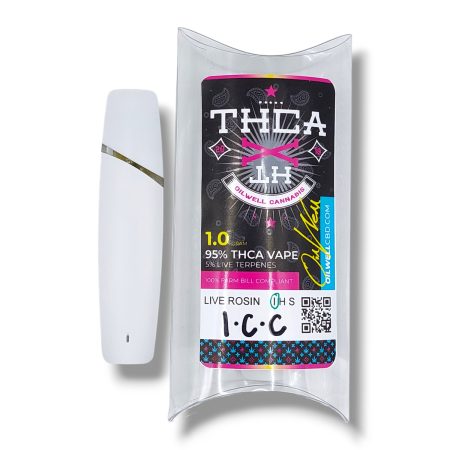
RSO雾化烟弹 – $49.99
完整配方(按百分比):
- CBD: 30%
- CBG: 20%
- Delta-8 THC: 15%
- THCa: 10%
- CBN: 10%
- CBC: 10%
- 活体萜烯: 5%+
规格:
- 形式:1克510螺纹烟弹
- 起效:1-2分钟(最快递送)
- 峰值效果:10-15分钟
- 持续时间:2-4小时
- 生物利用度:10-35%
- 雾化温度自动将THCa脱羧
萜烯谱(两种产品)
我们包含七种活体萜烯,各占5%:
- 柠檬烯: 柑橘明亮,情绪支持
- 月桂烯: 放松,草本气息
- 石竹烯: 胡椒/香料,CB2激动剂用于炎症
- 蒎烯: 森林清新,清晰度
- 芳樟醇: 花香/薰衣草,镇静
- 蛇麻烯: 泥土/木质,抗炎
- 松油烯: 松果/果香,复杂性
何时使用每种形式
| 使用场景 | 推荐形式 | 原因 |
|---|---|---|
| 快速缓解(急性疼痛、恶心、恐慌) | 雾化 | 1-2分钟起效 |
| 持续缓解(慢性疼痛、睡眠) | 舌下 | 4-6小时持续时间 |
| 最大生物利用度 | 舌下 | 13-19%吸收率 |
| 便携性/隐蔽性 | 雾化 | 紧凑,无需测量 |
| 精确剂量 | 舌下 | 滴管0.1mL增量 |
| 日间非精神活性 | 舌下(生用) | THCa保持非活性 |
| 夜间精神活性 | 舌下(脱羧)或雾化 | 激活的THCa + delta-8 THC |
特定病症使用背景(中国)
关键免责声明: 这些背景基于我们常识部分引用的大麻素研究。它们不是医疗处方,未经FDA批准,也不能替代专业医疗护理。使用大麻素产品前,尤其是有医疗状况、用药、怀孕或健康问题时,请始终咨询合格医疗提供者。不要在精神活性大麻素影响下驾驶车辆或操作机械。
化疗相关恶心和食欲支持
- 化疗前: 治疗前约1小时0.5-1.0mL舌下
- 急性突破性恶心: 2-3次雾化吸入(1-2分钟起效)
- 化疗后: 每6小时按需0.5mL舌下
- 睡眠支持: 睡前1.0-2.0mL舌下(提供25-50mg CBN)
慢性疼痛(关节炎、神经痛、纤维肌痛)
- 日间: 0.3-0.5mL生用舌下——抗炎无损伤
- 夜间: 0.5-1.0mL脱羧舌下——止痛 + CBN睡眠支持
- 突破性疼痛: 按需雾化快速起效
睡眠障碍
- 睡前: 1.0-2.0mL舌下
- 2.0mL时,您获得50mg CBN——2024年睡眠文献研究的剂量
- 1.0mL时,您获得25mg CBN——超过20mg的与减少睡眠干扰相关的阈值
焦虑和压力
- 日间功能性缓解: 0.3mL生用舌下——CBD和CBG解决焦虑无精神损伤
- 夜间: 1.0mL舌下——包括CBN的完整谱系用于睡眠结构
通用滴定原则: 从低开始,缓慢增加。从0.25-0.5mL舌下开始,在增加前评估效果2-3小时。个体反应因体重、代谢、耐受性、药物和其他因素而异。
农业法案合规与中国获取
2018年农业法案在美国联邦层面将含低于0.3% delta-9 THC的大麻衍生产品合法化。我们的RSO舌下油整瓶仅含90mg delta-9 THC——3mg/mL——远低于阈值。所有大麻素均来自大麻。
对中国客户: 这一法律框架使国际运输成为可能。因为我们的产品在销售点含低于0.3% delta-9 THC,符合美国法律下大麻产品的定义,可运往具有兼容大麻法律的司法管辖区。
重要法律声明: THCa加热后会转化为delta-9 THC。您有责任了解并遵守中国关于大麻素产品的法律。我们随货提供完整文件、分析证书和收据。国际客户承担所有海关和法律责任。
向中国交付:如何运作
我们向全国范围的美国和经核实的国际司法管辖区发货。对于我们在中国的客户:
国际运输流程:
- 所有包裹包括完整文件、COA和海关收据
- 我们使用无大麻品牌标识的隐蔽包装
- 所有订单提供追踪
- 夏季货物使用温度稳定包装
- 提供要求签名的选项
- 适用最低统一运费;过高国际费用向客户收取
- 联系方式: (832) 416-2816 或 [email protected]
国际获取的意义不容高估。Rick Simpson无法合法将他的油运往任何地方——它是一级管制物,生产、持有或运输均属非法。今天,上海的癌症患者、成都的慢性疼痛患者或北京的退伍军人可以获得与休斯顿居民同日送达相同的临床级多大麻素RSO配方。我们打造了一款可以合法跨境移动的产品——完成了Rick Simpson愿景中因禁令而未能实现的一环。
我们的媒体认可:独立验证
2019年9月至2023年4月期间,ABC13 Houston在七个新闻节目中介绍了OilWell Cannabis。五位不同记者跨商业、法律、医学、社区健康和政治领域找到我们。没有其他休斯顿大麻运营商达到此频率或广度。
关键报道:
- 2019年9月: CBD业务繁荣——我们关于不卖蛇油的基础性引述首次出现于此
- 2021年3月: 非刑事化努力——Colin的”痛苦有多种形式”引述
- 2021年5月: Delta-8 THC调查——标志性的”Maybe you want to get high”交流
- 2021年8月: COVID疫苗赠送——捐赠35,000美元产品鼓励疫苗接种
- 2021年10月: Delta-8禁令——Colin主动下架产品并警告他人
- 2022年10月: 拜登大麻赦免——揭示了Colin个人大麻定罪历史
- 2023年4月: 德克萨斯州大麻法律——行业演变的”文艺复兴”框架
这些报道无法购买。它们是来自主要市场ABC附属机构的独立编辑内容,反复将Colin认定为休斯顿最可信的大麻权威。对于中国客户,这一主流媒体验证建立了超越地理的可信度。
我们的配方科学:常识
证据等级
我们按此顺序优先考虑来源:人体临床证据 → 系统综述 → 机构摘要 → 临床前文献。这很重要,因为证据基础不均衡。CBD和delta-9 THC拥有最强的人体数据;delta-8 THC、THCa、CBG、CBN、CBC和大多数萜烯更依赖综述、动物研究和体外药理学。
NIH机构基线
最坚实的大麻素证据针对:
- 某些罕见癫痫(CBD)
- 化疗相关恶心/呕吐(THC)
- HIV/AIDS食欲/体重减轻(THC)
FDA没有批准大麻植物本身用于医疗用途。安全问题包括损伤、机动车事故风险、大麻使用障碍、怀孕问题、污染和标签准确性。
大麻素谱
CBD: 我们配方中最强的人体证据。纯化CBD在癫痫障碍中有可信证据。焦虑研究显示有前景但临床样本有限。疼痛文献异质性强。睡眠研究方法论薄弱。安全问题包括肝酶升高和药物相互作用。
CBG: 主要是综述水平和临床前。人体证据稀少。在神经障碍、炎症性肠病和抗菌活性方面机制上有趣,但尽管证据基础薄弱仍在商业销售。
Delta-8 THC: 药理学相关且具有精神活性,但临床特征描述不如delta-9。部分CB1激动剂,效力较低。证据基础以动物研究和公共卫生问题为主。制造质量问题重大。
THCa: THC的酸性前体。本身无精神活性,但加热后易转化。体外和啮齿类文献提示抗炎和神经保护可能性,但未建立确定的人类结果。
Delta-9 THC: 精神活性大麻素中人体证据最强,但不良反应负担也最明确。与化疗恶心、HIV食欲、某些疼痛和多发性硬化症状相关。高剂量伴随中毒、精神和安全责任。
CBN: 人体证据薄弱。市场推广用于睡眠,但无使用验证性睡眠问卷或多导睡眠图的临床试验。声誉强于数据。
CBC: 新兴、有趣、压倒性地处于临床前阶段。与其他大麻素不同的药效动力学。抗伤害、抗菌、抗癫痫可能性,但非处方产品销售时未建立功效或安全性。
萜烯谱
萜烯主张需要比大麻素更严格的解读。许多文献来自分离化合物、精油、非大麻植物或临床前模型。人类中有临床意义的随行效应的强有力证据仍然有限。
柠檬烯: 多功能单萜,综述文献中描述抗氧化、抗炎、心脏保护特性,但主要非人体/非大麻。氧化产物是接触性过敏原。
月桂烯: 描述具有抗焦虑、抗氧化、抗炎、镇痛特性,但缺乏人体研究。关于镇静和沙发锁的主张超出当前证据。
石竹烯: 选择性CB2受体激动剂——不寻常且药理学相关。抗炎、免疫调节、神经保护、胃保护。萜烯中具备大麻素系统意义的最强候选者。
蒎烯: 抗氧化、抗炎、神经保护信号值得未来研究,但缺乏设计良好的临床试验。记忆和注意力主张仍是假设。
芳樟醇: 讨论用于压力、情绪、脑部健康。临床前信号值得研究,但缺乏强有力的人体试验。氧化芳樟醇是公认的过敏原。
蛇麻烯: 报告有CB1和腺苷A2a通路相互作用。广泛的临床前证据显示抗炎效果,但尚未临床确立。
松油烯: 临床特征描述最少。证据基础主要由计算机模拟、体外和动物研究主导。生物学上有趣但尤其不发达。
研究局限与常见夸大
- 证据基础高度不均衡。提取物/分子/合成/萜烯数据不可互换。
- 次要大麻素/萜烯因探索不足而具有商业吸引力,但主张常被夸大。
- 产品质量与分子身份同等重要:标签不准确、污染、合成副产物、剂量差异都会影响真实结果。
- 对于THCa,化学是宿命:储存和加热可将酸性大麻素转化为中性形式如THC。
应避免的夸大说法:
- CBN不是临床证实的助眠剂
- 月桂烯不是证实的人体镇静剂
- 萜烯未在患者中证实有随行效应
- THCa不是总是非精神活性的(加热会转化)
- Delta-8 THC不是因为来自大麻就安全
中国的底线
您应得诚实信息,而非炒作。您应得经过实验室测试、配方透明、合法获取的产品。您应得对自身药物的控制权——无论这意味着使用我们的生用THCa配方在日间功能无损伤,脱羧获得完全精神效力,还是雾化获取即时缓解。
我们的配方含16,590mg总大麻素,跨越七种化合物——最全面的RSO配方。我们公布每一毫克,因为我们相信您有权知道。如果您买不起我们的产品,您拥有我们的配方可自行制作。这不是营销——这是我们的创始原则。
从Bentley的故事到Colin的个人定罪历史再到我们的七次ABC13报道,我们所做的一切都记录在案且可验证。我们不躲在模糊主张背后。我们向您展示科学、数字、流程和背后的人。
对于应对复杂医疗决策的中国客户——无论是癌症支持、慢性疼痛、创伤后应激障碍还是失眠——我们提供罕见之物:一款植根于同情心和临床精确度的产品,合法运输并附完整文件,由证明我们可信度的媒体报道背书,并以竞争对手无法匹敌的透明度水平配方。
这就是OilWell Cannabis。这就是RSO从一开始就应该成为的样子。而现在,它在中国为您所用。
OilWell Cannabis
810 Richmond Avenue, Houston, TX 77006
电话:(832) 416-2816
邮箱:[email protected]
网站:https://oilwellcbd.com/
营业时间:
周一至周四:上午10:00 – 下午7:00
周五至周六:上午10:00 – 下午10:00
周日:上午10:00 – 下午4:00
关注我们:
Instagram: @oilwellcbd
所有产品含低于0.3% delta-9 THC,符合农业法案。购买需21岁以上。这些声明未经FDA评估。这些产品不用于诊断、治疗、治愈或预防任何疾病。个体结果可能不同。使用前咨询医疗提供者。不要在影响下驾驶车辆或操作机械。买家承担使用和脱羧决定的所有法律责任。禁止地区无效。
ENGLISH
Rick Simpson Oil (RSO) in China: The Complete Guide by OilWell Cannabis
For years, people across China have searched for answers about Rick Simpson Oil—what it is, whether it works, and how to access it legally. We’ve built this guide for you. Whether you’re in Shanghai, Beijing, Guangzhou, or a remote province, whether you’re a cancer patient exploring options, a veteran managing PTSD, or simply someone who wants honest information about cannabis medicine, this is for you. We’ll walk through everything: the history of RSO, what the science actually says, how our formulas are different, and exactly how you can access them in China—legally, safely, and transparently.
We are OilWell Cannabis, a Houston-based company founded on one simple principle: give people the best possible version of the truth so they can decide what’s right for them. Our founder, Colin Valencia, grew up in one of America’s most dangerous border regions, McAllen, Texas, where he learned early that conventional systems often fail the people who need them most. After a childhood marked by violence and loss—including friends killed or imprisoned—Colin could have taken darker paths. Instead, he chose cannabis. He learned the plant intimately, not as a recreational substance, but as medicine. Later, as a software engineer doing custom development for Baylor College of Medicine, he gained the technical precision that now defines our approach. This combination—deep plant knowledge plus medical-grade formulation science—is what makes OilWell different.
Our journey began with a dog named Bentley. When veterinarians told Colin that Bentley was paralyzed and should be euthanized, he refused. He developed a CBD golden paste that got Bentley up and walking again. That formula—the one that saved Bentley’s life—we published for free on our website, so any pet owner facing a similar crisis can make it themselves. That open-source ethos became our foundation. When Colin later struggled with PTSD and benzodiazepine addiction, he used the same cannabinoid knowledge to quit Xanax cold turkey. The Peace Gummies he developed during midnight experiments while fighting withdrawal are now one of our most popular products.
We’ve been featured seven times by ABC13 Houston—America’s fourth-largest city’s top news source—across four years, covering everything from Delta-8 legality to COVID community health initiatives. When Texas banned Delta-8 overnight in 2021, we proactively removed all products before enforcement and warned other operators who were unknowingly shipping Schedule I narcotics. When President Biden announced marijuana pardons in 2022, ABC13 came to us because Colin himself has a personal marijuana conviction history. We don’t hide from our past. We use it to build trust.
This is who we are. Now, let’s talk about RSO.
Understanding Rick Simpson Oil: What China Needs to Know
Who Was Rick Simpson?
Rick Simpson was born in 1949 in Amherst, Nova Scotia, Canada. He was not a doctor, scientist, or medical professional. He was a power engineer and maintenance worker—a blue-collar tradesman whose path into cannabis advocacy began with personal suffering. In 1997, while working at a hospital in Moncton, New Brunswick, Simpson fell from scaffolding and suffered a serious head injury. The aftermath included persistent tinnitus, dizziness, and post-concussion symptoms that conventional medicine couldn’t resolve. The medications he was prescribed either failed to help or made his condition worse. Cannabis provided more relief than anything his doctors offered, but when he asked his physician to consider it, the request was refused.
Simpson’s interest in concentrated cannabis oil deepened after learning about a 1974 NIH-funded study at the Medical College of Virginia, where THC was reported to slow or shrink tumors in mice. That study—originally intended to demonstrate harm—became a foundational reference for Simpson, even though its findings were never replicated in controlled human cancer trials.
The pivotal moment came in 2003. Simpson reported that three bumps on his arm were diagnosed as basal cell carcinoma. Rather than pursuing conventional treatment, he applied concentrated cannabis oil directly to the lesions, covered them with bandages, and waited. According to his account, the bumps disappeared within four days. Important context: No independent medical verification of this outcome has been published. No biopsy confirmation or clinical follow-up exists in any peer-reviewed source. This was personal testimony, not medical evidence. Yet it became the origin story of Rick Simpson Oil and the catalyst for a global movement.
The Crusade: Spreading the Oil
After his 2003 experience, Simpson committed himself to producing and distributing concentrated cannabis oil from his property in Maccan, Nova Scotia. He gave it away for free to cancer patients and others in his community. He charged nothing. By his own account, he helped dozens of people with conditions including cancer, chronic pain, diabetes, infections, glaucoma, arthritis, depression, insomnia, and more.
His story reached a global audience through the 2005 documentary Run From The Cure, directed by Christian Laurette. The film documented Simpson’s claims, showed testimonials, and framed his work as a grassroots challenge to pharmaceutical interests. It was distributed freely online and became foundational in cannabis communities worldwide—for many, it was their first introduction to concentrated cannabis oil as medicine.
Simpson’s advocacy brought him into direct conflict with Canadian law. The Royal Canadian Mounted Police raided his property in 2005 and 2009. He was charged with cultivation, possession, and trafficking. Facing continued legal pressure, Simpson eventually left Canada for Europe, living in Croatia and later the Netherlands, where he continued his advocacy from abroad.
In 2012, he published Phoenix Tears: The Rick Simpson Story, detailing his experience, oil-making process, and philosophical views. He maintained phoenixtears.ca as his primary platform. Throughout his public career, Simpson maintained that cannabis oil—particularly high-THC oil made by his method—could cure cancer and many other diseases. He claimed pharmaceutical companies, government agencies, and medical institutions were actively suppressing this knowledge.
Important context: Simpson’s conspiratorial framing reflects a worldview shared by many in the early cannabis movement. It’s relevant for understanding RSO’s cultural significance, but it doesn’t validate his medical claims.
What Traditional RSO Actually Was
Traditional RSO was defined by Simpson’s method, not lab specifications. Here’s what that meant:
Source Material: High-THC, indica-dominant cannabis strains. No standardization—starting material varied by availability and growing season.
Extraction Solvent: Naphtha (petroleum-based lighter fluid) or 99% isopropyl alcohol. Neither is food-grade. Naphtha may contain benzene, toluene, and other toxic compounds. Incomplete solvent purging leaves potentially harmful residues.
Extraction Process: The cannabis was placed in a bucket, covered with solvent, agitated, filtered, and the solvent was evaporated in a rice cooker at temperatures high enough to decarboxylate THCa into THC and destroy most terpenes.
Appearance: Nearly black, thick, tar-like oil with a strong cannabis and possible solvent-residual odor.
Cannabinoid Profile: Fully decarboxylated, THC-dominant (estimated 60-90% THC), with minor cannabinoids at natural, uncontrolled ratios. No lab verification.
Terpene Content: Minimal to none—destroyed by solvent and heat.
Standardization: None. Every batch differed based on plant material, growing conditions, extraction technique, and maker skill.
Residual Solvent Risk: Significant. Naphtha contains carcinogens. Without analytical testing, there’s no way to verify purity.
Simpson’s 60-Gram Protocol: What China Should Know
Simpson’s core recommendation was consuming 60 grams of oil over approximately 90 days. Here’s the breakdown:
- Week 1: Half a grain of rice-sized dose (10-15mg) three times daily (total 30-45mg/day)
- Weeks 2-5: Double the dose every four days, aiming for 1 gram (1,000mg) per day by week 5
- Weeks 5-12: Maintain 1 gram per day divided into three doses
- Administration: Primarily oral (sublingual or swallowed). Topical for skin lesions. Not recommended as primary treatment via inhalation.
- Tolerance: Simpson claimed patients develop tolerance to psychoactive effects within 3-4 weeks.
- Post-Protocol: Maintenance dose of 1-2 grams per month indefinitely.
Important context for evaluating this protocol:
- No controlled trial validation. No published randomized controlled trials, cohort studies, or well-documented case series evaluate this specific protocol for any condition.
- Crude, unstandardized material. The 60-gram quantity assumes variable-potency extract. Actual THC content differed wildly.
- Very high THC exposure. At peak dosing (1 gram/day of 60-90% THC oil), patients consumed 600-900mg of delta-9 THC daily—far exceeding anything studied clinically. For context, FDA-approved dronabinol is typically dosed at 2.5-20mg/day.
- Real risks. Consuming 600-900mg THC daily carries serious risks: severe intoxication, impairment, anxiety, panic, tachycardia, hypotension, and cannabis use disorder.
- Oncology complexity. Cancer patients are medically complex. Using unregulated, unstandardized oil as primary treatment—potentially instead of proven therapies—introduces harm beyond the oil itself.
Simpson’s Claims vs. The Evidence Record
Simpson claimed RSO could cure cancer and treat diabetes, chronic pain, infections, glaucoma, arthritis, depression, insomnia, and more. Let’s evaluate these against actual evidence:
What Simpson Was Not: He had no formal medical, scientific, or pharmacological training. He never conducted or published a clinical trial. His evidence base consisted of personal experience and testimonials with no controls, verification, imaging confirmation, or long-term follow-up.
What Preclinical Literature Shows: In vitro studies demonstrate THC and CBD can induce apoptosis, inhibit proliferation, and reduce angiogenesis in certain cancer cell lines. Animal models show some tumor-growth inhibition. This is scientifically interesting but not proof of human cancer cures.
What Preclinical Literature Does NOT Show: These findings have not translated into proven human cancer cures. The gap between in vitro/animal results and human outcomes is vast. No human clinical trial has demonstrated RSO or any cannabis oil cures cancer.
Institutional Positions:
- U.S. National Cancer Institute (NCI): Acknowledges cannabinoids have been studied for potential anticancer effects in labs and animals but does not endorse cannabis or cannabis oil as cancer treatment.
- U.S. FDA: Has not approved any cannabis plant product for cancer treatment. Only Epidiolex (CBD) for certain seizures and synthetic THC analogues for chemo nausea/AIDS wasting are approved.
- Health Canada: Never approved RSO or cannabis oil as cancer cure.
- NCCIH: Strongest evidence is for rare epilepsies, chemo nausea/vomiting, and HIV/AIDS appetite—not cancer cure.
What Simpson Got Right: He drew attention to cannabinoids as serious biomedical research when the world ignored it. His advocacy helped create conditions for the legal cannabis industry. The term “RSO” remains the most recognized name for full-spectrum cannabis extract.
What He Overstated: The leap from preclinical signals to cancer cure was never supported. Encouraging patients—especially cancer patients—to rely on RSO as primary treatment instead of proven oncologic therapies carries genuine harm potential. Delayed or foregone treatment for treatable cancers is a documented concern.
Why OilWell’s Formulas Diverge From Traditional RSO
We didn’t set out to replicate Rick Simpson’s oil. We set out to solve its problems while honoring its spirit. Here are our five deliberate divergences:
1. Multi-Cannabinoid Approach
Traditional RSO used whatever single strain was available. Our formulas include seven cannabinoids—CBD, CBG, delta-8 THC, THCa, delta-9 THC, CBN, and CBC—because entourage-effect literature suggests potential benefit from diversity, even though robust clinical proof of whole-formula synergy remains limited.
2. Terpene Preservation and Addition
Traditional RSO had essentially no terpenes due to solvent and heat destruction. We include live terpenes at 5% with a specific seven-terpene profile: limonene, myrcene, caryophyllene, pinene, linalool, humulene, and terpinolene. Each has its own evidence profile, and the entourage-effect literature provides theoretical framework for why preserving terpenes matters.
3. THCa as Separate Ingredient
Traditional RSO fully decarboxylated everything by heat. Our sublingual formula includes THCa at 1,500mg as a distinct ingredient, preserving the acidic precursor because THCa literature suggests relevant non-psychoactive bioactivity that’s lost during conversion.
4. Reduced Delta-9 THC Dominance
Traditional RSO was 60-90% delta-9 THC. Our sublingual formula uses only 90mg of delta-9 THC (3mg/mL) while distributing the remaining 16,500mg across other cannabinoids—reflecting broader research rather than single-compound dominance.
5. Product Format Innovation
Simpson envisioned only one format: oral oil from a syringe. We offer both a 30mL sublingual oil and a 1-gram vape cartridge, each with format-specific formulations acknowledging different pharmacokinetic profiles.
The Decarboxylation Choice: Patient-Controlled Potency
Traditional RSO was always psychoactive—heat converted all THCa to THC. Our sublingual formula contains 1,500mg of THCa in its acidic, non-psychoactive form, creating three distinct usage options:
Option 1: Raw, No Heat
All 1,500mg stays as THCa—completely non-psychoactive. The THCa evidence suggests potential anti-inflammatory activity via COX-2 inhibition and neuroprotective potential via PPARγ agonism. This option is compatible with work, driving, and daytime use with zero impairment.
Option 2: Fully Activated, Home Decarboxylation
Heat the oil at 260°F (125°C) for 45-60 minutes in an oven-safe glass container. This converts 1,500mg THCa into approximately 1,315mg delta-9 THC. Combined with the existing 90mg delta-9 THC, you get ~1,405mg total delta-9 THC. Combined with 6,000mg delta-8 THC, the activated product achieves psychoactive potency comparable to traditional illegal RSO—100% legally, because decarboxylation occurs at your discretion after purchase.
Option 3: Vape, Auto-Decarboxylation
Our RSO Vape Cartridge vaporizes at 400-450°F, instantly converting THCa to delta-9 THC with each inhalation. Every puff delivers freshly decarboxylated cannabinoids—fastest onset available.
Conversion Chemistry: THCa has a molecular weight of 358.47 g/mol. The conversion ratio is approximately 1mg THCa = 0.877mg delta-9 THC after decarboxylation, reflecting the loss of a CO₂ molecule.
This design puts potency control entirely in your hands—aligning with Simpson’s principle that patients should control their medicine, but implementing it through actual chemistry rather than rhetoric.
Solvent-Free Production: Why It Matters
Traditional RSO used naphtha or isopropyl alcohol—neither food-grade. Naphtha contains benzene, toluene, and other carcinogens. Incomplete purging leaves harmful residues.
Our RSO is not an extraction product. It’s a formulated blend of individual cannabinoid distillates and isolates combined at specific ratios in a controlled environment. No naphtha. No isopropyl alcohol. No butane. No extraction solvents.
We use organic MCT oil as the carrier base—food-grade, facilitating sublingual absorption, with a neutral taste. This is a massive improvement over traditional RSO’s tar-like consistency and solvent-residual odor.
Every batch undergoes third-party lab testing for:
- Cannabinoid potency
- Terpene profile
- Pesticides (400+ compounds)
- Heavy metals (arsenic, cadmium, lead, mercury)
- Residual solvents (FDA Class 3 limits)
- Microbial contaminants
Certificates of Analysis are available on request and through our website.
The OilWell RSO Formulas: Complete Transparency
RSO Sublingual Oil – $129.99
Complete Formula:
- CBD: 4,500mg
- CBG: 3,000mg
- Delta-8 THC: 6,000mg
- THCa: 1,500mg
- Delta-9 THC: 90mg
- CBN: 750mg
- CBC: 750mg
- Total Cannabinoids: 16,590mg (553mg/mL)
Specifications:
- Live terpenes: 5%
- Format: 30mL bottle with graduated dropper (0.1mL increments)
- Onset: 15-45 minutes (sublingual)
- Peak effects: 1-2 hours
- Duration: 4-6 hours
- Bioavailability: 13-19%
- Approximately 40-60 doses per bottle
RSO Vape Cartridge – $49.99
Complete Formula (by percentage):
- CBD: 30%
- CBG: 20%
- Delta-8 THC: 15%
- THCa: 10%
- CBN: 10%
- CBC: 10%
- Live terpenes: 5%+
Specifications:
- Format: 1-gram 510-thread cartridge
- Onset: 1-2 minutes (fastest delivery)
- Peak effects: 10-15 minutes
- Duration: 2-4 hours
- Bioavailability: 10-35%
- Automatic THCa decarboxylation at vape temperature
Terpene Profile (Both Products)
We include seven live terpenes at 5%:
- Limonene: Citrus-bright, mood support
- Myrcene: Relaxation, herbal notes
- Caryophyllene: Pepper/spice, CB2 agonist for inflammation
- Pinene: Forest-fresh, clarity
- Linalool: Floral/lavender, calm
- Humulene: Earthy/woody, anti-inflammatory
- Terpinolene: Piney/fruity, complexity
When to Use Each Format
| Use Case | Recommended Format | Why |
|---|---|---|
| Fast relief (acute pain, nausea, panic) | Vape | 1-2 minute onset |
| Sustained relief (chronic pain, sleep) | Sublingual | 4-6 hour duration |
| Maximum bioavailability | Sublingual | 13-19% absorption |
| Portability/discretion | Vape | Compact, no measuring |
| Precise dosing | Sublingual | Graduated dropper in 0.1mL increments |
| Daytime non-psychoactive | Sublingual (raw) | THCa stays inactive |
| Nighttime psychoactive | Sublingual (decarbed) or Vape | Activated THCa + delta-8 THC |
Condition-Specific Usage Context (For China)
Critical disclaimer: These contexts are informed by cannabinoid research cited in our General Knowledge section. They are NOT medical prescriptions, NOT FDA-approved, and NOT substitutes for professional medical care. Always consult qualified healthcare providers before using cannabinoid products, especially with medical conditions, medications, pregnancy, or health concerns. Do not operate vehicles or machinery under psychoactive cannabinoid influence.
Chemotherapy-Related Nausea and Appetite Support
- Pre-chemo: 0.5-1.0mL sublingual ~1 hour before treatment
- Acute breakthrough nausea: 2-3 vape puffs (1-2 minute onset)
- Post-chemo: 0.5mL sublingual every 6 hours as needed
- Sleep support: 1.0-2.0mL sublingual before bed (delivers 25-50mg CBN)
Chronic Pain (Arthritis, Neuropathy, Fibromyalgia)
- Daytime: 0.3-0.5mL raw sublingual—anti-inflammatory without impairment
- Nighttime: 0.5-1.0mL decarboxylated sublingual—pain relief + CBN sleep support
- Breakthrough pain: Vape as needed for rapid onset
Sleep Disorders
- Before bed: 1.0-2.0mL sublingual
- At 2.0mL, you receive 50mg CBN—the dosage investigated in 2024 sleep literature
- At 1.0mL, you receive 25mg CBN—above the 20mg threshold associated with reduced sleep disturbance
Anxiety and Stress
- Daytime functional relief: 0.3mL raw sublingual—CBD and CBG address anxiety without psychoactive impairment
- Nighttime: 1.0mL sublingual—full profile including CBN for sleep architecture
General Titration Principle: Start low, go slow. Begin with 0.25-0.5mL sublingual and assess effects over 2-3 hours before increasing. Individual responses vary by weight, metabolism, tolerance, medications, and other factors.
Farm Bill Compliance and China Access
The 2018 Farm Bill legalized hemp-derived products containing less than 0.3% delta-9 THC by dry weight at the federal level in the United States. Our RSO Sublingual Oil contains only 90mg delta-9 THC in the entire 30mL bottle—3mg/mL—well under the threshold. All cannabinoids are hemp-derived.
For China customers: This legal framework makes international shipping possible. Because our product contains less than 0.3% delta-9 THC at point of sale, it meets the definition of a hemp product under U.S. law and is shippable to jurisdictions with compatible hemp laws.
Important legal notice: THCa converts to delta-9 THC when heated. You are responsible for understanding and complying with Chinese laws regarding cannabinoid products. We ship with full documentation, Certificates of Analysis, and receipts. International customers accept all customs and legal responsibility.
Delivery to China: How It Works
We ship nationwide across the United States and internationally to verified jurisdictions. For our China customers:
International Shipping Process:
- All packages include complete documentation, COAs, and customs receipts
- We use discreet packaging with no cannabis branding visible
- Tracking provided for all orders
- Temperature-stable packaging for summer shipments
- Signature-required option available
- Minimum flat-fee shipping applies; excessive international costs are billed to customer
- Contact: (832) 416-2816 or [email protected]
The significance of international access cannot be overstated. Rick Simpson could not legally ship his oil anywhere—it was Schedule I, illegal to produce, possess, or transport. Today, a cancer patient in Shanghai, a chronic pain sufferer in Chengdu, or a veteran in Beijing can access the same clinical-strength multi-cannabinoid RSO formula that a Houston resident receives via same-day delivery. We’ve built a product that can move across borders legally—completing a piece of Rick Simpson’s vision that prohibition made impossible.
Our Media Recognition: Independent Verification
Between September 2019 and April 2023, ABC13 Houston featured OilWell Cannabis in seven news segments. Five different reporters sought us out across business, law, medicine, community health, and politics. No other Houston cannabis operator matches this frequency or breadth.
Key Features:
- September 2019: CBD business boom—our foundational quote about not selling snake oil first appeared here
- March 2021: Decriminalization efforts—Colin’s “pain comes in many forms” quote
- May 2021: Delta-8 THC investigation—iconic “Maybe you want to get high” exchange
- August 2021: COVID vaccine giveaway—$35,000 in product donated to encourage vaccination
- October 2021: Delta-8 ban—Colin proactively removed products and warned others
- October 2022: Biden marijuana pardons—revealed Colin’s personal cannabis conviction history
- April 2023: Texas marijuana laws—”Renaissance” framing for the industry’s evolution
These features cannot be purchased. They are independently produced editorial content from a major-market ABC affiliate that repeatedly identified Colin as Houston’s most credible cannabis authority. For China customers, this mainstream media validation establishes credibility that transcends geography.
The Science Behind Our Formula: General Knowledge
Evidence Hierarchy
We prioritize sources in this order: human clinical evidence → systematic reviews → institutional summaries → preclinical literature. This matters because the evidence base is uneven. CBD and delta-9 THC have the strongest human data; delta-8 THC, THCa, CBG, CBN, CBC, and most terpenes depend more on reviews, animal studies, and in vitro pharmacology.
NIH Institutional Baseline
The strongest established cannabinoid evidence is for:
- Certain rare epilepsies (CBD)
- Chemotherapy-related nausea/vomiting (THC)
- HIV/AIDS appetite/weight loss (THC)
The FDA has not approved the cannabis plant itself for medical use. Safety concerns include impairment, motor vehicle crash risk, cannabis use disorder, pregnancy concerns, contamination, and labeling inaccuracy.
Cannabinoid Profiles
CBD: Strongest human evidence in our formula. Purified CBD has credible evidence in seizure disorders. Anxiety research shows promising but limited clinical samples. Pain literature is heterogeneous. Sleep research remains methodologically weak. Safety concerns include liver enzyme elevation and drug interactions.
CBG: Mostly review-level and preclinical. Human evidence sparse. Mechanistically interesting for neurologic disorders, inflammatory bowel disease, and antibacterial activity, but commercially sold despite thin evidence base.
Delta-8 THC: Pharmacologically relevant and psychoactive, less clinically characterized than delta-9. Partial CB1 agonist, less potent. Evidence base dominated by animal studies and public-health concerns. Manufacturing-quality questions are significant.
THCa: Acidic precursor to THC. Not psychoactive itself but converts readily with heat. In vitro and rodent literature suggest anti-inflammatory and neuroprotective possibilities, but not established human outcomes.
Delta-9 THC: Strongest human evidence among psychoactive cannabinoids, but clearest adverse-effect burden. Relevant for chemo nausea, HIV appetite, some pain and MS symptoms. High doses carry intoxication, psychiatric, and safety liabilities.
CBN: Weak human evidence. Marketed for sleep but no clinical trials using validated sleep questionnaires or polysomnography. Reputation stronger than data.
CBC: Emerging, intriguing, overwhelmingly preclinical. Distinct pharmacodynamics from other cannabinoids. Antinociceptive, antibacterial, anti-seizure possibilities, but over-the-counter products sold without established efficacy or safety.
Terpene Profiles
Terpene claims need stricter interpretation than cannabinoids. Much literature comes from isolated compounds, essential oils, non-cannabis plants, or preclinical models. Robust proof of clinically meaningful entourage effects in humans remains limited.
Limonene: Multifunctional monoterpene with antioxidant, anti-inflammatory, cardioprotective properties in review literature, but mostly nonhuman/non-cannabis. Oxidation products are contact allergens.
Myrcene: Anxiolytic, antioxidant, anti-inflammatory, analgesic properties described, but human studies lacking. Claims about sedation and couch-lock exceed current evidence.
Caryophyllene: Selective CB2 receptor agonist—unusual and pharmacologically relevant. Anti-inflammatory, immunomodulatory, neuroprotective, gastroprotective. Strongest candidate for cannabinoid-system significance among terpenes.
Pinene: Antioxidant, anti-inflammatory, neuroprotective signals justify future study, but well-designed clinical trials lacking. Memory and attention claims remain hypotheses.
Linalool: Discussed for stress, mood, brain health. Preclinical signals justify investigation, but robust human trials absent. Oxidized linalool is a recognized allergen.
Humulene: CB1 and adenosine A2a pathway interactions reported. Broad preclinical evidence for anti-inflammatory effects, but not yet clinically settled.
Terpinolene: Least clinically characterized. Evidence base dominated by in silico, in vitro, and animal studies. Biologically interesting but especially underdeveloped.
Research Limits and Common Overstatements
- Evidence base is highly uneven. Extract/molecule/synthetic/terpene data aren’t interchangeable.
- Minor cannabinoids/terpenes are commercially interesting because underexplored, but claims often inflated.
- Product quality matters as much as molecule identity: labeling inaccuracies, contamination, synthesis byproducts, dose variability all affect real-world outcomes.
- For THCa, chemistry is destiny: storage and heating can convert acidic cannabinoids to neutral forms like THC.
Overstatements to Avoid:
- CBN is NOT a clinically proven sleep aid
- Myrcene is NOT a proven human sedative
- Terpenes do NOT have proven entourage effects in patients
- THCa is NOT always nonpsychoactive (heat converts it)
- Delta-8 THC is NOT safe just because it’s hemp-derived
The Bottom Line for China
You deserve honest information, not hype. You deserve products that are lab-tested, transparently formulated, and legally accessible. You deserve control over your own medicine—whether that means using our raw THCa formula for daytime functionality without impairment, decarboxylating for full psychoactive potency, or vaping for immediate relief.
Our formulas contain 16,590mg total cannabinoids across seven compounds—the most comprehensive RSO formulation available. We publish every milligram because we believe in your right to know. If you can’t afford our products, you have our recipe to make your own. That’s not marketing—that’s our founding principle.
From Bentley’s story to Colin’s personal conviction history to our seven ABC13 features, everything we do is documented and verifiable. We don’t hide behind vague claims. We show you the science, the numbers, the process, and the people behind it.
For China customers navigating complex healthcare decisions—whether for cancer support, chronic pain, PTSD, or insomnia—we offer something rare: a product rooted in both compassion and clinical precision, shipped legally with full documentation, backed by a media record that proves our credibility, and formulated with a level of transparency no competitor can match.
This is OilWell Cannabis. This is what RSO should have been from the beginning. And now, it’s available to you in China.
OilWell Cannabis
810 Richmond Avenue, Houston, TX 77006
Phone: (832) 416-2816
Email: [email protected]
Website: https://oilwellcbd.com/
Business Hours:
Monday-Thursday: 10:00 AM – 7:00 PM
Friday-Saturday: 10:00 AM – 10:00 PM
Sunday: 10:00 AM – 4:00 PM
Follow Us:
Instagram: @oilwellcbd
All products contain less than 0.3% delta-9 THC and are Farm Bill compliant. Must be 21+ to purchase. These statements have not been evaluated by the FDA. These products are not intended to diagnose, treat, cure, or prevent any disease. Individual results may vary. Consult your healthcare provider before use. Do not operate vehicles or machinery while under the influence. Buyer accepts all legal responsibility for use and decarboxylation decisions. Void where prohibited.
THCa Rick Simpson Oil
Full-Spectrum • In-House Extraction
THE OILWELL PASSION PROJECT: THCa RSO
Experience true full-spectrum relief. Our Rick Simpson Oil is meticulously crafted in-house to preserve the complete cannabinoid and terpene profile of the plant. Potent, pure, and profound.
- 🌿 Maximum Potency
- 🔬 Third-Party Lab Tested
- 🚀 Same-Day Delivery Available