Rick Simpson Oil (RSO) in Washington, DC: The Complete Guide by OilWell Cannabis
For decades, Washington, DC residents navigating chronic pain, cancer treatment side effects, PTSD, or sleep disorders have heard whispers about Rick Simpson Oil — the legendary cannabis extract that one Canadian man claimed could cure cancer. Here in the District, where federal buildings sit blocks from progressive cannabis policies, where military veterans walk past Capitol Hill dispensaries, and where federal employees live under unique drug-testing constraints, the RSO conversation is more urgent than most places in America.
We’ve built this guide because DC deserves honest answers. Not hype. Not miracle claims. Not the same recycled internet stories. You deserve to know what Rick Simpson actually did, what the science really says, what makes a modern RSO formula different, and how you can access a product that reflects both the revolutionary spirit of Simpson’s original vision and the scientific rigor that Simpson himself never had.
Who Rick Simpson Was — And Why His Story Still Matters in DC
Rick Simpson wasn’t a doctor. He wasn’t a scientist. He was a power engineer from Nova Scotia — a blue-collar tradesman who, in 1997, fell from scaffolding at a hospital in Moncton and suffered a head injury that left him with tinnitus, dizziness, and chronic pain. The medications his doctors prescribed either didn’t work or made him worse. When he asked his physician about cannabis, they refused to consider it. So he explored it himself.
In 2003, Simpson claimed that three bumps on his arm diagnosed as basal cell carcinoma disappeared after he applied concentrated cannabis oil and covered them with bandages for four days. No biopsy confirmed this. No oncologist documented it. No peer-reviewed journal published the case. But that personal experience became the origin story of Rick Simpson Oil — and launched a global movement that eventually reached Washington, DC’s cannabis community.
Important context: Simpson’s account is personal testimony, not medical evidence. Yet it remains historically significant as the catalyst for a movement that forced the world to take cannabis oil seriously. In DC, where we’ve watched cannabis policy evolve from the shadows of federal prohibition to Initiative 71’s gifting economy to today’s medical dispensaries, Simpson’s story resonates because it mirrors the desperation many feel when conventional medicine falls short.
After his personal experience, Simpson committed himself to producing oil and giving it away for free to cancer patients and others in his community. He claimed to help people with cancer, chronic pain, diabetes, infections, glaucoma, arthritis, depression, insomnia, and more — conditions that affect thousands of DC residents every day. His 2005 documentary Run From The Cure spread his story globally, becoming the foundation for how many in DC first learned about concentrated cannabis oil.
But Simpson’s method had problems that DC’s sophisticated, health-conscious consumers can no longer ignore.
What Traditional RSO Actually Was — And Why DC Deserves Better
Traditional RSO was never a standardized medicine. It was a crude extract defined by Simpson’s specific method, not by lab testing or regulatory standards. Here’s what that meant in practice:
- Source material: single high-THC indica strains with no standardization. Every batch differed based on genetics and growing conditions.
- Extraction solvent: naphtha (petroleum-based lighter fluid) or 99% isopropyl alcohol — neither food-grade, both carrying residual solvent risks that are unacceptable by today’s standards.
- Process: bucket, solvent wash, rice cooker evaporation. The heat destroyed virtually all terpenes and fully decarboxylated THCa into THC, leaving no choice about psychoactivity.
- Appearance: nearly black, thick, tar-like oil with a strong cannabis and potential solvent-residual odor.
- Cannabinoid profile: 60-90% delta-9 THC, uncontrolled, unmeasured, never lab-verified. Simpson’s 60-gram protocol delivered 600-900mg of delta-9 THC daily — doses far exceeding anything studied in controlled settings.
- Standardization: none. No Certificates of Analysis, no contaminant screening, no consistency from batch to batch.
In Washington, DC — where we expect pharmaceutical-grade precision, where federal workers face drug testing, where medical patients need reliable dosing — this traditional approach is simply inadequate. The risks at those THC doses include severe intoxication, anxiety, panic, tachycardia, cannabis use disorder, and potential interactions with chemotherapy or other medications. For DC’s cancer patients at institutions like MedStar Georgetown University Hospital or Howard University Hospital, unregulated high-THC oil is a gamble they shouldn’t have to take.
The Evidence Record: What Science Actually Shows
Unlike Simpson, who had no access to peer-reviewed literature, we can evaluate claims against actual research. Here’s what the evidence says about RSO-relevant conditions:
Preclinical cancer research: THC and CBD can induce apoptosis and inhibit proliferation in certain cancer cell lines and animal models . However, no human clinical trial has demonstrated that RSO or any cannabis oil cures cancer. The National Cancer Institute acknowledges the research interest but does not endorse cannabis as a cancer treatment . The FDA has not approved any cannabis plant product for cancer. Delaying proven oncologic therapies for unproven alternatives carries real harm potential.
Pain management: A 2022 systematic review found cannabis-based products with high THC may provide short-term pain relief but increase dizziness, sedation, nausea, and treatment discontinuation [13]. For DC’s chronic pain patients — whether from construction work on the Wharf, military service at Joint Base Anacostia-Bolling, or office-related repetitive strain — this means THC has a role but isn’t a magic bullet.
Anxiety: A 2024 meta-analysis showed CBD has anxiolytic potential, but the clinical sample remains limited [3]. For DC’s high-stress political, legal, and diplomatic communities, this offers hope but requires careful dosing.
Sleep: CBn’s reputation as a sleep aid is far ahead of the evidence. A 2021 review found no clinical trials using validated sleep questionnaires or polysomnography to support strong sleep claims for CBN [16]. A 2024 updated review concluded cannabinoid sleep research still doesn’t match real-world use scale [17].
Safety at high doses: A 2025 systematic review of high-concentration THC products found consistent unfavorable associations with psychosis, schizophrenia, and cannabis use disorder [15]. This is crucial for DC residents considering Simpson’s 600-900mg daily doses.
What Simpson got right: He drew attention to cannabinoids as serious biomedical research when the world was ignoring it. His advocacy helped create the conditions for today’s legal cannabis industry — including DC’s medical program and gifting economy. The term “RSO” remains the most recognized name for full-spectrum cannabis extract.
What he overstated: Cancer cure claims exceed the evidence. No human trial has proven RSO cures cancer. Encouraging patients to use RSO instead of proven therapies carries genuine harm potential.
How OilWell’s Story Mirrors DC’s Resilience
OilWell Cannabis wasn’t born in a boardroom. It was born when a paralyzed dog named Bentley got up and brought his ball to play.
Colin Valencia, our founder, grew up in McAllen, Texas — right across from Reynosa, Mexico, in one of the most economically challenged and dangerous border regions. He learned early about resilience, about finding solutions when official systems fail, about the cost of prohibition. By sixteen, he’d faced more violence and loss than most DC residents encounter in a lifetime. He could have gone darker paths, but he chose cannabis — seeing it as safer and more beneficial than harder substances.
When Bentley, his companion through those brutal years, became paralyzed and faced euthanasia, veterinarians offered only organ-destroying pain meds or death. A rescue worker’s question changed everything: “You’ve moved how many tons of weed and you’ve never heard of CBD?”
That question exposed a blind spot that became a mission. Colin created a CBD golden paste — turmeric, coconut oil, black pepper, CBD oil — and Bentley got up. Walked. Brought his ball. This wasn’t placebo. Dogs don’t respond to placebo. This was cannabinoid medicine succeeding where pharmaceuticals failed.
Bentley lived ten more years. During that decade, Colin developed specialized formulas for every age-related condition Bentley faced — neurodegeneration (CBG neuroprotection, THCa PPARγ), dementia (CBC neurogenesis), glaucoma (THC CB1 agonism), crippling arthritis (multi-pathway anti-inflammatory). Single cannabinoids weren’t enough. Bentley’s conditions required multi-cannabinoid synergy with pharmaceutical precision.
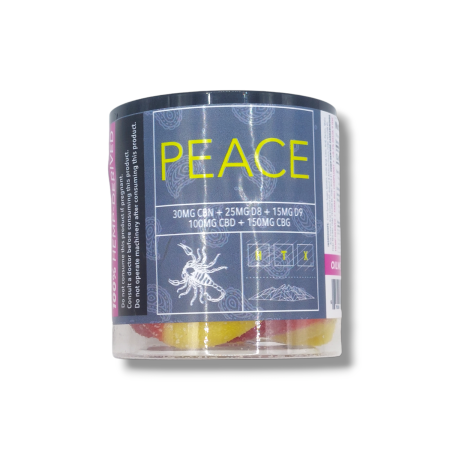
Colin also knows pharmaceutical dependence personally. He quit Xanax cold turkey — notoriously difficult and dangerous — using the cannabinoid knowledge he developed saving Bentley. The Peace Gummies formula that became an OilWell product was created during midnight experiments while fighting benzo withdrawal. Colin personally uses the vape form for his severe PTSD and insomnia. This isn’t theoretical knowledge. He lived what DC’s veterans, trauma survivors, and prescription-dependent residents live every day.
Later, Colin became a formally trained software engineer who did custom development work for Baylor College of Medicine — one of America’s most prestigious medical institutions. That combination of deep cannabis plant knowledge and medical-grade technical precision defines everything we do.
Media Recognition: Why DC Can Trust Our Voice
Between 2019 and 2023, ABC13 Houston — the ABC affiliate serving America’s fourth-largest city — featured Colin and OilWell in seven distinct news segments. Five different reporters sought us out. No other Houston cannabis operator has that breadth or frequency of coverage.
September 2019: Our first feature introduced the philosophy that drives everything: “I’m not trying to sell people snake oil… there’s enough research out there that people just need to know and try and have the best possible version to base their opinions off.”
May 2021: Investigative reporter Steve Campion asked about Delta-8. Colin’s unfiltered honesty — “Maybe you want to get high” — became an iconic moment of radical transparency on mainstream television.
August 2021: We gave away approximately $35,000 in product (1,000 caviar pre-rolls) to encourage COVID vaccination, coordinating with the city of Houston. No political strings. Just community health.
October 2021: When Texas suddenly classified Delta-8 as Schedule I, we proactively removed all products before enforcement and warned other operators who were unknowingly shipping what had overnight become felony narcotics. We absorbed a major revenue loss to act ethically.
October 2022: ABC13 revealed Colin’s personal marijuana conviction history. Every quote about therapy, education, and integrity carries more weight when you understand he’s lived the consequences of criminalization.
April 2023: On 4/20, we explained industry evolution to DC’s-sized market, framing it as a “Renaissance” to be enjoyed now, not just hoped for later.
This media record — spanning business, law, health, and community action — wasn’t purchased. It was earned through consistency, expertise, and action when it mattered.
The Science Behind Every Cannabinoid in Our Formula
We hold ourselves to the same evidence standards we apply to everyone else. Here’s what the research actually shows for each compound in our formula:
CBD (4,500mg in sublingual oil)
- Strongest evidence: certain rare epilepsies (Epidiolex approval) [1][2]
- Anxiety: 2024 meta-analysis shows anxiolytic signal but limited clinical samples [3]
- Pain: 2024 review finds promising but heterogeneous results [4]
- Sleep: 2023 review found weak methodology in most studies [5]
- Safety: 2023 meta-analysis identified liver enzyme elevation risks, especially with polypharmacy [6]
- Bottom line: Most evidence-developed nonintoxicating cannabinoid, but strong evidence limited to specific indications
CBG (3,000mg)
- Evidence: Mostly review and preclinical; human evidence sparse [7][8]
- Pharmacology: CB1/CB2 interactions, alpha-2 adrenoceptors, 5-HT1A signaling [7]
- Research areas: neurologic disorders, inflammatory bowel disease, antibacterial activity — all preclinical [7][8]
- Caution: Commercially sold while evidence base remains thin [7]
- Bottom line: Promising minor cannabinoid with limited clinical validation
Delta-8 THC (6,000mg)
- Evidence: Pharmacologically relevant but much less clinically characterized than delta-9 [9]-[11]
- Pharmacology: Partial CB1 agonist, less potent than delta-9 due to weaker affinity [9]
- Public health: 2023 scoping review found evidence dominated by animal studies and use reports, with adverse consequence reports [10]
- Manufacturing: Commercial interest driven by stability and easier synthesis from hemp [11]
- Bottom line: Psychoactive THC analogue with incomplete human safety characterization
THCa (1,500mg)
- Evidence: Important chemically, low on direct human therapeutic evidence [12]
- Psychoactivity: Does not produce THC’s psychoactive effects IF kept in acidic form [12]
- Research: In vitro/rodent studies suggest anti-inflammatory, neuroprotective, antineoplastic possibilities — not established human outcomes [12]
- Key issue: Decarboxylates to THC with heating, storage, processing [12]
- Bottom line: Precursor molecule whose interpretation depends entirely on handling
Delta-9 THC (90mg)
- Evidence: Strongest human evidence of psychoactive cannabinoids, clearest adverse-effect burden [1][13]-[15]
- Best supported: Chemo nausea/vomiting, HIV/AIDS appetite/weight loss, some MS/pain outcomes [1]
- Pain: 2022 systematic review found short-term benefit but increased dizziness, sedation, nausea, discontinuation [13]
- High-dose risks: 2025 review found unfavorable associations with psychosis, schizophrenia, cannabis use disorder [15]
- Pharmacokinetics: Inhaled onset seconds-minutes, oral onset slower, longer duration [14]
- Bottom line: Legitimate therapeutic relevance but significant intoxication and psychiatric liabilities
CBN (750mg)
- Evidence: Weak human evidence; marketing ahead of data [16][17]
- Sleep claims: 2021 review found no clinical trials with validated sleep questionnaires or polysomnography [16]
- 2024 update: Cannabis sleep research still doesn’t match real-world use scale [17]
- Bottom line: Reputation stronger than clinical evidence
CBC (750mg)
- Evidence: Emerging, intriguing, overwhelmingly preclinical [18][19]
- Pharmacology: Distinct from THC/CBD, antinociceptive, antibacterial, anti-seizure signals in animals [18]
- Safety: Over-the-counter products sold despite little clinical efficacy/safety evidence [18]
- Bottom line: Scientifically credible minor cannabinoid needing more research
Our Seven-Terpene Profile (5% in both products)
Limonene: Multifunctional monoterpene with antioxidant, anti-inflammatory, cardioprotective properties in review literature, but most claims from nonhuman/non-cannabis sources [21]. Oxidation products are contact allergens [22].
Myrcene: Preclinical anxiolytic, anti-inflammatory, analgesic properties, but human studies lacking [23]. Sedation claims exceed evidence.
Caryophyllene: Selective CB2 receptor agonist — unique among terpenes [24]. Anti-inflammatory, immunomodulatory, neuroprotective signals, but human confirmation limited [24].
Pinene: Antioxidant, anti-inflammatory, neuroprotective preclinical signals, but well-designed human trials lacking [25]. Memory/cognition claims are hypotheses, not facts.
Linalool: Stress, mood, brain-health pharmacology interest, but robust human trials missing [25][26]. Oxidation products are allergens [22].
Humulene: Broad preclinical anti-inflammatory effects, some rodent cannabimimetic properties via CB1 and adenosine A2a [27], but far from clinically settled [27].
Terpinolene: Reported biological effects but evidence base dominated by in silico, in vitro, animal studies [28]. Especially underdeveloped clinically [28].
Our Formulas: Complete Transparency for DC
We publish our complete formulas because Simpson gave his oil away for free, because Bentley’s life depended on precision, and because DC residents deserve to know exactly what they’re getting.
RSO Sublingual Oil — $129.99
Complete Formula:
| Cannabinoid | Amount |
|---|---|
| CBD | 4,500mg |
| CBG | 3,000mg |
| Delta-8 THC | 6,000mg |
| THCa | 1,500mg |
| Delta-9 THC | 90mg |
| CBN | 750mg |
| CBC | 750mg |
| Total Cannabinoids | 16,590mg |
- Carrier: Organic MCT oil
- Live Terpenes: 5% (limonene, myrcene, caryophyllene, pinene, linalool, humulene, terpinolene)
- Volume: 30mL (1 fl oz)
- Potency: 553mg active cannabinoids per mL
- Delta-9 THC: 3mg/mL (0.3% by weight — Farm Bill compliant)
- Dosing: Graduated dropper with 0.1mL increments
- Onset: 15-45 minutes (sublingual)
- Peak: 1-2 hours
- Duration: 4-6 hours
- Bioavailability: 13-19%
- Servings: 40-60 doses per bottle
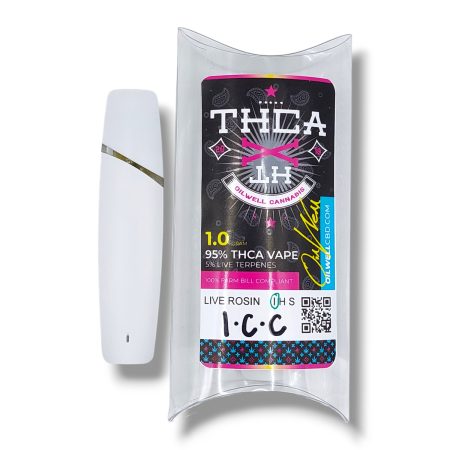
RSO Vape Cartridge — $49.99
Complete Formula:
| Cannabinoid | Percentage |
|---|---|
| CBD | 30% |
| CBG | 20% |
| Delta-8 THC | 15% |
| THCa | 10% |
| CBN | 10% |
| CBC | 10% |
- Live Terpenes: 5%+
- Format: 1-gram cartridge
- Thread: 510 universal battery compatibility
- Onset: 1-2 minutes (fastest delivery)
- Peak: 10-15 minutes
- Duration: 2-4 hours
- Bioavailability: 10-35%
- Auto-decarboxylation: THCa converts to delta-9 THC at vaping temperature (400-450°F)
Both formulas contain the same seven-terpene profile: citrus-bright limonene, myrcene for relaxation, caryophyllene for CB2 activation, forest-fresh pinene for clarity, lavender linalool for calm, earthy humulene for inflammation, and sparkling terpinolene for complexity.
How DC Residents Use Our RSO: Three Patient-Controlled Options
DC’s unique legal and cultural landscape demands flexibility. Our sublingual oil gives you three distinct usage modes from one purchase:
Option 1: Raw (Non-Psychoactive) — For Daytime Use
Use the oil as-is. All 1,500mg THCa remains in acidic form. You get anti-inflammatory cannabinoid exposure via COX-2 inhibition (THCa) and CB2 activation (caryophyllene) with zero impairment. Perfect for:
- Federal employees subject to drug testing (won’t trigger positive for THC)
- Daytime pain management while working on the Hill or commuting on Metro
- Parents managing DC’s demanding family schedules
- Anyone needing functional relief without cognitive impact
Option 2: Fully Activated (Home Decarboxylation) — For Full Potency
Heat oil at 260°F (125°C) for 45-60 minutes in an oven-safe glass container. This converts 1,500mg THCa → ~1,315mg delta-9 THC. Combined with existing 90mg delta-9 THC, you get ~1,405mg total delta-9 THC plus 6,000mg delta-8 THC — achieving psychoactive potency comparable to traditional illegal RSO, entirely legally.
Conversion math: 1mg THCa = 0.877mg delta-9 THC after decarboxylation (loss of CO₂ molecule).
You control the activation. You can decarb the whole bottle or transfer a portion to a separate container and decarb only what you need, preserving the remainder raw.
Option 3: Vape Cartridge — For Instant Relief
Every puff at 400-450°F instantly decarboxylates THCa to delta-9 THC. Fastest onset (1-2 minutes) for breakthrough pain, panic attacks, or acute nausea. Perfect for:
- Veterans with PTSD triggers near the Mall or in crowded Metro stations
- Cancer patients needing immediate chemo nausea relief
- Anxiety spikes before presentations or political events
Condition-Specific Guidance for DC Residents
Important disclaimer: This guidance is informed by research cited above, not FDA-approved protocols. Always consult your physician, especially at DC’s major medical centers (GW Hospital, MedStar Washington, Howard University Hospital). These products are not intended to diagnose, treat, cure, or prevent disease.
Chemotherapy Support (Common at NIH, Walter Reed, DC Cancer Centers)
- Pre-chemo: 0.5-1.0mL sublingual 1 hour before treatment (delta-8 antiemetic evidence [9], delta-9 nausea evidence [1][13])
- Breakthrough nausea: 2-3 vape puffs (1-2 minute onset)
- Post-chemo: 0.5mL sublingual every 6 hours as needed
- Sleep: 1-2mL sublingual before bed (delivers 25-50mg CBN)
Chronic Pain (DC’s High-Stress Work Environments)
- Daytime: 0.3-0.5mL raw sublingual — functional relief without impairment for commuting, meetings, Capitol Hill work
- Nighttime: 0.5-1.0mL decarbed sublingual — combines pain relief with sleep support
- Breakthrough: Vape as needed for rapid onset
- Evidence base: CBD pain [4], delta-9 pain [13], caryophyllene CB2 [24], THCa COX-2 [12]
Sleep Disorders (Common Among DC’s High-Achiever Culture)
- Before bed: 1-2mL sublingual
- At 2mL: delivers 50mg CBN (dosage investigated in 2024 sleep literature [16][17])
- At 1mL: delivers 25mg CBN (above 20mg threshold associated with reduced sleep disturbance)
Anxiety & Stress (Political Pressure, Federal Workloads)
- Daytime functional: 0.3mL raw sublingual (CBD anxiolytic [3], CBG pharmacology [7][8])
- Nighttime: 1mL sublingual full profile including CBN
- Acute: Vape for rapid calming
Fibromyalgia, Arthritis, Neuropathy
Multi-cannabinoid synergy matters. CBD alone falls short for complex conditions. Our seven-cannabinoid approach targets multiple receptor systems simultaneously.
DC’s Legal Framework: What You Need to Know
Federal District Complexities: DC exists in a unique legal space. While Initiative 71 legalized possession and home cultivation, sales remain prohibited except through the medical program. However, hemp-derived products under 0.3% delta-9 THC are federally legal under the 2018 Farm Bill.
Our sublingual oil contains only 90mg delta-9 THC total in a 30mL bottle — 3mg/mL, well under the 0.3% threshold. All cannabinoids are hemp-derived. This makes it:
- Federally legal
- Legal to ship to DC
- No medical card required (age 21+)
- Accessible to DC residents who can’t qualify for the medical program
- Usable by federal employees when raw (non-psychoactive)
Important: THCa converts to delta-9 THC when heated. DC residents are responsible for understanding their workplace policies. Federal employees should use raw form only to avoid drug test complications. Once decarboxylated, delta-9 THC will trigger positive results.
Getting OilWell RSO in Washington, DC
We serve DC through multiple channels:
Nationwide Shipping to DC
- Delivery time: 2-3 business days via USPS Priority Mail
- Packaging: Discreet, no cannabis branding visible
- Documentation: Full Certificates of Analysis, receipts, Farm Bill compliance paperwork included
- Tracking: Provided for all orders
- Signature: Optional signature-required service available
For DC Residents Visiting Houston
If you’re in Houston for medical treatment at the Texas Medical Center (MD Anderson, etc.), we offer free same-day delivery to all 60+ TMC institutions and Inner Loop hotels.
International Access
DC’s diplomatic community can legally import our products to many countries. We ship worldwide with complete customs documentation, COAs, and regulatory paperwork. International customers accept customs and legal responsibility.
Order Information
- Website: OilWellCBD.com
- Phone: (832) 416-2816
- Email: [email protected]
- Instagram: @oilwellcbd
Why We Publish Our Formulas: The DC Connection
Rick Simpson gave his oil away for free. He taught people how to make it. He never patented it. We honor that ethos by publishing our complete formulas — every milligram, every percentage — so DC residents who can’t afford $129.99 can source ingredients and make their own.
This isn’t marketing. It’s the foundation of who we are. It started with Bentley’s golden paste recipe (published free on our site), continued through our open-source RSO formulas, and extends to every product we make.
As Colin said on ABC13 in 2019: “I’m not trying to sell people snake oil. I’m not trying to sell people hope. But there’s enough research out there that people just need to know and try and have the best possible version to base their opinions off of to give it a fair shot as to whether it’s right or wrong for them.”
That philosophy matters in DC, where policy debates rage, where medical access is limited, where federal employees live under unique constraints. You deserve the best possible version of the information so you can make your own informed decision.
The Through-Line: From Nova Scotia to Capitol Hill
Rick Simpson started with a workplace injury and a doctor who said no to cannabis. He built a movement on personal testimony and free distribution. He operated illegally because prohibition gave him no choice.
OilWell started with a paralyzed dog facing euthanasia and a rescue worker’s question that changed everything. We built a company on pharmaceutical precision, complete transparency, and legal compliance. We operate legally because the 2018 Farm Bill finally gave us that choice.
Both stories are about desperation leading to discovery. Both are about refusing to accept when the system says there’s no hope. But only one story gives you a product that:
- Contains 16,590mg of precisely measured cannabinoids across seven compounds
- Preserves THCa for patient-controlled potency
- Includes live terpenes at 5% with defined profiles
- Is third-party lab tested for potency, pesticides, heavy metals, residual solvents, and microbes
- Ships legally to DC and worldwide
- Publishes its complete formula so you can make it yourself if you can’t afford it
That product is OilWell’s RSO. And it’s available to you in Washington, DC, right now.
Final Word to DC Residents
We know DC. We know the stress of working two blocks from the Capitol. We know the veterans struggling with PTSD after service. We know the cancer patients at Georgetown and Howard seeking alternatives when treatment hurts more than it helps. We know the federal employees who need relief but can’t risk impairment or positive drug tests.
Our RSO isn’t for everyone. But if you’re searching for an evidence-informed, legally compliant, patient-controlled cannabinoid product that honors the RSO tradition while solving its problems, we’re here.
Start low, go slow, consult your physician, and give it a fair shot based on the best possible version of the information — exactly what we promised you from day one.
Contact us:
- Phone: (832) 416-2816
- Email: [email protected]
- Website: OilWellCBD.com
- Address: 810 Richmond Ave, Houston, TX 77006
This product has not been evaluated by the FDA. Not intended to diagnose, treat, cure, or prevent any disease. Must be 21+ to purchase. Keep out of reach of children. Consult a healthcare provider before use, especially if pregnant, nursing, or taking medications. Do not operate vehicles or machinery while under the influence of psychoactive cannabinoids. Buyer assumes responsibility for compliance with local laws.
THCa Rick Simpson Oil
Full-Spectrum • In-House Extraction
THE OILWELL PASSION PROJECT: THCa RSO
Experience true full-spectrum relief. Our Rick Simpson Oil is meticulously crafted in-house to preserve the complete cannabinoid and terpene profile of the plant. Potent, pure, and profound.
- 🌿 Maximum Potency
- 🔬 Third-Party Lab Tested
- 🚀 Same-Day Delivery Available