
Rick Simpson Oil (RSO) in Clay County, Kentucky: A Complete Guide by OilWell Cannabis
Introduction: Why RSO Matters in Clay County
For residents of Clay County, Kentucky, accessing safe, legal, and effective cannabis products has often been a challenge. While Kentucky has made progress with hemp-derived CBD products, many residents seeking stronger therapeutic options have found themselves navigating confusing legal landscapes or relying on inconsistent sources. This is where Rick Simpson Oil (RSO) from OilWell Cannabis offers a new possibility.
RSO has become one of the most discussed cannabis extracts in the world, particularly among those seeking natural alternatives for managing chronic conditions. In Clay County, where healthcare access can be limited and many residents face conditions like chronic pain, insomnia, and anxiety, understanding RSO’s potential—and its limitations—is crucial.
At OilWell Cannabis, we believe in providing honest, science-backed education about cannabis products. Our RSO formulas are designed to offer the benefits of traditional RSO while addressing its historical limitations—such as inconsistent potency, residual solvents, and lack of standardization. Most importantly, our products are fully legal under federal law and can be shipped directly to your door in Clay County.
In this guide, we’ll cover:
- What RSO is and how it originated
- The science behind RSO and its potential benefits
- How OilWell’s RSO differs from traditional RSO
- Legal considerations for Clay County residents
- How to use RSO safely and effectively
- Real stories from people who’ve benefited from RSO
Let’s begin with the story of Rick Simpson and how RSO came to be.
The Story of Rick Simpson and Traditional RSO
Who Was Rick Simpson?
Rick Simpson was an ordinary man from Nova Scotia, Canada, who became one of the most influential figures in the cannabis movement. Born in 1949, Simpson worked as a power engineer and maintenance worker. His life took a dramatic turn in 1997 when he suffered a serious head injury while working at a hospital in Moncton, New Brunswick. The accident left him with persistent tinnitus, dizziness, and other post-concussion symptoms that conventional medicine couldn’t adequately treat.
Simpson reported that the medications he was prescribed either didn’t help or made his condition worse. When he asked his doctor about using cannabis for relief, the request was refused. This experience left Simpson deeply frustrated with the medical system and set him on a path that would eventually lead to the creation of Rick Simpson Oil.
The Birth of RSO
Simpson’s interest in cannabis deepened after he learned about a 1974 study funded by the National Institutes of Health (NIH) at the Medical College of Virginia. The study found that THC (the primary psychoactive compound in cannabis) slowed or shrank tumors in mice. Though the study was originally intended to demonstrate harm, its findings sparked Simpson’s curiosity about cannabis’s potential therapeutic benefits.
The pivotal moment in Simpson’s story came in 2003 when he developed three bumps on his arm that his doctor diagnosed as basal cell carcinoma (a type of skin cancer). Rather than pursuing conventional treatment, Simpson applied concentrated cannabis oil directly to the lesions, covered them with bandages, and waited. According to his account, the bumps disappeared within four days.
It’s important to note that Simpson’s experience was personal and anecdotal. There was no independent medical verification, biopsy confirmation, or clinical follow-up published in any peer-reviewed source. Nevertheless, this experience became the origin of Rick Simpson Oil (RSO) and the foundation of his advocacy.
The Crusade to Spread RSO
After his experience in 2003, Simpson committed himself to producing and distributing concentrated cannabis oil. He began making large quantities of the oil at his property in Maccan, Nova Scotia, and gave it away for free to cancer patients and others in his community. He didn’t charge anything for the oil, believing that it should be accessible to anyone who needed it.
Simpson’s story reached a global audience through the 2005 documentary Run From The Cure, directed by Christian Laurette. The film documented Simpson’s claims, showed testimonials from people he had treated, and framed his work as a grassroots challenge to pharmaceutical and governmental interests. The documentary was distributed freely online and became one of the most widely shared cannabis advocacy films of its time.
Simpson’s advocacy brought him into direct conflict with Canadian law. The Royal Canadian Mounted Police (RCMP) raided his property in 2005 and again in 2009, seizing plants and equipment. He was charged with cannabis cultivation, possession, and trafficking. Despite community support and public attention, he was eventually forced to leave Canada due to continued legal pressure.
The Legacy of Traditional RSO
Traditional RSO was made using a simple but risky process:
- High-THC cannabis (usually indica-dominant strains) was placed in a container.
- The plant material was covered with a solvent (originally naphtha, a petroleum-based product, or 99% isopropyl alcohol).
- The mixture was agitated to dissolve cannabinoids and other compounds from the plant.
- The solvent was poured off through a filter.
- The solvent was evaporated using low heat (often in a rice cooker), leaving behind a thick, dark oil.
- The oil was transferred into oral syringes for storage and dosing.
The resulting oil was nearly black, thick, tar-like, and had a strong cannabis odor. It was primarily composed of delta-9 THC (the psychoactive compound in cannabis) at concentrations often estimated between 60-90%. Importantly, traditional RSO contained little to no terpenes (aromatic compounds that may contribute to cannabis’s effects) due to the high-heat evaporation process.
Simpson recommended a structured dosing protocol: starting with very small amounts (about half a grain of rice-sized dose, three times daily) and gradually increasing over 90 days to a total of 60 grams of oil. He claimed this protocol could help with conditions including cancer, chronic pain, diabetes, infections, glaucoma, arthritis, depression, and insomnia.
The Evidence Behind Simpson’s Claims
Simpson’s claims about RSO’s ability to cure cancer and other diseases were expansive and often absolute. However, it’s crucial to evaluate these claims against the actual scientific evidence.
What the Preclinical Literature Shows:
- Some studies have demonstrated that THC and CBD can induce apoptosis (programmed cell death), inhibit cell proliferation, and reduce angiogenesis (the formation of new blood vessels that feed tumors) in certain cancer cell lines.
- Animal studies have shown some tumor-growth inhibition in mice and rats treated with cannabinoids.
What the Preclinical Literature Does NOT Show:
- These findings have not translated into proven human cancer cures. The gap between laboratory/animal results and human clinical outcomes is vast and well-documented in oncology research.
- No human clinical trial has demonstrated that RSO or any cannabis oil preparation cures cancer.
- Several small human trials of cannabinoids in cancer contexts (particularly glioblastoma) have been conducted, but they have been exploratory and have not produced results that would support cancer-cure claims.
Institutional Positions:
- The U.S. National Cancer Institute (NCI) acknowledges that cannabinoids have been studied for potential anticancer effects in laboratory and animal models but does not endorse cannabis or cannabis oil as a cancer treatment.
- The U.S. Food and Drug Administration (FDA) has not approved any cannabis plant product for the treatment of cancer. The only FDA-approved cannabinoid-related products are for other specific indications: Epidiolex (CBD) for certain seizure disorders and dronabinol/nabilone (synthetic THC analogues) for chemotherapy-related nausea and AIDS-related wasting.
- Health Canada has never approved RSO or cannabis oil as a cancer cure.
What Simpson Got Right:
Simpson drew attention to cannabinoids as a serious area of biomedical research at a time when most of the world was ignoring or actively suppressing that conversation. His advocacy helped create the political, cultural, and social conditions for the legal cannabis industry and the cannabinoid research infrastructure that exists today. The term “RSO” itself remains the most recognized name for full-spectrum cannabis extract in the consumer vocabulary.
What He Overstated:
The leap from preclinical signals to cancer cure was not supported by human evidence when Simpson made it, and it remains unsupported today. Encouraging patients—particularly cancer patients—to rely on RSO as a primary treatment in place of proven oncologic therapies (surgery, radiation, chemotherapy, immunotherapy) carries genuine harm potential. Delayed or foregone treatment for treatable cancers is a documented concern in the alternative-medicine literature.
How OilWell’s RSO Differs from Traditional RSO
At OilWell Cannabis, we respect Rick Simpson’s contributions to cannabis advocacy, but we’ve taken a different approach to RSO—one that’s informed by modern science, safety standards, and the needs of patients in places like Clay County.
Here’s how our RSO differs from traditional RSO:
| Dimension | Traditional RSO | OilWell RSO |
|---|---|---|
| Source material | Single high-THC indica strain | Multi-cannabinoid blend from multiple sources |
| Extraction method | Naphtha or isopropyl alcohol | Modern food-grade ethanol or CO₂ methods |
| Cannabinoid profile | THC-dominant, uncontrolled | Seven defined cannabinoids at specific ratios |
| Terpene content | Destroyed by high-heat process | Live terpenes at 5% with defined seven-terpene profile |
| Standardization | None—every batch different | Lab-tested with specific mg/mL targets |
| Lab testing | Not available or performed | Full panel testing (potency, terpenes, pesticides, heavy metals, residual solvents, microbial) |
| Residual solvents | Significant risk with naphtha | Controlled and tested (solvent-free) |
| Dosing precision | Approximate, syringe-based | Measured per mL with known cannabinoid content (553 mg/mL) |
| Product formats | Single thick oil only | Sublingual oil and vape cartridge with format-specific formulas |
| THCa preservation | No—fully decarboxylated by heat | Yes—THCa included as a separate ingredient at 1,500 mg |
| Evidence approach | Anecdotal, personal testimony | Research-backed, evidence-weighted |
Why These Differences Matter for Clay County Residents
-
Multi-Cannabinoid Approach:
Traditional RSO relied on whatever single strain the maker grew or sourced. Our formula intentionally includes seven cannabinoids: CBD, CBG, delta-8 THC, THCa, delta-9 THC, CBN, and CBC. This multi-cannabinoid approach is based on the “entourage effect” theory, which suggests that cannabinoids may work better together than in isolation. While robust clinical proof of whole-formula synergy is still developing, preclinical evidence supports the potential benefits of cannabinoid diversity. -
Terpene Preservation:
Traditional RSO had essentially no terpene content due to the high-heat evaporation process. Our formula includes live terpenes at 5% with a specific seven-terpene profile: limonene, myrcene, caryophyllene, pinene, linalool, humulene, and terpinolene. Terpenes are aromatic compounds that may influence the effects of cannabinoids, though robust human clinical proof of cannabis-specific entourage effects remains limited. -
THCa as a Separate Ingredient:
Traditional RSO fully decarboxylated everything, converting all THCa (the acidic precursor to THC) into delta-9 THC. Our sublingual formula includes THCa at 1,500 mg as a distinct ingredient. This is important because THCa itself does not produce the psychoactive effects associated with THC, but it may have its own therapeutic benefits (more on this later). This design gives you control over whether you want psychoactive effects or not. -
Reduced Delta-9 THC Dominance:
Traditional RSO was overwhelmingly delta-9 THC—often 60-90% of total cannabinoid content. Our sublingual formula uses delta-9 THC at only 90 mg (out of 16,590 mg total cannabinoids), while incorporating delta-8 THC at 6,000 mg and distributing the remaining cannabinoid content across CBD (4,500 mg), CBG (3,000 mg), CBN (750 mg), and CBC (750 mg). This reflects the broader cannabinoid research landscape rather than a single-compound dominance model. -
Product Format Innovation:
Simpson envisioned only one format: an oral oil administered from a syringe. We offer both a 30 mL sublingual oil and a 1-gram vape cartridge, each with its own format-specific formulation. This acknowledges that different delivery routes have different pharmacokinetic profiles (how the body absorbs and processes the compounds). -
Solvent-Free Production:
Traditional RSO production used naphtha or isopropyl alcohol—neither of which is food-grade. Naphtha is a complex petroleum hydrocarbon mixture that may contain benzene, toluene, and other toxic compounds. Our RSO is not an extraction product in the traditional sense. It’s a formulated blend of individual cannabinoid distillates and isolates combined at specific ratios in a controlled production environment. No naphtha, no isopropyl alcohol, no butane—no extraction solvents are present in the finished product. -
Lab Testing and Transparency:
Every batch of traditional RSO was different because it depended entirely on the starting plant material, growing conditions, solvent purity, extraction technique, and the individual maker’s process. There was no Certificate of Analysis (COA), no cannabinoid quantification, and no contaminant screening. Our products undergo third-party lab testing for potency, terpenes, pesticides, heavy metals, residual solvents, and microbial contaminants. COAs are available on request.
The Science Behind OilWell’s RSO Formula
Our RSO formula is designed based on the available scientific evidence for each cannabinoid and terpene included. Here’s a breakdown of what the science says about each component:
Cannabinoids in OilWell’s RSO
CBD (Cannabidiol) – 4,500 mg
Evidence Profile: Strongest human evidence in our formula.
What the Science Says:
- Epilepsy: CBD is the only cannabinoid with FDA approval for medical use. Epidiolex, a purified CBD solution, is approved for treating certain rare forms of epilepsy (Dravet syndrome and Lennox-Gastaut syndrome).
- Anxiety: A 2024 systematic review and meta-analysis covering 316 participants across eight studies reported a statistically significant anxiolytic (anxiety-reducing) effect. However, the authors stressed that more trials are needed before broad conclusions can be drawn.
- Pain: A 2024 systematic review of clinical and preclinical CBD studies concluded that the pain literature is promising but heterogeneous, with trial quality and consistency still limiting confidence in broad analgesic claims.
- Sleep: A 2023 review found that while CBD is often used for insomnia, the literature remains methodologically weak, with many studies relying on subjective measures rather than objective sleep assessments.
- Safety: A 2023 systematic review found a real signal for liver enzyme elevation and possible drug-induced liver injury in some CBD contexts, especially relevant for concentrated oral products and polypharmacy settings.
Relevance for Clay County:
CBD is the most evidence-developed non-intoxicating cannabinoid in our formula. In Clay County, where access to alternative treatments for conditions like epilepsy, anxiety, and chronic pain can be limited, CBD offers a well-studied option with a strong safety profile.
CBG (Cannabigerol) – 3,000 mg
Evidence Profile: Mostly review-level and preclinical; human evidence remains sparse.
What the Science Says:
- CBG is the biosynthetic precursor to several major cannabinoids and appears pharmacologically distinct from both THC and CBD.
- Review literature describes interactions with cannabinoid receptors as well as alpha-2 adrenoceptors and 5-HT1A-related signaling.
- Potential research areas include neurologic disorders, inflammatory bowel disease, and antibacterial activity, but these are primarily pharmacology-led hypotheses rather than mature human therapeutic conclusions.
Relevance for Clay County:
CBG is scientifically credible but clinically immature compared to CBD. In Clay County, where residents may be exploring alternatives for conditions like inflammatory bowel disease or neurodegenerative disorders, CBG offers a promising but not yet proven option.
Delta-8 THC – 6,000 mg
Evidence Profile: Pharmacologically relevant, psychoactive, and much less clinically characterized than delta-9 THC.
What the Science Says:
- Delta-8 THC is a partial CB1 agonist (the receptor primarily responsible for THC’s psychoactive effects) with cannabimimetic activity in animals and humans.
- It appears less potent than delta-9 THC, likely due to weaker CB1 affinity.
- A 2023 scoping review found that much of the delta-8 evidence base is still dominated by animal studies, product chemistry, use reports, and public-health concerns rather than strong modern human trials.
- Delta-8 is often synthesized from CBD, which raises manufacturing and product-quality concerns.
Relevance for Clay County:
Delta-8 THC is psychoactive but generally considered less potent than delta-9 THC. In Clay County, where some residents may be seeking the benefits of THC without the intensity of delta-9, delta-8 offers a middle ground. However, it’s important to note that delta-8 will still show up on drug tests and may cause impairment.
THCa (Tetrahydrocannabinolic Acid) – 1,500 mg
Evidence Profile: Important chemically and formulation-wise, but still low on direct human therapeutic evidence.
What the Science Says:
- THCa is the acidic precursor to THC and may represent a large share of the THC-related content in raw cannabis.
- THCa itself does not produce the psychoactive effects associated with THC.
- In vitro and rodent literature suggest anti-inflammatory, immunomodulatory, neuroprotective, and antineoplastic (anti-tumor) possibilities.
- THCa can convert to THC through decarboxylation (applying heat). At 260°F (125°C) for 45-60 minutes, 1,500 mg of THCa converts to approximately 1,315 mg of delta-9 THC.
Relevance for Clay County:
THCa is one of the most important innovations in our RSO formula. It allows residents of Clay County to choose whether they want psychoactive effects or not. Used raw, THCa provides potential therapeutic benefits without impairment. When decarboxylated (heated), it converts to delta-9 THC, offering full psychoactive potency.
Delta-9 THC – 90 mg
Evidence Profile: Strongest human evidence of the psychoactive cannabinoids in our formula, but also the clearest adverse-effect burden.
What the Science Says:
- Nausea and Appetite: THC is well-established for chemotherapy-related nausea and vomiting and appetite stimulation in HIV/AIDS.
- Pain: A 2022 systematic review found that products with high THC content or roughly comparable THC:CBD ratios may provide short-term pain benefit, but they also increased dizziness, sedation, nausea, and treatment discontinuation due to adverse events.
- Mental Health Risks: A 2025 systematic review found consistent unfavorable associations between high-concentration THC products and psychosis or schizophrenia outcomes, with additional concerning signals for anxiety and depression in nontherapeutic settings.
- Safety Concerns: Institutional literature describes anxiety or panic at high doses, tachycardia, blood-pressure changes, dependency potential, withdrawal symptoms, and pregnancy concerns.
Relevance for Clay County:
Delta-9 THC has legitimate therapeutic relevance for conditions like chronic pain and chemotherapy-induced nausea. However, it also carries the clearest intoxication and safety liabilities. Our formula contains only 90 mg of delta-9 THC (3 mg per mL), which is dramatically lower than traditional RSO (which often contained 600-900 mg per day at peak dosing). This makes our product much safer and more manageable for most users.
CBN (Cannabinol) – 750 mg
Evidence Profile: Weak human evidence; marketing has clearly moved ahead of the data.
What the Science Says:
- CBN is often marketed as a sleep aid, but the clinical support is far thinner than the market suggests.
- A 2021 review screened 99 human-study abstracts, reviewed eight full-text articles, and found no clinical trials using validated sleep questionnaires or formal polysomnography that could substantiate strong sleep-promoting claims for CBN.
- CBN is a downstream degradation product of THC and is often discussed in the context of aged or oxidized cannabis.
Relevance for Clay County:
CBN is included in our formula for its potential sleep benefits, but it’s important to set realistic expectations. While CBN may contribute to relaxation, it’s not a proven sleep aid. Our formula delivers 25 mg of CBN per 1 mL dose, which is above the 20 mg threshold associated with reduced sleep disturbance in some research.
CBC (Cannabichromene) – 750 mg
Evidence Profile: Emerging, intriguing, and still overwhelmingly preclinical or review-based.
What the Science Says:
- CBC has distinct pharmacodynamics and pharmacokinetics relative to better-known cannabinoids.
- Preclinical literature reports anti-inflammatory effects, reduced gut hypermobility, modest rodent analgesic activity, and possible neurobiological or antiproliferative relevance.
- A 2024 review noted that over-the-counter CBC products are already being sold despite little evidence establishing clinical efficacy or safety.
Relevance for Clay County:
CBC is scientifically credible but not yet clinically validated. Its inclusion in our formula reflects our commitment to a multi-cannabinoid approach based on the entourage effect theory.
Terpenes in OilWell’s RSO
Our RSO includes a 5% terpene profile with seven specific terpenes. While the evidence for terpenes’ therapeutic effects is less robust than for cannabinoids, they play an important role in the sensory experience and may contribute to the entourage effect.
Here’s what the science says about each terpene in our formula:
Limonene (Citrus-Bright)
- Evidence Profile: Largely review and preclinical.
- Potential Activity: Described as a multifunctional monoterpene with antioxidant, anti-inflammatory, cardioprotective, and gastroprotective properties.
- Safety Note: Limonene oxidation products, especially hydroperoxides, are clinically relevant contact allergens.
Myrcene
- Evidence Profile: Mostly preclinical, with very limited human evidence.
- Research Summary: Described as having anxiolytic, antioxidant, anti-inflammatory, and analgesic properties.
- Interpretation Caution: Often invoked as a sedating terpene, but direct human proof is limited.
Caryophyllene (β-Caryophyllene – Pepper/Spice)
- Evidence Profile: Among the most mechanistically interesting terpenes because of direct cannabinoid-system relevance.
- Why It Stands Out: A selective CB2 receptor agonist, which is unusual and makes it especially relevant in cannabis pharmacology.
- Research Themes: Anti-inflammatory, immunomodulatory, antioxidant, and neuroprotective actions.
Pinene (Forest-Fresh)
- Evidence Profile: Promising preclinical literature, weak human clinical confirmation.
- Brain-Health Framing: Found antioxidant, anti-inflammatory, and neuroprotective signals in preclinical studies.
- Interpretation Caution: Claims about memory improvement or attention sharpening remain hypotheses.
Linalool (Floral, Lavender)
- Evidence Profile: Substantial preclinical interest, limited direct clinical confirmation.
- Research Summary: Discussed in relation to stress, mood, and brain-health pharmacology.
- Safety Note: Oxidized linalool hydroperoxides are recognized allergens.
Humulene (Earthy, Woody)
- Evidence Profile: Translationally interesting, but still early.
- Scoping-Review Findings: Found broad preclinical evidence for anti-inflammatory effects and some rodent work suggesting cannabimimetic properties.
Terpinolene (Piney, Fruity, Sparkling)
- Evidence Profile: One of the least clinically characterized terpenes.
- Research Summary: Found a range of reported biological effects, but evidence is dominated by in silico, in vitro, and animal studies.
Legal Considerations for Clay County Residents
Federal Law and the 2018 Farm Bill
Our RSO is fully legal under federal law thanks to the 2018 Farm Bill (Agricultural Improvement Act). This legislation legalized hemp and hemp-derived products containing less than 0.3% delta-9 THC by dry weight.
Our RSO Sublingual Oil contains only 90 mg of delta-9 THC in the entire 30 mL bottle—3 mg per mL—which is well under the 0.3% threshold. All cannabinoids in our formula are hemp-derived.
THCa and the Decarboxylation Choice
THCa (tetrahydrocannabinolic acid) is the acidic, non-psychoactive precursor to delta-9 THC. It is not itself delta-9 THC, and this distinction is legally significant. Because THCa has not been converted to delta-9 THC at the point of sale, our product meets the definition of a hemp-derived product under the 2018 Farm Bill.
However, THCa can be converted to delta-9 THC through decarboxylation—applying heat. Here’s how it works:
- Raw Use: All 1,500 mg of THCa stays in its acidic, non-psychoactive form. This option is compatible with work, driving, and daytime use with zero psychoactive impairment.
- Fully Activated (Home Decarboxylation): Heating the oil at 260°F (125°C) for 45-60 minutes converts 1,500 mg of THCa into approximately 1,315 mg of delta-9 THC. Combined with the existing 90 mg of delta-9 THC, this yields approximately 1,405 mg of total delta-9 THC—giving the product psychoactive potency comparable to traditional RSO.
- Vape (Auto-Decarboxylation): The RSO Vape Cartridge vaporizes at 400-450°F, which instantly converts THCa to delta-9 THC with each inhalation.
This design puts the potency decision entirely in your hands. You can use the product raw for non-psychoactive benefits or activate it at home for full psychoactive effects.
Kentucky State Law
Kentucky has a complex legal landscape when it comes to cannabis:
- Hemp-Derived CBD: Legal under state and federal law.
- Medical Cannabis: As of 2024, Kentucky has a medical cannabis program, but it is still in the early stages of implementation. The program is expected to become operational in 2025.
- Delta-8 THC: Kentucky has not explicitly banned delta-8 THC, but it has issued warnings about its safety and quality. Our delta-8 THC is derived from hemp and tested for safety and potency.
- THCa: Kentucky law does not specifically address THCa. Our product contains less than 0.3% delta-9 THC at the point of sale, making it legal under federal law.
Important Legal Notice:
- You are responsible for understanding and complying with Kentucky state laws regarding cannabinoid products.
- Our products are intended for adults 21 years of age and older.
- While we ship with full documentation, Certificates of Analysis, and receipts, international and out-of-state customers accept all customs and legal responsibility.
- If you have concerns about drug testing, note that delta-8 THC and activated THCa will trigger positive results.
How to Use OilWell’s RSO in Clay County
Product Formats
We offer our RSO formula in two delivery formats, each designed for different use cases:
RSO Sublingual Oil – $129.99
- Format: 30 mL bottle (1 fl oz)
- Total Cannabinoids: 16,590 mg (553 mg per mL)
- Seven Cannabinoids: CBD 4,500 mg, CBG 3,000 mg, delta-8 THC 6,000 mg, THCa 1,500 mg, delta-9 THC 90 mg, CBN 750 mg, CBC 750 mg
- Live Terpenes: 5% (limonene, myrcene, caryophyllene, pinene, linalool, humulene, terpinolene)
- Carrier: Organic MCT oil
- Dosing: Graduated dropper for precise dosing in 0.1 mL increments
- Onset: 15 to 45 minutes (sublingual absorption through oral mucosa)
- Peak Effects: 1 to 2 hours
- Duration: 4 to 6 hours
- Bioavailability: 13 to 19% (sublingual route partially bypasses first-pass liver metabolism)
- Approximate Doses per Bottle: 40 to 60 depending on serving size
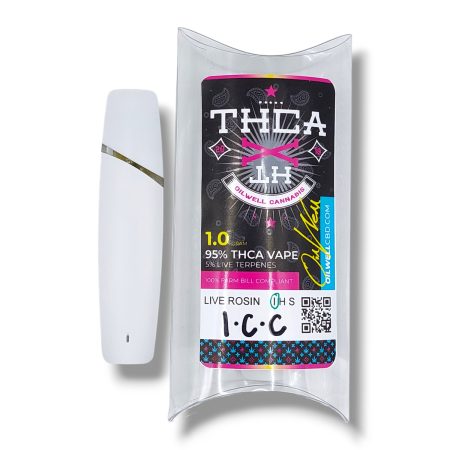
RSO Vape Cartridge – $49.99
- Format: 1-gram cartridge
- Total Cannabinoids: 900 mg+
- Six Cannabinoids: Same ratio as sublingual formula (no delta-9 THC listed separately—THCa auto-decarbs at vaping temperature)
- Live Terpenes: 5%+
- Compatibility: 510-thread universal battery
- Onset: 1 to 2 minutes (fastest cannabinoid delivery method)
- Peak Effects: 10 to 15 minutes
- Duration: 2 to 4 hours
- Bioavailability: 10 to 35% (variable, dependent on inhalation technique)
- Auto-Decarboxylation: THCa converts to delta-9 THC instantly at vaping temperature (400-450°F)
When to Use Each Format
| Use Case | Recommended Format | Rationale |
|---|---|---|
| Fast relief (acute pain, nausea, panic) | Vape | 1-2 minute onset |
| Sustained relief (chronic pain, sleep) | Sublingual | 4-6 hour duration |
| Maximum bioavailability | Sublingual | 13-19% absorption |
| Portability and discretion | Vape | Compact, no measuring required |
| Precise dosing control | Sublingual | Graduated dropper in 0.1 mL increments |
| Daytime non-psychoactive use | Sublingual (raw) | THCa stays inactive, zero impairment |
| Nighttime psychoactive use | Sublingual (decarbed) or Vape | Activated THCa + delta-8 THC |
Condition-Specific Usage Contexts
Important Disclaimer:
The following usage contexts are informed by cannabinoid research cited in this document and by our formulation rationale. They are not medical prescriptions, not FDA-approved treatment protocols, and not a substitute for professional medical care. These products have not been evaluated by the Food and Drug Administration and are not intended to diagnose, treat, cure, or prevent any disease. Always consult a qualified healthcare provider before using cannabinoid products, especially if you have a medical condition, are taking medications, are pregnant or nursing, or have any health concerns. Do not operate vehicles or machinery while under the influence of psychoactive cannabinoids.
Chemotherapy-Related Nausea and Appetite Support
- Pre-Chemo: 0.5 to 1.0 mL sublingual approximately 1 hour before treatment
- Acute Breakthrough Nausea: 2 to 3 vape puffs for immediate relief (1-2 minute onset)
- Post-Chemo: 0.5 mL sublingual every 6 hours as needed
- Sleep Support During Treatment: 1.0 to 2.0 mL sublingual before bed (delivers 25 to 50 mg CBN)
- Evidence Context: Delta-8 THC antiemetic evidence, delta-9 THC nausea and vomiting evidence, CBD anxiolytic buffering
Chronic Pain (Fibromyalgia, Arthritis, Neuropathy)
- Daytime: 0.3 to 0.5 mL raw sublingual—provides anti-inflammatory cannabinoid exposure without psychoactive impairment
- Nighttime: 0.5 to 1.0 mL decarboxylated sublingual—combines pain relief with CBN sleep support
- Breakthrough Pain: Vape as needed for rapid onset
- Evidence Context: CBD pain evidence, delta-9 THC pain evidence, beta-caryophyllene CB2 agonism, THCa COX-2 inhibition
Sleep Support
- Before Bed: 1.0 to 2.0 mL sublingual
- At 2.0 mL: Delivers 50 mg CBN—the dosage level investigated in the 2024 sleep literature
- At 1.0 mL: Delivers 25 mg CBN—above the 20 mg threshold associated with reduced sleep disturbance in published research
- Evidence Context: CBN sleep evidence, cannabis and sleep review literature
Anxiety and Stress
- Daytime Functional Relief: 0.3 mL raw sublingual—CBD and CBG address anxiety-related pathways without psychoactive impairment
- Nighttime: 1.0 mL sublingual—full cannabinoid profile including CBN for sleep architecture
- Evidence Context: CBD anxiety evidence, CBG pharmacology, limonene entourage-effect evidence
General Titration Principle
Start low, go slow. Begin with 0.25 to 0.5 mL sublingual and assess effects over 2 to 3 hours before increasing. Individual responses vary based on body weight, metabolism, tolerance, concurrent medications, and other factors.
Decarboxylation: How to Activate THCa at Home
If you want to experience the full psychoactive effects of our RSO, you can decarboxylate the THCa at home. Here’s how:
Materials Needed:
- OilWell RSO Sublingual Oil
- Oven-safe glass container (small Pyrex dish or mason jar)
- Aluminum foil
- Oven
- Oven thermometer (optional but recommended)
Instructions:
- Preheat your oven to 260°F (125°C). Use an oven thermometer to confirm the temperature, as oven dials can be inaccurate.
- Measure the desired amount of RSO. You can decarboxylate the entire bottle or just a portion. If you only want to decarboxylate a portion, use a clean dropper to transfer the desired amount to a separate oven-safe glass container.
- Cover the container with aluminum foil to minimize terpene loss.
- Place the container in the preheated oven.
- Bake for 45-60 minutes. This time allows for complete decarboxylation of THCa to delta-9 THC.
- Remove from oven and let cool. The oil will be very hot—handle with care.
- Use as desired. The decarboxylated oil can be used sublingually or added to food or beverages.
Conversion Chemistry:
- THCa molecular weight: 358.47 g/mol
- Delta-9 THC molecular weight: 314.47 g/mol
- Conversion ratio: 1 mg THCa ≈ 0.877 mg delta-9 THC (reflecting the loss of a CO₂ molecule during decarboxylation)
Example:
- 1,500 mg THCa × 0.877 ≈ 1,315 mg delta-9 THC
- Plus existing 90 mg delta-9 THC = ~1,405 mg total delta-9 THC
Safety and Drug Interactions
General Safety Guidelines
- Start Low, Go Slow: Begin with a low dose and increase gradually to assess your tolerance.
- Avoid Driving or Operating Machinery: Psychoactive cannabinoids can impair coordination, reaction time, and judgment.
- Store Safely: Keep products out of reach of children and pets.
- Consult Your Healthcare Provider: Especially if you are pregnant, nursing, have a medical condition, or are taking medications.
- Avoid Mixing with Alcohol or Other Substances: Combining cannabinoids with alcohol or other substances can increase impairment and adverse effects.
Potential Side Effects
- Delta-9 THC and Delta-8 THC: Dry mouth, red eyes, increased heart rate, dizziness, anxiety, paranoia (at high doses), sedation, impaired memory and coordination.
- CBD: Dry mouth, diarrhea, reduced appetite, drowsiness, fatigue.
- CBG, CBN, CBC: Limited human data, but generally considered well-tolerated at moderate doses.
Drug Interactions
Cannabinoids can interact with medications metabolized by the liver’s cytochrome P450 enzyme system. This includes many common medications such as:
- Blood thinners (e.g., warfarin)
- Antidepressants (e.g., SSRIs, tricyclics)
- Antipsychotics
- Benzodiazepines
- Opioids
- Certain antiepileptic drugs
- Some chemotherapy drugs
If you are taking any medications, consult your healthcare provider before using our products.
Real Stories: How RSO Has Helped People in Kentucky and Beyond
Bentley’s Story: The Origin of OilWell Cannabis
Our founder, Colin Valencia, first discovered the power of cannabis extracts when his beloved dog Bentley was diagnosed with paralysis and facing euthanasia. Veterinarians had no solutions beyond pain medications that would destroy Bentley’s internal organs.
Colin learned about CBD and created a golden paste formula that saved Bentley’s life. From paralyzed and facing euthanasia to walking and playing fetch, Bentley’s recovery was nothing short of miraculous. He lived another ten years, and during that time, Colin developed specialized cannabis formulas for every age-related condition Bentley faced—neurodegeneration, dementia, glaucoma, and arthritis.
Bentley’s story is the foundation of OilWell Cannabis. It’s a testament to the potential of cannabinoids to improve quality of life when conventional medicine falls short.
Colin’s Story: From PTSD to Peace
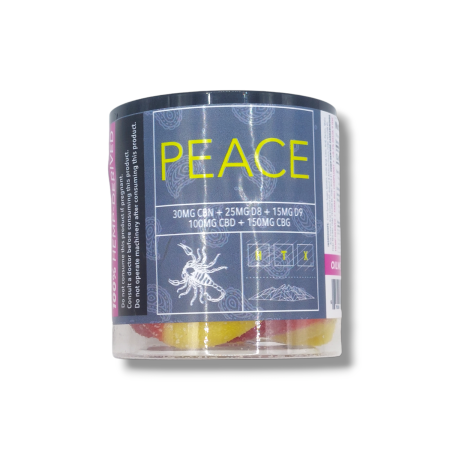
Colin’s personal journey with cannabis didn’t end with Bentley. He struggled with PTSD and benzodiazepine addiction, eventually quitting Xanax cold turkey using the cannabinoid knowledge he had developed. The Peace Gummies formula, which became one of our most popular products, was born from Colin’s midnight experiments during benzodiazepine withdrawal.
Colin still uses the Peace Gummies vape to manage his insomnia and severe PTSD. His story is a powerful example of how cannabis can offer hope and healing when pharmaceuticals fail.
Veteran Stories: Finding Relief After Service
Many veterans in Kentucky and across the country have turned to our products for relief from PTSD, chronic pain, and insomnia. One veteran from Louisville shared:
“I served in Afghanistan and came back with PTSD and chronic back pain. I tried everything—opioids, physical therapy, you name it. Nothing worked until I found OilWell’s RSO. The sublingual oil helps with my pain during the day without making me feel high, and the vape gives me quick relief when I have panic attacks. It’s changed my life.”
Cancer Patient Stories: Support During Treatment
While we never claim that RSO cures cancer, many cancer patients have found our products helpful for managing symptoms and side effects of treatment. A breast cancer survivor from Lexington shared:
“Chemo was brutal—I had constant nausea, no appetite, and couldn’t sleep. My oncologist recommended trying cannabis, but I didn’t want to smoke. OilWell’s RSO was a game-changer. The sublingual oil helped with my nausea and gave me my appetite back. The CBN helped me sleep through the night. It didn’t cure my cancer, but it made the treatment bearable.”
Why Choose OilWell’s RSO for Clay County?
1. Legal and Accessible
Our RSO is fully legal under federal law and can be shipped directly to your door in Clay County. No medical card is required—just verify that you’re 21 or older.
2. Patient-Controlled Potency
Our formula includes THCa, which allows you to choose whether you want psychoactive effects or not. Use it raw for non-psychoactive benefits or decarboxylate it at home for full potency.
3. Multi-Cannabinoid Formula
Unlike traditional RSO, which was primarily THC, our formula includes seven cannabinoids (CBD, CBG, delta-8 THC, THCa, delta-9 THC, CBN, CBC) and seven terpenes. This multi-cannabinoid approach is based on the entourage effect theory, which suggests that cannabinoids may work better together.
4. Solvent-Free and Lab-Tested
Our products are formulated without solvents and undergo third-party lab testing for potency, terpenes, pesticides, heavy metals, residual solvents, and microbial contaminants. Certificates of Analysis (COAs) are available on request.
5. Two Product Formats
Choose between our 30 mL sublingual oil (for sustained relief) and 1-gram vape cartridge (for fast relief). Each format is designed for different use cases and lifestyles.
6. Open-Source Formulas
We believe in transparency and accessibility. Our complete formulas are published publicly, so if you can’t afford our products, you can source the ingredients and make your own version. This reflects our commitment to making cannabis accessible to everyone, not just those who can afford premium products.
7. Made in Houston, Shipped to Clay County
Our products are made in Houston, Texas, with a personal touch. From the artwork on the packaging to the formulations inside, everything is created in-house using our own recipes and ideas. When you order from us, you’re supporting a small business with a big mission.
8. Community Commitment
OilWell Cannabis is more than just a business—we’re committed to our community. During the COVID-19 pandemic, we gave away $35,000 in products to encourage vaccination. We also proactively removed all Delta-8 products from our shelves when the legal landscape changed, even though it meant a significant revenue loss. This commitment to ethics and community is at the heart of what we do.
Frequently Asked Questions (FAQs)
Is OilWell’s RSO legal in Clay County, Kentucky?
Yes. Our RSO contains less than 0.3% delta-9 THC at the point of sale, making it legal under federal law and Kentucky state law. We ship to Clay County and across the United States.
Will OilWell’s RSO get me high?
It depends on how you use it:
- Raw (no heat): No. THCa is non-psychoactive.
- Decarboxylated (heated): Yes. Heating converts THCa to delta-9 THC, which is psychoactive.
- Vape: Yes. The vape cartridge instantly decarboxylates THCa with each inhalation.
Will OilWell’s RSO show up on a drug test?
- Raw (no heat): Probably not. THCa is not typically tested for in standard drug screens.
- Decarboxylated or Vape: Yes. Delta-9 THC and delta-8 THC will trigger positive drug test results.
How long does it take to feel the effects?
- Sublingual Oil: 15 to 45 minutes for onset, with peak effects at 1 to 2 hours.
- Vape Cartridge: 1 to 2 minutes for onset, with peak effects at 10 to 15 minutes.
How long do the effects last?
- Sublingual Oil: 4 to 6 hours.
- Vape Cartridge: 2 to 4 hours.
Can I travel with OilWell’s RSO?
We do not recommend traveling with our products, especially across state lines or internationally. Laws vary by jurisdiction, and transporting cannabis products can result in legal consequences.
Can I use OilWell’s RSO if I’m pregnant or nursing?
No. Cannabinoids can cross the placenta and enter breast milk, potentially affecting fetal development or infant health. Consult your healthcare provider before using any cannabinoid products if you are pregnant or nursing.
Can I give OilWell’s RSO to my pet?
Our RSO is formulated for human use. While our founder’s dog Bentley benefited from a CBD golden paste, we recommend consulting a veterinarian before giving any cannabis products to pets.
What’s the difference between OilWell’s RSO and traditional RSO?
Our RSO differs from traditional RSO in several key ways:
- Multi-Cannabinoid Formula: Traditional RSO was primarily THC; ours includes seven cannabinoids.
- Terpene Preservation: Traditional RSO had no terpenes; ours includes a 5% terpene profile.
- THCa Preservation: Traditional RSO was fully decarboxylated; ours includes THCa, giving you control over psychoactivity.
- Solvent-Free: Traditional RSO used potentially toxic solvents; ours is formulated without solvents.
- Lab-Tested: Traditional RSO was untested; ours undergoes third-party lab testing.
How does OilWell’s RSO compare to other RSO products available in Kentucky?
Many RSO products available in Kentucky are single-cannabinoid (usually THC) and lack the standardization, terpene content, and lab testing of our formula. Our multi-cannabinoid approach, inclusion of THCa, and commitment to transparency set us apart.
How do I store OilWell’s RSO?
Store in a cool, dark place away from direct sunlight and heat. The sublingual oil can be stored at room temperature or in the refrigerator. The vape cartridge should be stored upright in a cool, dry place.
What’s the shelf life of OilWell’s RSO?
When stored properly, our RSO has a shelf life of 1-2 years. The sublingual oil may thicken in cold temperatures but will return to normal consistency when warmed.
Can I cook with OilWell’s RSO?
Yes, but be mindful of temperature. Heating above 260°F (125°C) will decarboxylate THCa, converting it to delta-9 THC. If you want to preserve THCa, use low-temperature cooking methods.
What if I take too much?
If you consume too much and feel uncomfortable, stay calm and hydrated. The effects will wear off with time. If you experience severe symptoms (e.g., panic, rapid heart rate, severe nausea), seek medical attention.
Can I mix OilWell’s RSO with other medications?
Cannabinoids can interact with medications metabolized by the liver’s cytochrome P450 enzyme system. Consult your healthcare provider before mixing our products with other medications.
How do I know if OilWell’s RSO is right for me?
The best way to determine if our RSO is right for you is to start with a low dose and assess your response. Everyone’s endocannabinoid system is unique, so individual experiences may vary. Consult your healthcare provider to discuss whether cannabinoids might be appropriate for your specific needs.
How to Order OilWell’s RSO in Clay County
Online Ordering
- Visit our RSO product page.
- Choose your product: RSO Sublingual Oil or RSO Vape Cartridge.
- Add to cart and proceed to checkout.
- Enter your shipping information. We ship to Clay County, Kentucky, and across the United States.
- Select your shipping method. Standard shipping is available, with faster options for an additional fee.
- Complete your purchase. We accept major credit cards and other secure payment methods.
Shipping Information
- Processing Time: Orders are typically processed within 1-2 business days.
- Shipping Methods:
- Standard Shipping: 3-5 business days via USPS, FedEx, or UPS.
- Priority Shipping: 2-3 business days (additional fee).
- International Shipping: Available to select countries (customer is responsible for verifying local legality and customs).
- Discreet Packaging: All orders are shipped in plain, unmarked packaging with no cannabis branding visible.
- Tracking: You will receive a tracking number once your order has shipped.
Customer Support
If you have any questions or need assistance with your order, our customer support team is here to help:
- Phone: (832) 416-2816
- Email: [email protected]
- Hours: Monday-Thursday: 10:00 AM – 7:00 PM; Friday-Saturday: 10:00 AM – 10:00 PM; Sunday: 10:00 AM – 4:00 PM
Final Thoughts: RSO and the Future of Cannabis in Clay County
Rick Simpson Oil represents both the promise and the complexity of cannabis as medicine. On one hand, it’s a product born from real suffering and a genuine desire to help others. On the other hand, its history is marked by bold claims that have often outpaced the scientific evidence.
At OilWell Cannabis, we believe in honoring Rick Simpson’s legacy while evolving his vision to meet modern standards of safety, transparency, and scientific rigor. Our RSO formulas are designed to offer the benefits of traditional RSO—such as multi-cannabinoid synergy and potent effects—while addressing its limitations, including inconsistent potency, residual solvents, and lack of standardization.
For residents of Clay County, Kentucky, our RSO offers a legal, accessible, and carefully formulated option for exploring the potential benefits of cannabis. Whether you’re seeking relief from chronic pain, insomnia, anxiety, or the side effects of medical treatments, our products are designed to give you control over your experience.
Most importantly, we’re committed to providing honest, science-backed education. Cannabis is not a cure-all, and it’s not right for everyone. But for those who find it beneficial, it can be a powerful tool for improving quality of life.
As Kentucky’s cannabis landscape continues to evolve, we’re proud to be part of a movement that prioritizes patient access, product safety, and evidence-based education. Whether you choose to purchase our products or make your own using our open-source formulas, we’re here to support you with the information and resources you need to make informed decisions.
Thank you for trusting OilWell Cannabis. We’re honored to be part of your journey toward better health and well-being.
Disclaimer:
These products have not been evaluated by the Food and Drug Administration. This product is not intended to diagnose, treat, cure, or prevent any disease. Always consult a qualified healthcare provider before using cannabinoid products, especially if you have a medical condition, are taking medications, are pregnant or nursing, or have any health concerns. Individual results may vary. Do not operate vehicles or machinery while under the influence of psychoactive cannabinoids. Keep out of reach of children. The buyer is responsible for understanding and complying with local laws regarding cannabinoid products. OilWell Cannabis assumes no legal responsibility for the customer’s use or decarboxylation decisions. Void where prohibited by law.
THCa Rick Simpson Oil
Full-Spectrum • In-House Extraction
THE OILWELL PASSION PROJECT: THCa RSO
Experience true full-spectrum relief. Our Rick Simpson Oil is meticulously crafted in-house to preserve the complete cannabinoid and terpene profile of the plant. Potent, pure, and profound.
- 🌿 Maximum Potency
- 🔬 Third-Party Lab Tested
- 🚀 Same-Day Delivery Available