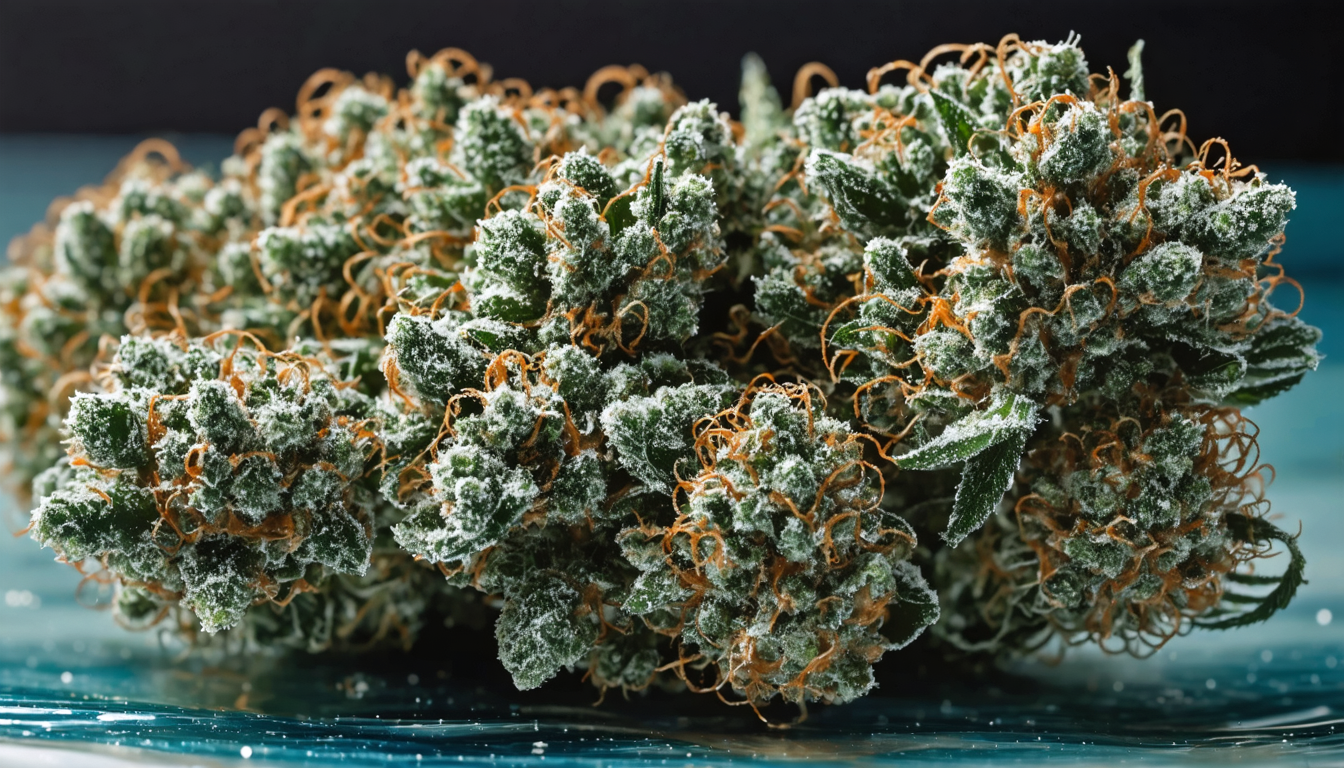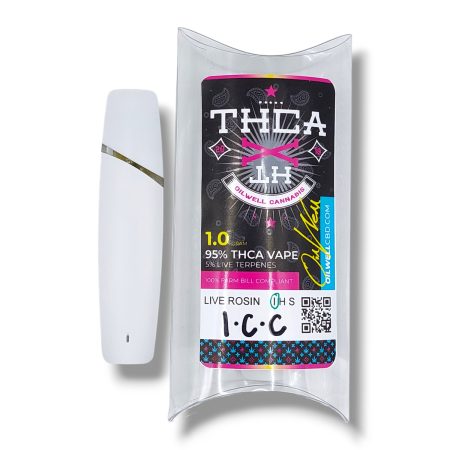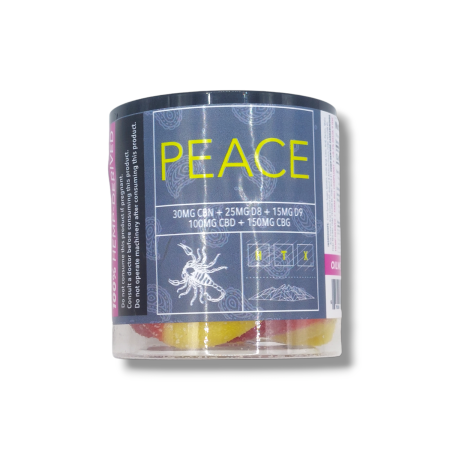
Houston — June 16, 2026. Eleven brand-new exotic THCA flower strains just landed at OilWell Cannabis, and they’re in stock today with same-day Houston delivery. Every strain is indoor, top-shelf, and lab-tested. We’ve been Houston’s hemp source since 2019 — ABC13-featured and Texas DSHS-licensed — and this page does what no other THCA shop in Houston does: it gives you the real science, the current Texas law, and exactly what’s in the jar, with nothing dressed up.
Shop the new drop → | Buy 2, Get 1 Free on every strain (details below). 21+ only.
The Drop: 11 New Exotic Strains, Available Now
Alien OG, Cadillac Rainbow, Candy Fumez, Cap City Kush, Cotton Candy, Garlic Juice, Gas Basket, OG Kush, Sherbanger, Skywalker OG, and Sub Zero — each grown indoor, hand-trimmed, and stocked fresh. Choose your weight (1/4 oz, 1/2 oz, or full ounce) and we’ll get it to your door same-day across Greater Houston.
-
01 Live
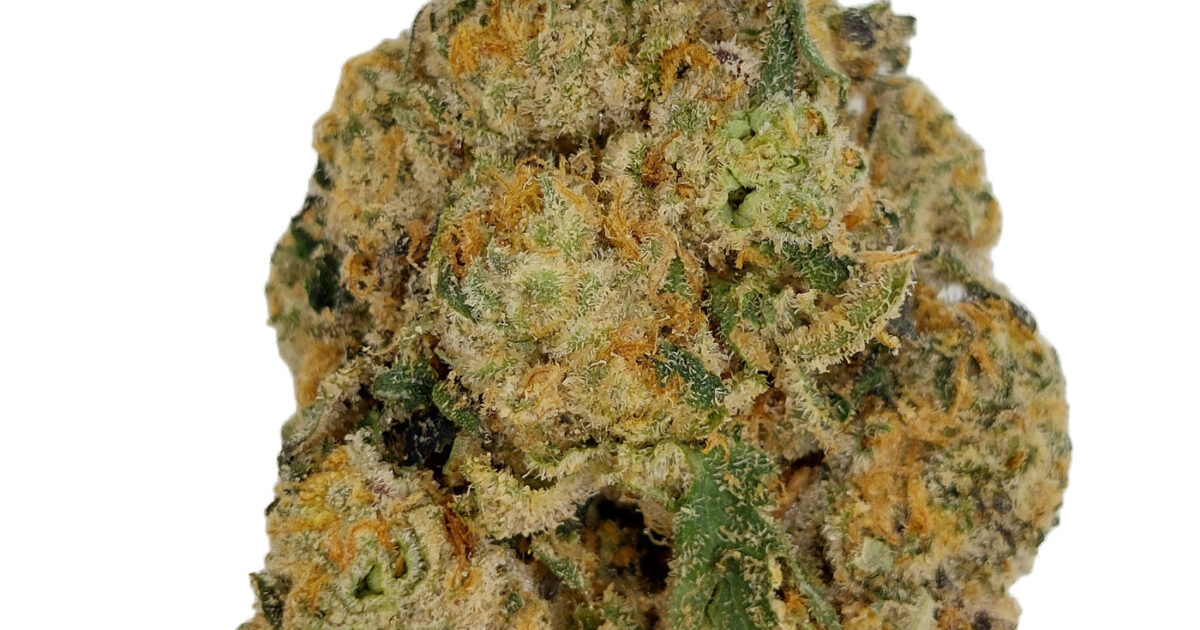
Alien OG Indoor Top-Shelf High THCa Farm-Bill Compliant Hemp Flower
Alien OG THCA flower is indoor, top-shelf, hand-trimmed Tahoe OG x Alien Kush — a cosmic-cerebral OG with a signature lemon-pine-and-diesel nose that finishes on an unmistakable garlic-funk that no other Houston flower explains honestly (it's a volatile sulfur thiol, not a terpene). Reported as a fast creeper: bright euphoria up top, heavy body weight after — a true evening, lights-low strain. Every batch is lab-tested with a posted COA.Buy 2, get 1 free (same strain + size, stackable) with same-day Houston delivery to River Oaks, Memorial, the Galleria, West U, Sugar Land, Katy and beyond. Indoor exotic, 21+ only.
-
01 Live
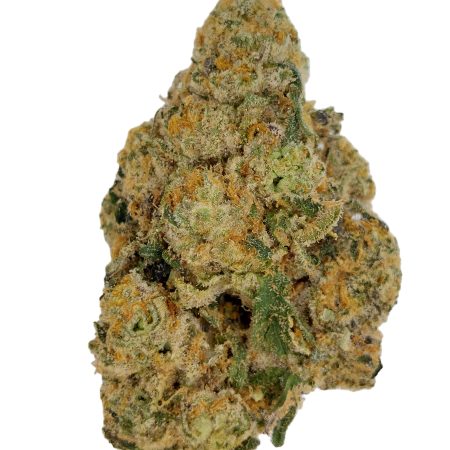
Cadillac Rainbow Indoor Top-Shelf High THCa Farm-Bill Compliant Hemp Flower
Cadillac Rainbow THCA flower is the indica-leaning Michigan exotic everyone is chasing in 2026 — 3rd Coast Genetics' breeder-confirmed Pure Michigan x Runtz, the strain Leafly called "an indica hybrid Escalade." Its signature: candied cherry-grape and citrus riding a gas-and-leather diesel funk that smells like the restored interior of a classic Caddy — black-purple buds, lab-tested THCA in the low-to-mid 20s. Reported as a calm, euphoric, slow-rolling evening cultivar (not a therapeutic claim). Same-day Houston delivery to River Oaks, Memorial, the Galleria, West U, Sugar Land, Katy and The Woodlands. Buy 2, Get 1 Free on matching strain + size....
-
02 Live
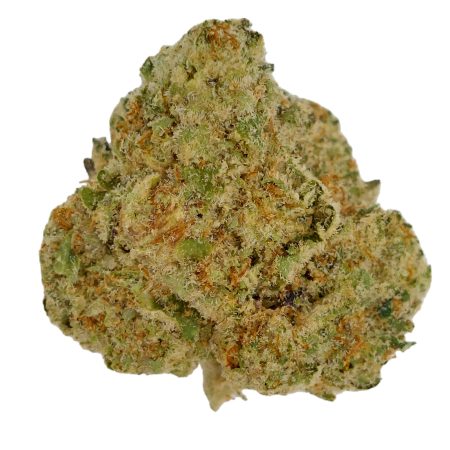
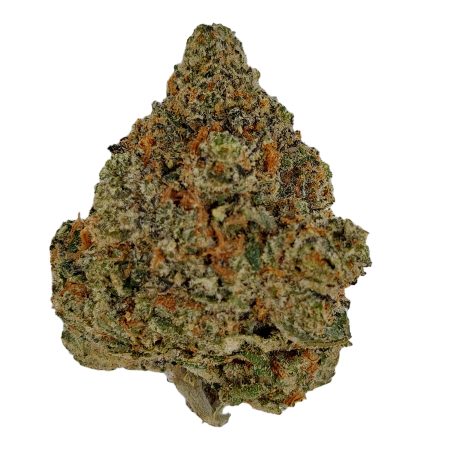
Candy Fumez Indoor Top-Shelf High THCa Farm-Bill Compliant Hemp Flower
Candy Fumez THCA flower is the candy-meets-gas exotic that made its name on the West Coast: Zkittlez crossed with Sherbanger, grown indoor top-shelf, hand-trimmed, and loud in the jar. The thesis is right in the name — Zkittlez fruit-candy esters up front, diesel "fumez" (volatile sulfur thiols) underneath. Mid-20s to ~30% THCA on the lot COA, reported as a euphoric head-rush easing into a dreamy, relaxing evening body.Buy 2, get 1 free (same strain, same size — stackable) - same-day Houston delivery to River Oaks, Memorial, the Galleria, Sugar Land and beyond - lab-tested - 21+.
-
03 Live
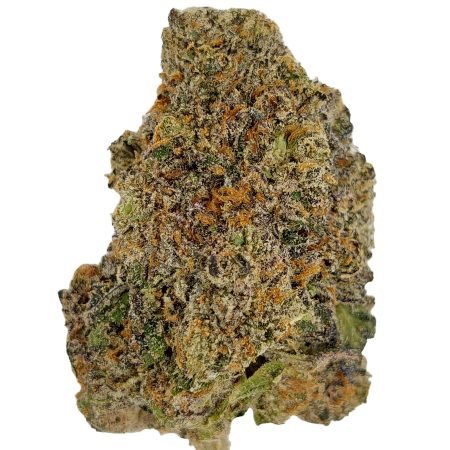
Cap City Kush Indoor Top-Shelf High THCa Farm-Bill Compliant Hemp Flower
Cap City Kush THCA flower is a boutique 2026 exotic — Khalifa Mintz x Grape Gasoline from Compound Genetics, phenohunted by rainycityexotics. Its signature: a grape-and-mint top note riding a loud, true gas base (those VSC thiols), grown indoor to washer/solventless grade. The reported vibe runs uplifting into a calm, heavy-bodied evening wind-down — connoisseur-grade, not entry-level.Buy 2, Get 1 Free (same strain + size). Lab-tested with a posted lot COA, same-day Houston delivery to River Oaks, Memorial, the Galleria, Sugar Land and beyond. 21+ only.
-
04 Live
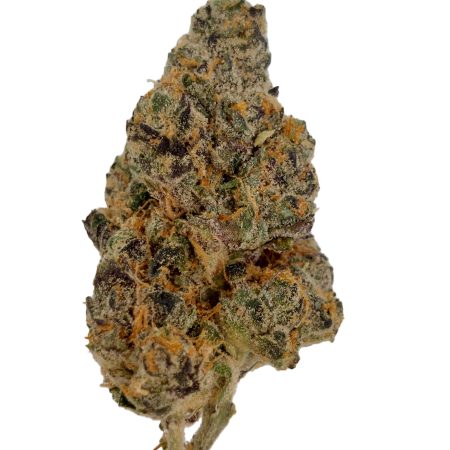
Cotton Candy Indoor Top-Shelf High THCa Farm-Bill Compliant Hemp Flower
Cotton Candy THCA flower is the rare jar that actually tastes like the carnival — frosty, deep-green-and-violet dessert buds (the modern Gelato x Birthday Cake cut) that hit the nose with real spun-sugar and berry sweetness, then settle into a buoyant, cheerful lift and warm body calm. Ester-sweet, not "weak" — this lot tests 20-27% THCA on its batch COA.Premium indoor, lab-tested, 21+. Buy 2, Get 1 Free (same strain + size) with same-day Houston delivery to River Oaks, Memorial, the Galleria, Sugar Land and beyond.
-
05 Live
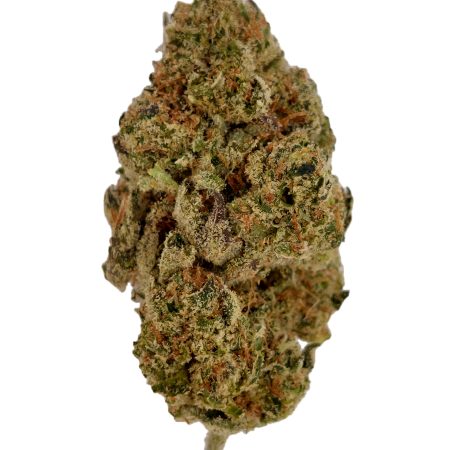
Garlic Juice Indoor Top-Shelf High THCa Farm-Bill Compliant Hemp Flower
Garlic Juice THCA flower is the catalog's purest savory specimen — Oni Seed Co's GMO x Papaya cross where roasted-garlic sulfur funk collides head-on with tropical papaya nectar, the one word in each half of the name mapping perfectly to a parent. Our lab-tested indoor lot runs a credible ~29% THCA (about 25.6% activated) on a limonene-led terpene deck — not the inflated 35% the internet repeats.Reported as a tingly, body-forward, grounded evening sit-down (effects vary; not medical claims). Buy 2, Get 1 Free on the same strain and size, same-day Houston delivery from River Oaks to Sugar Land, COA-backed,...
-
06 Live
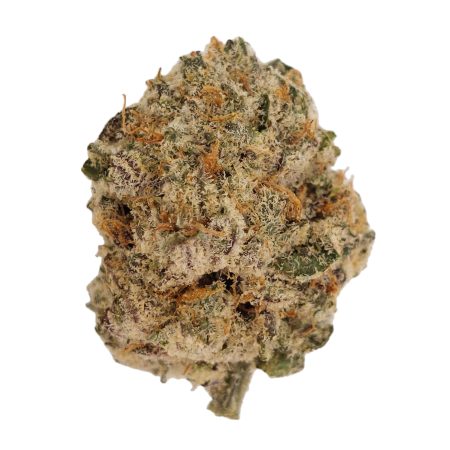
Gas Basket Indoor Top-Shelf High THCa Farm-Bill Compliant Hemp Flower
Gas Basket THCA flower is the PNW-exotic unicorn that crosses two opposite worlds in one bud: a basket of fresh cinnamon rolls splashed with kerosene. Gary Payton's diesel-pepper gas meets Bakers Dozen's vanilla-dough dessert, grown from the definitive LUVLI cut. Its signature: genuinely huge total terpenes (2.6-2.9%) on an honest, un-inflated 22-26% THC COA — loud, not lying. Reported as a balanced late-afternoon head-lift into easy body calm. Indoor top-shelf, lab-tested, Buy 2 Get 1 Free, same-day Houston delivery to River Oaks, Memorial, the Galleria, Sugar Land and beyond. 21+ only.
-
07 Live
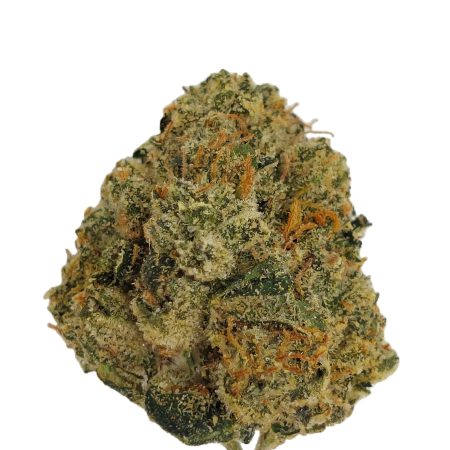
OG Kush Indoor Top-Shelf High THCa Farm-Bill Compliant Hemp Flower
OG Kush THCA flower is the fountainhead of West Coast gas — dense, sage-green, trichome-frosted indoor buds that broke open with fuel, pine, damp forest floor and a lemon-pepper snap. The original "loud," now grown to exotic indoor standards and delivered fresh. Its signature: a beta-caryophyllene-forward gas profile that founded the entire diesel category — backed by the lot COA, never inflated. The reported vibe leans evening and after-work — a behind-the-eyes settle into grounded, heavy-shouldered calm. Buy 2, Get 1 Free (same strain + size, stackable) · Same-day Houston delivery to River Oaks, Memorial, the Galleria, Sugar Land &...
-
08 Live
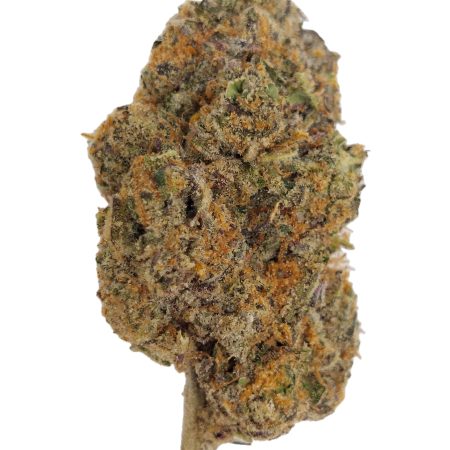
Sherbanger Indoor Top-Shelf High THCa Farm-Bill Compliant Hemp Flower
Sherbanger THCA flower is the legendary Boston Roots Seed Co. cross of Sunset Sherbet x Headbanger — the strain that fused dessert and gas into one word and one unmistakable nose: blueberry-gelato sweetness wrapped around sour-diesel fuel. Indoor-grown, hand-trimmed, Type I, with lab-verified THCA typically in the low-to-high 20s%.The reported arc runs bright and talkative up front, then settles warm and easy toward evening — an afternoon-to-night flower for the connoisseur who wants flavor and potency.Buy 2, Get 1 Free (same strain + size, stackable) - same-day Houston delivery to River Oaks, Memorial, the Galleria, Sugar Land & beyond -...
-
09 Live
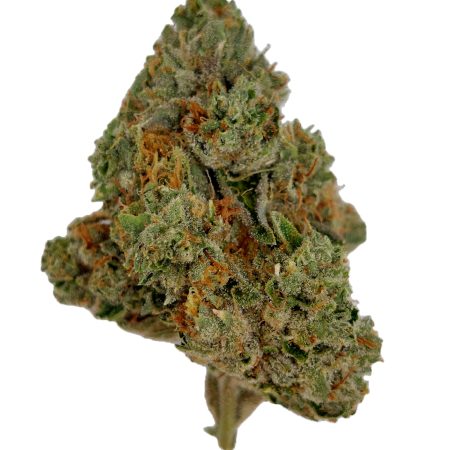
Skywalker OG Indoor Top-Shelf High THCa Farm-Bill Compliant Hemp Flower
Skywalker OG THCA flower is the heavyweight nightcap of our indoor exotic lineup — Skywalker (Mazar x Blueberry) crossed with OG Kush, grown to a loud ~4% total terpene deck led by myrcene, with jet-fuel OG gas wrapped around a sweet blueberry note. Its one signature differentiator: a genuine award-grower COA reading 27.2% THCA (Total THC ~25%), so what you smell on arrival is what the lab measured.The reported vibe is a quick cerebral lift that sinks into heavy, warm, end-of-day stillness — an evening / nighttime, experienced-user flower, never a daytime one. Buy 2 get 1 free (same strain,...
-
10 Live
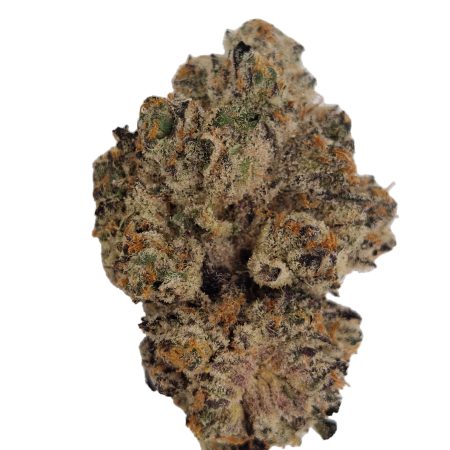
Sub Zero Indoor Top-Shelf High THCa Farm-Bill Compliant Hemp Flower
Sub Zero THCA flower is GrowMoreFire's 2026 breakout — Oreoz x Super Boof — frosted in silver-white trichomes with deep cold-night purple. One unmistakable signature: orange-creamsicle dipped in chocolate and gas, with a cool minty-pine edge no other flower delivers.Connoisseurs reach for the clean euphoric lift that settles into warm full-body calm — an afternoon-to-evening companion (effects are reported experiences, not medical claims). Real lab COAs land at 26-27% THCA, not the inflated 30%+ on so many labels.Buy 2, Get 1 Free (same strain + size). Same-day Houston delivery to River Oaks, Memorial, the Galleria, Sugar Land & beyond. Lab-tested....
The Real Science of THCA Flower
Most THCA pages give you a potency number and a vibe. Here is the actual chemistry, pharmacology, and lab science — cited to primary research, written to be understood, and careful to separate what is established from what is still being studied.
What THCA Is — and the Real Chemistry of How It Becomes THC
What THCA actually is (and why raw flower isn’t “high-THC weed”)
THCA is tetrahydrocannabinolic acid — the acidic, plant-made precursor that fresh, undried, unheated cannabis produces instead of THC. Its molecular formula is C22H30O4, with a molecular weight of 358.47 g/mol. THC, by contrast, is C21H30O2 at 314.46 g/mol. The entire difference between them is a single carboxyl group (–COOH) attached at the C2 position of the molecule. That one chemical group is the reason every gram of top-shelf THCA flower we deliver in Houston ships from our DSHS-licensed inventory as raw, acidic cannabinoid — and the reason it behaves the way it does until heat is applied.
The carboxyl group matters because of geometry. THCA is a larger, more polar, non-planar molecule than THC, and that shape interferes with how it fits the brain’s CB1 receptor — the receptor most associated with intoxication. In a controlled 2017 study using highly purified THCA-A (and correcting for THC contamination that had confounded earlier work), McPartland and colleagues reported that THCA-A showed little affinity or efficacy at either CB1 or CB2 receptors in binding and functional assays (McPartland et al., 2017, Cannabis and Cannabinoid Research, 2(1):87–95, doi:10.1089/can.2016.0032). Earlier reports were genuinely contradictory — some found weak binding, others none, and one found affinity similar to THC — a discrepancy a 2016 review attributed largely to sample purity and trace decarboxylation (Moreno-Sanz, 2016, Cannabis and Cannabinoid Research, 1(1):124–130, PMID 28861488). The honest takeaway: in its raw acidic form, THCA does not engage CB1 the way THC does. Heat changes that, by removing the carboxyl group entirely.
The preclinical pharmacology of raw THCA (animal and cell data only)
THCA is not pharmacologically inert — but the evidence for what it does is preclinical, meaning it comes from cell cultures and animal models, not controlled human trials. We flag this distinction deliberately, because it is routinely blurred in marketing. In a 2017 laboratory study, purified THCA was reported to bind and activate PPARγ (peroxisome proliferator-activated receptor gamma), a nuclear receptor, in cell-based assays (Nadal et al., 2017, British Journal of Pharmacology, 174(23):4263–4276, PMID 28853159). That is a receptor-level finding in cells and animals only. It is not evidence that THCA flower treats, prevents, or relieves any disease or symptom in people, and nothing on this page should be read that way. We mention it only because it illustrates a genuine point of cannabinoid science: the acidic precursors have their own distinct biology, separate from the THC they become.
Decarboxylation: how THCA becomes THC, and the 0.877 factor
Apply heat — a lighter, a vaporizer, an oven — and THCA loses its carboxyl group as carbon dioxide. This reaction is called decarboxylation:
THCA → THC + CO2
Because the departing CO2 (44.01 g/mol) is mass that leaves the molecule, the THC produced weighs less than the THCA you started with. The conversion factor is the ratio of the two molecular weights:
314.46 ÷ 358.47 = 0.877
So a gram of pure THCA can yield at most about 0.877 grams of THC — roughly a 12.3% mass loss as CO2 escapes. This is why lab COAs report a “Total THC” figure that is always lower than a naive sum of THCA + THC. The standard formula is:
Total THC = (THCA × 0.877) + Δ9-THC
A worked example, using a typical COA on one of our exotic strains: suppose a flower tests at 26.0% THCA and 0.4% Δ9-THC by dry weight. Total THC = (26.0 × 0.877) + 0.4 = 22.80 + 0.4 = 23.2%. That 23.2% — not the 26.4% you’d get by adding the raw numbers — is the figure that reflects the cannabinoid actually delivered once the flower is heated, and the figure regulators increasingly use. (See the legal section: Texas’s DSHS rule, 25 TAC 300.101, counts cannabinoids on a total-THC basis that includes THCA.) In practice, decarboxylation is not a clean 1:1 conversion — at higher temperatures some of the resulting THC further degrades, including to CBN — so real-world yield runs below the theoretical 0.877 ceiling (Wang et al., 2016, Cannabis and Cannabinoid Research, 1(1):262–271).
The kinetics: why temperature and time both matter
Decarboxylation of THCA follows approximately first-order reaction kinetics — meaning the rate at any moment is proportional to how much THCA remains, so conversion is gradual and predictable rather than instantaneous. Wang and colleagues characterized the decarboxylation of acidic cannabinoids across temperatures from 80°C to 145°C and found first-order behavior, with meaningful conversion of THCA setting in around 110–130°C (Wang et al., 2016, Cannabis and Cannabinoid Research, 1(1):262–271). An independent kinetic and molecular-modeling study reported pseudo-first-order kinetics for THCA decarboxylation with an activation energy on the order of ~85 kJ/mol, modeling the step as a direct acid-catalyzed keto–enol rearrangement (Perrotin-Brunel et al., 2011, Journal of Molecular Structure, 987(1–3):67–73). The practical consequence for a flower consumer: combustion or vaporization delivers enough heat to decarboxylate THCA essentially in real time, which is why heated THCA flower is functionally equivalent in cannabinoid output to conventional high-THC flower — while the same flower, eaten raw, is not.
Biosynthesis: where THCA comes from in the living plant
THCA is not something the plant “decides” to make as a finished drug — it is the endpoint of a specific enzymatic pathway. All the major cannabinoids branch from a single shared precursor, cannabigerolic acid (CBGA), often called the “mother cannabinoid.” A dedicated enzyme, THCA synthase, performs an oxidative cyclization that converts CBGA into THCA. This enzyme was first cloned and molecularly characterized by Sirikantaramas and colleagues, who identified the gene encoding it and confirmed its function in catalyzing CBGA → THCA (Sirikantaramas et al., 2004, Journal of Biological Chemistry, 279(38):39767–39774, PMID 15190053).
Whether a given plant becomes THCA-dominant or CBDA-dominant is largely a single-gene story. de Meijer and colleagues showed that chemotype — the THC-vs-CBD profile — is inherited as a qualitative trait controlled by one locus, designated B, with two co-dominant alleles: BT (coding for functional THCA synthase) and BD (coding for CBDA synthase). A plant’s allele combination at this single B-locus is the primary genetic determinant of whether it builds CBGA into THCA or into CBDA (de Meijer et al., 2003, Genetics, 163(1):335–346, PMID 12586720). Every exotic THCA strain in our Houston lineup is, at the genetic level, a plant carrying the THCA-synthase allele — channeling its CBGA into the acidic precursor you can read on the COA.
This information is educational and is not medical or legal advice. These statements have not been evaluated by the Food and Drug Administration. These products are not intended to diagnose, treat, cure, or prevent any disease.
Go deeper in our guide to what THCA is, how it’s grown, and how it’s consumed.
How THCA Flower Works in the Body (and the Drug-Test Truth)
This is the section we wish more THCA flower pages in Houston would write honestly. Understanding how THCA behaves once it leaves the jar and enters your body, and what a drug test actually measures, lets you make an informed decision before you buy. None of what follows is medical, legal, or therapeutic advice, and nothing here describes a product as treating, preventing, or relieving any condition. It is the pharmacology, route by route, with the receptors named and the metabolites tracked, plus the single most important fact most retailers get wrong about drug testing.
The endocannabinoid system: where cannabinoids actually act
Your body has a built-in signaling network called the endocannabinoid system (ECS), and two of its best-characterized receptors explain most of what cannabinoids do. The CB1 receptor is densely expressed in the central nervous system, with prominent populations in the prefrontal cortex, hippocampus, amygdala, striatum, and brainstem; this CNS distribution is why CB1 activation is associated with the psychoactive and cognitive effects people report. The CB2 receptor is found predominantly in peripheral and immune tissue. Both are class A (rhodopsin-like) seven-transmembrane G-protein-coupled receptors, and both couple to inhibitory Gi/o proteins: their activation inhibits adenylyl cyclase, lowering cyclic AMP, and at CB1 also modulates neuronal ion channels (inhibiting calcium influx and activating potassium currents), which dampens neurotransmitter release. This receptor pharmacology is laid out in detail by Howlett and Abood (2017, Advances in Pharmacology, 80:169–206, doi:10.1016/bs.apha.2017.03.007).
Where THC fits in: delta-9-THC is a partial agonist at CB1, not a full one. It binds and activates the receptor, but with submaximal efficacy compared to the body’s own endocannabinoids or to synthetic full agonists. THCA itself binds CB1 very weakly; the molecule that does the work at CB1 is THC, which is why the heat step that converts THCA to THC matters so much (covered in our decarboxylation section). The practical takeaway is straightforward: raw THCA flower is not psychoactive in any meaningful way until it is decarboxylated by combustion, vaporization, or cooking.
Pharmacokinetics by route: why the same flower feels different smoked vs. eaten
Route of administration changes how much THC reaches your bloodstream and how fast, and it changes which metabolites your liver produces. The reference work here is Huestis (2007, Chemistry & Biodiversity 4:1770-1804, PMID 18027339), the standard human-cannabinoid pharmacokinetics review.
| Route | Approximate bioavailability | Onset / time to peak | Metabolic note |
|---|---|---|---|
| Inhaled (smoked / vaporized) | ~10-35% (Huestis 2007); varies widely with puff number, depth, and breath-hold | Minutes; plasma peaks during or shortly after inhalation | Some THC converted to the active metabolite 11-hydroxy-THC, but proportionally less than oral |
| Oral (edible / decarbed) | ~4-12% (Huestis 2007); slow and erratic absorption | Delayed, often 1-3 hours; highly variable | Heavy hepatic first-pass metabolism converts a large fraction to 11-hydroxy-THC, itself psychoactive |
That first-pass effect is the reason edibles are reported as feeling different from smoking the same strain: oral dosing routes THC through the liver before it reaches general circulation, generating relatively more 11-hydroxy-THC. Inhalation bypasses that first pass, so onset is fast and the metabolite profile differs.
The liver enzymes doing this work are cytochrome P450s, chiefly CYP2C9 and CYP3A4. CYP2C9 is genetically variable across people. In a controlled study of oral THC, carriers of the reduced-function CYP2C9*3/*3 genotype had roughly threefold higher THC exposure (area under the curve) than *1/*1 individuals and showed a trend toward greater sedation (Sachse-Seeboth et al. 2009, Clinical Pharmacology & Therapeutics 85:273-276, PMID 19005461). This is a documented source of person-to-person variability in how the same dose lands; it is reported pharmacogenetics, not a product claim.
Drug testing: the fact most THCA sellers get wrong
Here is the honest answer, and it is the one that protects you: the claim that “THCA flower will not show up on a drug test” is false. If you smoke, vape, or otherwise heat THCA flower, it will very likely produce a positive result on a standard cannabis drug test. The biochemistry is not ambiguous.
Follow the molecule. Heat decarboxylates THCA into delta-9-THC. Your body then metabolizes THC into 11-hydroxy-THC and finally into 11-nor-9-carboxy-THC (THC-COOH), an inactive, fat-soluble metabolite. THC-COOH is the actual target of standard urine drug screens. Workplace immunoassays use antibodies calibrated to detect THC-COOH, and those antibodies cannot tell where it came from. THC-COOH from federally compliant hemp-derived THCA flower is the identical molecule to THC-COOH from any other source. A drug test does not read your certificate of analysis; it reads your metabolites.
Detection windows depend far more on how often a person uses than on the product. Drawing on the American College of Medical Toxicology position statement on urine THC interpretation (Connors et al. / ACMT Position Statement, J Med Toxicol, 2020;16(2):240–242) and Huestis (2007):
- Single or occasional use: at the standard 50 ng/mL immunoassay cutoff, detection typically does not extend beyond about 3-4 days after use.
- Chronic, frequent use: because THC-COOH is stored in body fat and released slowly, detection in heavy daily users can extend to 30 days or longer.
How testing works in practice: an initial immunoassay screen (commonly a 50 ng/mL cutoff) flags presumptive positives, and a positive screen is confirmed by gas or liquid chromatography-mass spectrometry (GC-MS or LC-MS/MS), which identifies THC-COOH specifically at a lower confirmation cutoff (commonly 15 ng/mL). Neither stage distinguishes hemp-derived THC from any other THC.
The one genuine caveat: truly raw, unheated THCA that never decarboxylates produces little to no THC-COOH, since the conversion to THC has not happened. But the moment you light it, vape it, or bake with it, that caveat disappears. If you are subject to any drug test, the responsible position, and ours, is to assume heated THCA flower will test positive. If your job, probation, custody arrangement, or athletic program tests for cannabis, do not use these products. No retailer’s marketing copy is worth your livelihood.
This section is educational and describes pharmacology and testing chemistry only. It is not medical or legal advice, and nothing here states or implies that any product diagnoses, treats, cures, or prevents any disease or condition. These statements have not been evaluated by the Food and Drug Administration.
Terpenes, the “Gas” Chemistry, and the Entourage Effect — Done Honestly
Cannabinoids get the headlines, but the aroma of top-shelf THCA flower comes from a separate chemistry: terpenes, plus a tiny class of sulfur molecules that researchers only recently isolated. For Houston buyers comparing exotic THCA flower across River Oaks, the Galleria, Sugar Land, and The Woodlands, the terpene profile on a Certificate of Analysis is the most useful thing on the label after total-THC. Below is what the published science actually establishes about aroma and the so-called entourage effect, and just as importantly, what it does not. We lead with what is supported and flag the sweeping claims as unproven, because precision is the whole point.
The six dominant terpenes you will see on a THCA flower COA
Terpenes are volatile hydrocarbons produced in the glandular trichomes of the cannabis flower. Six of them recur as the largest peaks on most THCA flower lab reports. The where-else-found column below is purely aromatic framing to help you recognize a smell. It is not a health claim, and the presence of a terpene in lavender or pepper tells you nothing about how a hemp product will affect you.
| Terpene | Formula | Approx. boiling point | Reported aroma | Also found in (aroma reference only) |
|---|---|---|---|---|
| beta-Myrcene | C10H16 | ~166-168°C | Earthy, musky, ripe-fruit, clove | Hops, mango, lemongrass, thyme |
| D-Limonene | C10H16 | ~176°C | Bright citrus, orange-peel | Citrus rind, juniper, peppermint |
| beta-Caryophyllene | C15H24 | ~262-266°C | Black pepper, warm spice, wood | Black pepper, cloves, rosemary |
| Linalool | C10H18O | ~198°C | Floral, lavender, faint citrus | Lavender, coriander, basil |
| alpha-Pinene | C10H16 | ~155-156°C | Fresh pine, sharp herbal | Pine needles, rosemary, dill |
| Humulene (alpha-humulene) | C15H24 | ~106-167°C (varies by pressure) | Hoppy, earthy, woody | Hops, sage, ginseng |
Two of these, beta-caryophyllene and humulene, are sesquiterpenes (C15) and noticeably heavier, which is reflected in their higher boiling points. Their elevated boiling points are why low-and-slow vaporization preserves a fuller aroma than combustion, which flashes past all six points at once. (Boiling points are temperature- and pressure-dependent literature ranges, not a dosing instruction.)
How the plant builds these molecules (terpene biosynthesis)
All of these terpenes trace back to two five-carbon building blocks, isopentenyl diphosphate and dimethylallyl diphosphate, which the plant assembles into geranyl diphosphate (the C10 precursor of monoterpenes like myrcene and limonene) and farnesyl diphosphate (the C15 precursor of sesquiterpenes like caryophyllene and humulene). Enzymes called terpene synthases then fold those precursors into the specific scents. In a 2017 study, Booth, Page, and Bohlmann identified and functionally characterized nine cannabis terpene synthases and showed that their products collectively account for most of the terpenes in the resin, including beta-myrcene, limonene, alpha-pinene, beta-caryophyllene, and alpha-humulene, with the relevant genes most highly expressed in the trichomes (Booth, Page & Bohlmann, 2017, PLOS ONE 12(3):e0173911; PMID 28355238). In practical terms, a strain’s terpene fingerprint is genetically encoded and then shaped by how the plant is grown, cured, and stored.
Why some exotic flower smells like gas, garlic, or skunk, and it is not the terpenes
The pungent “gas,” diesel, skunk, and savory-garlic notes that define a lot of exotic THCA flower are frequently misattributed to myrcene or to high terpene totals. The chemistry says otherwise. Using comprehensive two-dimensional gas chromatography, Oswald and colleagues identified a new family of prenylated volatile sulfur compounds (VSCs) in cannabis and pinned the characteristic skunk-like aroma on 3-methyl-2-butene-1-thiol, a sulfur-containing thiol rather than a terpene (Oswald et al., 2021, ACS Omega, doi:10.1021/acsomega.1c04196). A 2023 follow-up characterized additional VSCs, including 3-mercaptohexanol and related esters, that drive more tropical, savory aroma directions and help explain why two flowers with near-identical terpene panels can smell completely different (Oswald et al., 2023, ACS Omega, doi:10.1021/acsomega.3c04496). These thiols occur at trace concentrations and are highly volatile, which is one reason proper sealing and cold storage protect the “loud” smell of fresh flower. For the candy and dessert profiles on the sweeter end of the menu, the relevant chemistry is largely esters and lactones, again separate from the terpene backbone.
The entourage effect, calibrated to the evidence
The phrase “entourage effect” is one of the most abused terms in cannabis marketing. The honest position is that it is real and well-supported for a few specific, named interactions, and unproven as a blanket rule. Here is the line, drawn carefully.
What the research supports
- beta-Caryophyllene is itself a CB2 receptor ligand. In a 2008 study, Gertsch and colleagues showed that (E)-beta-caryophyllene selectively binds the CB2 receptor and acts as a functional CB2 agonist, making it a dietary cannabinoid in its own right rather than merely an aroma molecule (Gertsch et al., 2008, PNAS 105(26):9099-9104; PMID 18574142). Note this is a direct property of the molecule, not a claim that it “boosts” THCA.
- D-Limonene reduced THC-induced anxiety in humans. In a 2024 randomized, double-blind, placebo-controlled human trial, vaporized D-limonene co-administered with THC selectively reduced the acute anxiety and unease that THC can produce, with larger reductions at higher limonene doses and no change to THC’s other subjective effects (Spindle et al., 2024, Drug and Alcohol Dependence 257:111267; PMID 38498958). This is one of the few entourage-style findings in actual people rather than cells or rodents.
- CBD modulates THC’s effects in human studies. The cannabinoid-on-cannabinoid interaction between CBD and THC is documented in controlled human research, which is a meaningfully different and stronger class of evidence than the terpene claims.
What is not proven
Sweeping statements such as “this terpene boosts your high,” “full-spectrum is automatically stronger,” and any THCA-specific terpene synergy are not established. When Santiago and colleagues tested the common cannabis terpenes (including myrcene, limonene, pinene, linalool, caryophyllene, and humulene) alone and in combination at human CB1 and CB2 receptors, they did not modulate the functional activity of THC at those receptors (Santiago et al., 2019, Cannabis and Cannabinoid Research). Finlay and colleagues reached the same conclusion the following year, reporting that cannabis terpenoids do not mediate an entourage effect by acting at the cannabinoid receptors (Finlay et al., 2020, Frontiers in Pharmacology 11:359). Recent review literature continues to describe a broad terpene entourage as remaining unproven. So we will tell you a flower’s terpene profile because it predicts aroma and flavor reliably; we will not promise that any terpene makes a product “hit harder,” because the human data does not support that.
Notably, the two best-supported interactions above do not contradict the skeptical studies. beta-Caryophyllene acts as a cannabinoid in its own right rather than by modulating THC at the receptor, and limonene’s effect on THC-related anxiety was measured behaviorally in people, not as receptor modulation in a dish. Precision, not denial and not hype.
Debunking the myrcene “blood-brain barrier” / eat-a-mango myth
A persistent piece of cannabis folklore holds that myrcene “opens the blood-brain barrier” so more THC reaches the brain, and that eating a mango beforehand will intensify effects. There is no human evidence for this. The idea appears to be extrapolated from unrelated transdermal-penetration studies and from preclinical work using doses far larger than anything present in herbal flower, supplements, or fruit; reviewers note a simple lack of hard data on myrcene-driven brain transport in people. Treat the mango trick as a myth, not a mechanism.
The statements above describe published preclinical and clinical research and are provided for educational purposes only. Nothing here is medical advice, and no OilWell Cannabis product is intended to diagnose, treat, cure, or prevent any disease. These statements have not been evaluated by the Food and Drug Administration.
Related reading: CBG, CBN, and the Delta-8/9/10 family.
How to Read a THCA Flower COA (and the 7 Tricks Sellers Use)
A certificate of analysis (COA) is the single most important document attached to any THCA flower you buy in Houston, and it is also the easiest one to fake, recycle, or quietly misread. A real COA is a third-party laboratory’s signed report on what is actually in a specific batch of flower: how much THCA and delta-9 THC it contains, which terpenes are present, and whether it is free of the contaminants that hemp is unusually good at pulling out of the ground. Below is a working literacy guide to reading the full panel, the seven tricks unscrupulous sellers use to make a weak or dirty COA look strong, and the science of what the contaminant panels are actually screening for. None of this is about whether THCA is “good for you” — it is about whether the testing in front of you can be trusted at all.
How to read a full-panel COA, line by line
A complete COA for inhalable hemp flower is not one test. It is a stack of independent analyses, each with its own method, its own pass/fail limits, and its own opportunities for error. Here is what each section means and what a careful Houston buyer should look for.
Cannabinoid potency
This is the panel everyone reads first and the one most prone to manipulation. It reports THCA, delta-9 THC, CBD, CBG, CBN and minor cannabinoids as a percentage of dry weight. The number that matters legally and practically is Total THC, because heating THCA converts it to delta-9 THC. Decarboxylation removes a carboxyl group as carbon dioxide, so the molecule loses mass: THCA’s molar mass is 358.47 g/mol and delta-9 THC’s is 314.46 g/mol, giving a conversion factor of 314.46 / 358.47 = 0.877, roughly a 12.3% mass loss. The standard formula is Total THC = (THCA x 0.877) + delta-9 THC. A COA that prints a high THCA number but omits the Total THC calculation is hiding the figure that regulators — and Texas’s total-THC rule — actually care about.
Two analytical methods dominate, and the difference is not cosmetic. High-performance liquid chromatography (HPLC) separates compounds in liquid at near-room temperature, so it can measure THCA and delta-9 THC as two distinct peaks. Gas chromatography (GC) vaporizes the sample at high temperature; that heat decarboxylates THCA into THC inside the instrument, so an uncorrected GC run reports only a single, post-decarb “total THC” peak and cannot tell you how much was originally acid versus neutral. This is the “GC decarb artifact.” For acidic-dominant THCA flower, HPLC is the appropriate method; a GC-only COA that reports a precise standalone THCA value should be treated skeptically unless the lab documents an analyte-protectant or derivatization correction.
Terpenes
Not every COA includes terpenes, and they are not a safety panel — they are a quality and aroma profile, usually run by GC. A terpene panel tells you the dominant compounds (for example beta-caryophyllene, limonene, myrcene, linalool) as percentages. It is useful for matching a strain to a use-occasion and for verifying that the flower is what the label claims. It says nothing about potency, and as covered elsewhere on this page, terpene content does not reliably predict the intensity of an experience.
Pesticides
Run by LC-MS/MS or GC-MS/MS against a defined target list, this panel screens for residues from cultivation. Because hemp is grown agriculturally and inhaled rather than eaten, pesticide residues that might be tolerable on food crops are a distinct concern when combusted or vaporized. A trustworthy panel lists each analyte with its action limit and the measured result, not just a blanket “PASS.”
Heavy metals — and why hemp is a special case
Standard heavy-metal panels quantify four elements by ICP-MS: arsenic (As), cadmium (Cd), lead (Pb), and mercury (Hg). Cannabis sativa is well documented as a strong metal accumulator. In phytoremediation research it has been studied specifically because it draws cadmium, lead, arsenic and other metals out of contaminated soil and concentrates them in plant tissue, with root concentrations of metals reaching into the thousands of mg/kg in heavily polluted soils (see the body of phytoremediation literature, e.g. Ansari et al., 2026, Remediation Journal). The same biology that makes hemp useful for cleaning soil makes the heavy-metal panel non-optional for flower you intend to inhale: a plant grown in contaminated ground can carry the contamination forward into the finished product. A COA that skips heavy metals on inhalable hemp is omitting one of the most relevant panels for the crop.
Microbial contaminants
This panel screens for pathogenic and indicator organisms: Aspergillus species (the four of regulatory concern are A. flavus, A. fumigatus, A. niger and A. terreus), Salmonella, Shiga-toxin-producing E. coli (STEC), and total yeast and mold counts. Aspergillus is singled out because its spores can be inhaled; total yeast and mold is commonly enumerated by AOAC Official Method 997.02. Methods split between culture-based plating and DNA-based qPCR; the COA should name which was used.
Mycotoxins
Distinct from the microbial panel, this measures the toxic metabolites certain molds leave behind even after the mold itself is gone — chiefly aflatoxins (B1, B2, G1, G2) and ochratoxin A, quantified by LC-MS/MS in parts per billion. A flower can pass a viable-mold test and still fail mycotoxins if it was previously colonized.
Residual solvents
Primarily relevant to extracts and infused products, this panel screens for solvents like butane, ethanol, acetone and hexane by headspace GC. For raw, non-extracted flower it is often not applicable, but if a vendor’s THCA “flower” has been sprayed, dusted, or infused with concentrate, residual solvents become relevant — and a missing panel on an enhanced product is a red flag.
Water activity and moisture
Water activity (aw) measures the free, unbound water available to support microbial growth on a 0 to 1 scale, and it is the single best predictor of whether flower will mold in the bag. It is not the same as moisture content (total water by weight). USP general chapter <1112> treats an aw at or below roughly 0.60 as the point below which most microbial proliferation is arrested; many cannabis programs target a 0.55 to 0.65 window so flower is neither moldy nor harshly dry. A current water-activity reading is a freshness and safety signal in one number.
LOD, LOQ, ISO 17025, and the signatures
Two abbreviations decide whether a “non-detect” means anything. LOD (limit of detection) is the lowest amount the instrument can reliably distinguish from zero; LOQ (limit of quantitation) is the lowest amount it can reliably put a number on. A pesticide reported as “ND” is only as reassuring as the LOD behind it — a high LOD can hide real residues below the detection floor, so the COA must publish these limits, not just pass/fail marks. Finally, look for ISO/IEC 17025 accreditation: it is the international standard for the technical competence of testing laboratories, granted by an accreditation body, and it is the closest thing to a baseline credential a cannabis lab can hold. A legitimate COA names the accredited lab, carries a batch/sample ID, sample and report dates, and an analyst or director signature.
The seven tricks sellers use to game a COA
Most consumer harm in this market is not exotic. It comes from a short, repeatable set of paperwork tricks. Here are the seven to watch for.
- Lab-shopping. A vendor sends the same product to several labs and publishes only the one that returned the highest THC or the cleanest contaminant result. This is not hypothetical: a complete-market analysis of Washington State’s regulated cannabis found that reported cannabinoid content varied systematically across testing facilities — some labs reliably reported higher THC than others — exactly the pattern lab-shopping exploits (Jikomes & Zoorob, 2018, Scientific Reports 8:4519, DOI 10.1038/s41598-018-22755-2, PMID 29540728).
- Potency inflation. Labels routinely overstate THC. In a peer-reviewed sampling of retail flower, observed THC averaged 23.1% below the lowest labeled value and 35.6% below the highest, with roughly 70% of samples more than 15% below their label claim (Schwabe, Johnson, Harrelson & McGlaughlin, 2023, “Uncomfortably high: Testing reveals inflated THC potency on retail Cannabis labels,” PLOS ONE 18(4):e0282396, DOI 10.1371/journal.pone.0282396, PMID 37043421). The lesson is to read the lab’s own measured number, not a marketing percentage printed on the jar.
- Batch mismatch. A real COA is tied to one harvest lot by a batch number. The trick is to display a COA for batch A while shipping batch B — common when a single impressive early result is reused across an entire product line for months. Cross-check that the batch ID on the COA matches the ID on the package.
- Panel-hiding. The vendor posts only the potency page and quietly drops the heavy-metals, microbial, mycotoxin or pesticide pages. A “full panel” that is missing the panels most relevant to an accumulator crop like hemp is not a full panel — it is a potency flex.
- Method games. Reporting a precise standalone THCA value off a GC instrument (which decarboxylates the sample during analysis), or choosing whichever method, dilution, or homogenization step nudges the number favorably. The COA should name the method (HPLC vs GC) so the result can be judged against it.
- The unverifiable paper. A PDF with no accredited lab name, no batch ID, no analyst signature, no QR code linking back to the lab’s own portal, or a logo lifted from a real lab. If the result cannot be independently re-pulled from the issuing laboratory, treat it as decoration, not data.
- Stale COAs. Potency drifts and — more importantly — microbial and water-activity status changes as flower ages and is handled. A COA from a year ago tells you about a different physical state of the product than the jar in your hand. Look for a recent report date tied to the current batch.
Why the contaminant panels exist: the toxicology
The contaminant panels are not box-checking. A systematic review of cannabis contaminants identified microbes, heavy metals and pesticides as the principal contaminant classes and noted that their documented human harms include infection, carcinogenicity, and reproductive and developmental effects, while also concluding that the direct human toxicity of inhaled cannabis contaminants remains poorly quantified — meaning the prudent course is avoidance through testing, not dose-tolerance (Dryburgh et al., 2018, “Cannabis contaminants: sources, distribution, human toxicity and pharmacologic effects,” British Journal of Clinical Pharmacology 84(11):2468-2476, DOI 10.1111/bcp.13695, PMID 29953631). Heavy metals matter because, as the phytoremediation literature shows, hemp actively concentrates arsenic, cadmium, lead and mercury from soil. Microbial and mycotoxin panels matter because inhaling Aspergillus spores or aflatoxin-contaminated plant matter is a fundamentally different exposure route than eating a comparable amount. The reason a real lab measures all of it — and the reason the seven tricks above are worth knowing — is that the testing is the only thing standing between a clean batch and a contaminated one.
What an OilWell COA looks like (illustrative example)
OilWell has operated as a Texas DSHS-licensed hemp brand in Houston since 2019, and the testing standard above is the one we hold our own flower to. The practical takeaway for any Houston buyer comparing top-shelf THCA flower: do not buy on a printed percentage. Ask for the current, batch-matched, full-panel COA from a named accredited lab, confirm the batch ID matches your jar, read the Total THC calculation, and check that the heavy-metal, microbial and mycotoxin pages are actually present.
This section addresses laboratory testing integrity and is informational only; it is not medical, health, or legal advice. These statements have not been evaluated by the Food and Drug Administration. Cannabinoid products are not intended to diagnose, treat, cure, or prevent any disease. And don’t take our word for it — every batch is verified by an accredited, third-party ISO/IEC 17025 lab; pull the batch/lot ID off your jar and run its COA through the checklist above. OilWell has published lab results for years — see our THCA flower COAs and full Certificates of Analysis library. Batch COAs for these new strains post as each lot is verified — ask us anytime.
Grown, Cured, and Kept Loud: the Cultivation & Storage Science
From Trichome to Jar: The Cultivation and Storage Science Behind Loud Flower
Potency, aroma, and shelf life are not luck. They are the downstream result of where the plant builds its chemistry, when it is harvested, how it is cured, and how it is stored. Below is the actual science of how top-shelf THCA flower is made and kept “loud” — and why the flower we deliver same-day across Houston, from River Oaks and Memorial to Sugar Land and The Woodlands, arrives the way it left our cure room. None of the following is medical advice or a health claim; it is the materials science of the plant.
The Resin Factory: Capitate-Stalked Glandular Trichomes
Nearly all of the cannabinoids and terpenes in a cannabis flower are made and stored in microscopic resin glands called glandular trichomes — not in the leaf or flower tissue itself. The most productive type is the capitate-stalked glandular trichome, the mushroom-shaped structure with a stalk and a bulbous resin head you can see frosting a good bud.
In a detailed 2020 study, Livingston and colleagues used two-photon microscopy and the trichomes’ own autofluorescence to characterize these glands directly (Livingston SJ et al., The Plant Journal, 2020, 101(1):37-56). They reported that stalked glandular trichomes contained roughly 12 to 16 secretory disc cells, emitted a distinct blue autofluorescence that correlated with high cannabinoid levels, and carried strongly monoterpene-dominant terpene profiles. By contrast, the smaller sessile trichomes had about eight secretory cells, a red-shifted autofluorescence, and less monoterpene-rich profiles. In plain terms: the big stalked heads are the engine. A flower’s chemistry is governed by how many of these glands it grows and how full and intact they are at harvest — which is why physical handling matters so much, since a sheared or flattened head is leaked product.
Harvest Timing: Clear, Cloudy, Amber
Cultivators read trichome maturity by the optical state of the resin head under magnification, a progression generally described as clear, then cloudy (milky), then amber. Clear heads are still filling; cloudy heads indicate the resin has accumulated to near-peak density; amber heads reflect later-stage oxidative change in the gland. Most growers chasing maximum THCA with a bright, intact terpene profile harvest predominantly at the cloudy stage, sometimes with a small fraction of amber, because pushing too far amber trades fresh, gassy top notes for a heavier, more oxidized character. This is craft observation calibrated to the underlying gland biology Livingston’s group documented, rather than a precise chemical assay — which is exactly why a verified Certificate of Analysis matters more than any visual call.
Light Spectrum and What the Plant Builds
The light a plant receives during flowering measurably shapes its morphology and cannabinoid output. Magagnini, Grassi, and Kotiranta (2018) compared light sources and spectra on Cannabis sativa and reported that spectrum significantly affected both growth habit and cannabinoid concentrations, with certain LED spectra producing higher THC, CBD, and CBG than a traditional high-pressure sodium control (Magagnini G et al., Medical Cannabis and Cannabinoids, 2018, 1:19-27). Importantly, they found the spectral effect was cultivar dependent — the same light recipe does not push every strain the same way. There is no single “magic spectrum”; dialing in light is strain-by-strain work, which is part of why genetics and grower discipline, not marketing, separate top-shelf flower from the rest.
Curing and Water Activity: The 0.55-0.65 Window
After harvest, drying and curing set the flower’s stability for its entire shelf life. The governing variable is water activity (aw) — the amount of free, biologically available water — which is distinct from total moisture content. ASTM International’s standard for dry cannabis flower (ASTM D8197) specifies a water-activity range of 0.55 to 0.65 aw, corresponding to an equilibrium relative humidity of about 55-65%. The reasoning is a two-sided constraint:
| Water activity (aw) | What happens |
|---|---|
| Above ~0.65 | Elevated microbial risk; spoilage molds can grow as aw rises toward 0.7 and above |
| ~0.58-0.62 (target) | The practical sweet spot: terpene loss minimized, flower stays supple, microbial risk low |
| Below ~0.55 | Over-dry, brittle flower; trichome heads fracture and shatter, and harsh smoke |
This is why a proper cure is slow and deliberate. Holding flower in the 0.55-0.65 band lets chlorophyll and other harsh by-products break down for a smoother smoke while keeping the volatile aroma compounds locked in the intact resin heads, all without crossing into the moisture range where mold becomes a real hazard. Flower cured too fast and too dry feels crispy and smells flat; flower left too wet is a contamination risk. We cure into that window and we verify it.
Degradation Kinetics: Why Time, Heat, and Light Are the Enemies
Once flower is in the jar, its chemistry is not frozen — it slowly changes, and the rate depends heavily on storage conditions. The most rigorous long-term data come from Lindholst (2010), who tracked cannabinoids in cannabis resin and extracts for up to four years at different temperatures and light exposures (Lindholst C, Australian Journal of Forensic Sciences, 2010, 42(3):181-190). The findings are directly relevant to how flower should be kept:
- Acidic THC (THCA) degrades exponentially via decarboxylation, following first-order kinetics. In resin, Lindholst reported concentration half-lives of approximately 330 days in daylight versus 462 days in darkness — meaning light alone shortened the half-life by well over a hundred days.
- In extracted form at room temperature, degradation was dramatically faster — half-lives on the order of 35 days in daylight versus 91 days in darkness — underscoring that both light and the physical protection of intact plant material slow the loss.
- As THC/THCA breaks down, one of the principal end products that accumulates is CBN (cannabinol), an oxidation product. A jar drifting up in CBN is essentially a clock reading on how much heat, light, and air the flower has seen.
The decarboxylation that converts THCA to THC is the same reaction that happens (much faster) when you apply heat — it proceeds via first-order kinetics and runs quickly in the roughly 110-120°C range, releasing CO2 and producing about a 12.3% mass loss as the acid group is shed. At room temperature in a dark, sealed jar it crawls along slowly, which is exactly the regime you want for storage: slow enough that properly stored flower stays close to its tested THCA value for months. (For how decarboxylation drives the Total THC number on a lab report, see how to read a COA.)
The Aroma You Can Lose: Terpenes and Volatile Sulfur Compounds
The “loud,” gassy, skunky, garlic-and-diesel character of exotic flower is not just terpenes. Oswald and colleagues identified a family of prenylated volatile sulfur compounds (VSCs) — thiols — as the source of the pungent, skunk-like top notes in cannabis, with prenyl mercaptan (3-methyl-2-butene-1-thiol) among the standouts (Oswald IWH et al., ACS Omega, 2021, 6(47):31667-31676; follow-up work, ACS Omega, 2024, DOI 10.1021/acsomega.4c03225). These thiols and the lighter monoterpenes are the most volatile compounds in the flower — they are the first aromas to escape when a jar is warm, open to air, or in the light. (Sweeter candy and dessert notes, by contrast, come largely from esters and lactones, and purple coloration comes from anthocyanin pigments triggered by cool nights, not from potency.)
Because VSCs and monoterpenes are so volatile, aroma is the property most easily lost in storage, often well before any cannabinoid number moves meaningfully. Loud flower goes quiet not because the THCA crashed but because the thiols evaporated.
Why Our Flower Stays Loud
Put the science together and the storage prescription writes itself — airtight, cool, dark, and held near 58-62% relative humidity:
- Airtight keeps oxygen out (slowing the THC-to-CBN oxidation) and keeps the volatile thiols and monoterpenes in.
- Dark directly extends THCA half-life, per Lindholst’s daylight-versus-darkness data.
- Cool slows the first-order decarboxylation and oxidation reactions — colder storage measurably preserved cannabinoids in Lindholst’s multi-year work.
- 58-62% RH holds water activity in the ASTM window so the flower neither molds nor dries to the point that trichome heads shatter and aroma flees.
This is why we cure into the correct water-activity band, store under temperature and light control, and move product fast. As an established Houston brand running same-day delivery across the metro — River Oaks, Memorial, West University Place, Tanglewood, Rice Village, the Galleria/Uptown, Montrose, The Heights, EaDo, the Energy Corridor, the Medical Center, Sugar Land, The Woodlands, Katy, Pearland, and Clear Lake — short time-in-storage is itself a freshness feature. Flower that was alive in the cure room recently, kept cold and dark and sealed, and delivered to your door the same day has had the least possible chance to lose the thiols and monoterpenes that make exotic THCA flower loud in the first place. Freshness here is not a slogan; it is the measurable consequence of respecting the degradation kinetics above.
A Short History of the Science Behind Your Flower
OilWell has been a Houston hemp company since 2019, and the reason we lead with citations instead of slogans is simple: the chemistry of this plant has been studied carefully for more than sixty years, and that record is far more interesting than any marketing claim. When you buy THCA flower in Houston from us, you are buying into a research lineage, not a trend. Here is the science, in order, with the original papers named so you can read them yourself.
A cited timeline of cannabinoid science
The modern story begins in a Jerusalem laboratory. In 1964, Yechiel Gaoni and Raphael Mechoulam isolated and determined the structure of delta-9-tetrahydrocannabinol, the principal psychoactive constituent of cannabis (Gaoni & Mechoulam, 1964, Journal of the American Chemical Society, 86:1646–1647). For the first time, a specific molecule, not a vague extract, could be studied. THCA, the acidic precursor that dominates raw, undried-and-cured flower, is the compound that converts to that same delta-9-THC when heat is applied.
For nearly thirty years afterward, a central question went unanswered: what in the body do these molecules actually act on? The first half of the answer arrived in 1990, when Lisa Matsuda and colleagues at the U.S. National Institute of Mental Health cloned the gene for a G-protein-coupled receptor in the brain that responds to cannabinoids, now known as CB1 (Matsuda et al., 1990, Nature, 346:561–564; PMID 2165569). Three years later, Sean Munro, Kerrie Thomas, and Muna Abu-Shaar characterized a second receptor concentrated in peripheral and immune tissue, CB2 (Munro et al., 1993, Nature, 365:61–65). Two receptors. A system was taking shape.
A receptor implies a key. In 1992, the Mechoulam group, with William Devane and Lumir Hanus, isolated the brain’s own cannabinoid-receptor ligand, naming it anandamide after the Sanskrit word for bliss (Devane et al., 1992, Science, 258:1946–1949; PMID 1470919). In 1995, Takayuki Sugiura and colleagues identified a second endogenous ligand, 2-arachidonoylglycerol, or 2-AG (Sugiura et al., 1995, Biochemical and Biophysical Research Communications, 215:89–97). With two receptors and two internal compounds that bind them, researchers had described the endocannabinoid system, a signaling network the human body builds on its own.
In 2011, neurologist and researcher Ethan Russo published the review that gave the popular “entourage effect” its scientific framing, proposing that cannabis terpenoids and minor cannabinoids might interact with THC in measurable ways (Russo, 2011, British Journal of Pharmacology, 163:1344–1364). It is a hypothesis worth understanding precisely: some specific interactions have since held up in controlled studies, while sweeping “this terpene boosts your high” claims have not. We treat that distinction as a feature, not a footnote, and we address it in detail elsewhere on this page.
The lineage is still being written. In 2019, an Italian team led by Cinzia Citti reported a previously undescribed phytocannabinoid in Cannabis sativa with a seven-carbon side chain, named tetrahydrocannabiphorol (THCP), alongside its CBD analog CBDP (Citti et al., 2019, Scientific Reports, 9:20335). In laboratory binding assays the compound showed high affinity for the human CB1 receptor (reported Ki of roughly 1.2 nM, compared with about 40 nM for delta-9-THC), and in a preclinical tetrad test in mice it produced THC-like effects. These are early, animal-and-receptor-level findings, not human dosing guidance, but they show how much the plant still has left to teach us.
Why this history is our standard
We rehearse this record because it sets the bar we hold ourselves to. Every molecule named above was identified by a published, peer-reviewed group whose work can be checked. That is the same evidentiary standard we apply to our own claims: mechanisms described in the language of the studies that found them, preclinical results labeled as preclinical, and human findings kept separate from animal ones. Where the science is strong, we say so plainly. Where a popular belief is unproven, we say that too.
OilWell was founded by Colin Valencia, a software engineer who did development work for Baylor College of Medicine before he ever formulated a product, and who came to this field by reading the literature while caring for an aging dog. That engineer’s instinct, verify the source, cite the paper, separate signal from hype, is why a hemp company is comfortable putting six decades of citations on a product page. The honesty is the point. It is also, we think, the most useful thing a Houston shopper can carry into the rest of this guide on buying THCA flower in Houston.
This section is educational and reflects the cited research as of June 16, 2026. It is not medical advice. These statements have not been evaluated by the Food and Drug Administration. These products are not intended to diagnose, treat, cure, or prevent any disease.
The 11 Strains
These are eleven independent strains we happen to be carrying right now — not a “family,” and not ranked against each other. Each profile is the honest version: real lineage, typical terpene data (always pheno- and lot-dependent — anchor to the actual batch COA), the aroma chemistry, and the reported experience (not a health claim). Potency figures are typical ranges and run high industry-wide; the lab report on your jar is the source of truth.
Alien OG THCA Flower in Houston
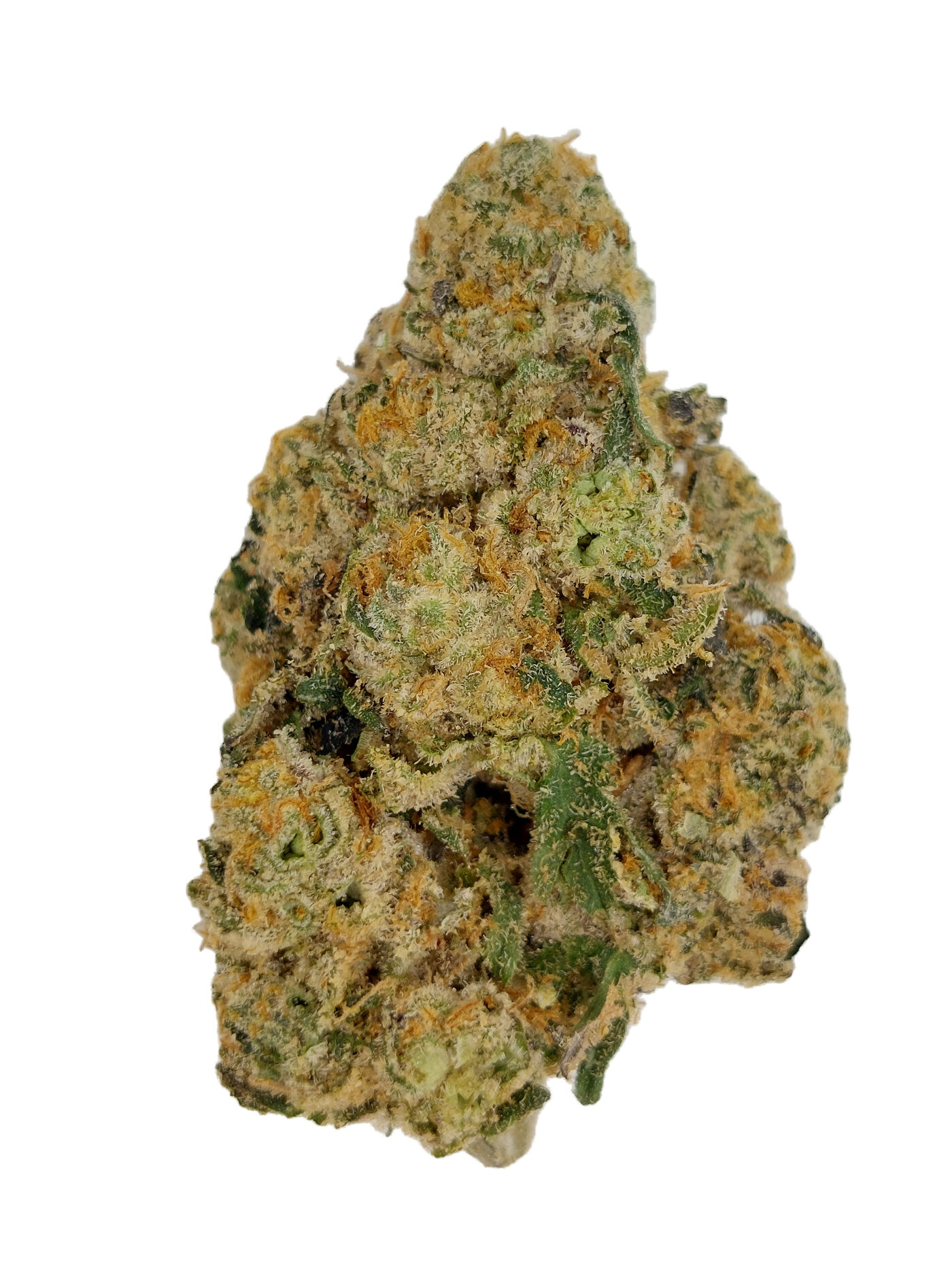
Alien OG is one of the more genuinely “exotic” entries in our indoor lineup, and its Alien OG THCA flower is in stock now at OilWell with same-day Houston delivery to neighborhoods like River Oaks, Memorial, Montrose, The Heights, the Galleria/Uptown corridor, Sugar Land, and Katy. It’s an OG Kush descendant built on lemon-pine fuel and a savory garlic-funk finish, and like every lot we stock it ships with its own batch certificate of analysis (COA) rather than a generic spec sheet. If you’re after top-shelf THCA flower in Houston with real pedigree, Alien OG earns the shelf space.
Lineage and genealogy
Alien OG was bred by Swerve of The Cali Connection in California’s Bay Area, an F1 cross of a Tahoe OG female with an Alien Kush male. Both parents pull from the OG Kush and Hindu Kush-Afghani side of the family, which is why the cross reads as a refined, resin-heavy OG rather than something fruity or candied.
- Tahoe OG is a celebrated OG Kush phenotype selected and stabilized from the OG Kush gene pool, known historically for a heavy, lemon-fuel OG character. It contributes the classic citrus-pine-gas backbone.
- Alien Kush descends from Alien Dawg (Alien Dog) x Las Vegas Purple Kush, carrying landrace Afghani genetics into the cross via the “Alien Technology” Afghani import line. It is generally credited with boosting trichome density and resin production.
- Both grandparents trace back to OG Kush and Hindu Kush-Afghani landrace stock, giving Alien OG deep Kush roots on both sides of the pedigree.
The result is a roughly balanced hybrid with a slight indica lean rather than a one-sided profile.
Typical terpene profile
Cannabis terpene results are phenotype-, harvest-, and lot-dependent; the table below shows a representative range for Alien OG and is not a guarantee for any specific batch. Always read the numbers on your jar’s COA. Reported totals here are typical of a limonene-forward OG chemotype.
| Terpene | Typical range (% by mass) | Commonly described aroma |
|---|---|---|
| D-Limonene | 0.4-0.8 | Citrus, lemon rind |
| Myrcene | 0.3-0.6 | Herbal, earthy |
| Beta-caryophyllene | 0.2-0.5 | Pepper, spice |
| Alpha-/beta-pinene | 0.15-0.30 | Pine, fresh forest |
Note that beta-caryophyllene is structurally distinct from most terpenes: it is a dietary sesquiterpene shown to bind the CB2 cannabinoid receptor in a 2008 study (Gertsch et al., 2008, PNAS, PMID 18574142). That is a documented receptor interaction, not a claim about what this flower does for you.
The flavor chemistry: where the garlic-funk comes from
Alien OG’s signature is its lemon-pine top note resolving into a savory, gassy, almost garlicky finish. That funk is the most misunderstood part of the profile. The garlic/gas/skunk character in cannabis is not produced by terpenes at all; it comes from a family of prenylated volatile sulfur compounds (VSCs), i.e. thiols. Oswald and colleagues identified this new family of cannabis VSCs and pinpointed 3-methyl-2-butene-1-thiol (prenylthiol) as a primary driver of the pungent, garlic-adjacent aroma (Oswald et al., 2021, ACS Omega, doi:10.1021/acsomega.1c04196), with follow-up work further mapping nonterpenoid volatiles behind exotic cannabis aromas (Oswald et al., 2023, ACS Omega, doi:10.1021/acsomega.3c04496). These sulfur compounds are chemically related to the ones that give garlic its smell, which is why “garlic funk” is a literal description of the chemistry.
Some phenos of Alien OG carry the nickname “Alien Banana” for a faint sweet-banana lift over the fuel. That banana note is an ester story, not a terpene one: isoamyl acetate is the ester most associated with banana aroma in plants and flavor chemistry. Esters and lactones, not terpenes, drive candy-and-dessert notes across cannabis generally.
Chemovar framing
Alien OG is a Type I chemovar, meaning it is THC-dominant (here as THCA before any heat is applied) with negligible CBD. As a chemotype it sits in the limonene-forward, OG-Kush family. Reported total THC for Alien OG generally lands in the high-teens to high-twenties: Leafly lists an average around 19% with a ceiling near 28%, so expect roughly a 19-28% range depending on pheno and cultivation. Treat that as a window, not a fixed grade.
Cultivation and terroir note
This is indoor-grown, top-shelf material. Indoor production lets the grower control light, humidity, and airflow to protect the volatile thiols and esters that define Alien OG’s nose, and to preserve trichome density inherited from the Alien Kush side. OG-family genetics like this one are notoriously demanding to grow well, which is part of why a clean, dense, properly cured Alien OG reads as exotic rather than ordinary. Dialed indoor conditions are what keep that lemon-fuel-into-garlic arc intact from harvest to jar.
Reported experience
Customers and published strain notes commonly describe Alien OG as a creeper: a delayed onset that builds into a bright, talkative cerebral lift before settling into a relaxed body feel, which is why many people slot it into an evening or unwind occasion rather than a productivity window. These are reported, subjective use-occasion descriptions only and not medical claims; individual experiences vary, and nothing here is intended to diagnose, treat, cure, or prevent any condition.
One myth, busted
“Garlic terpenes” is a contradiction in terms. The garlic, gas, and skunk notes in Alien OG are sulfur compounds (thiols/VSCs), not terpenes, per the Oswald 2021 work cited above. A related myth worth retiring: a single advertised THC percentage is not a fixed property of a strain. Cannabinoid content is a range that shifts with phenotype, harvest, and handling, which is exactly why we publish a per-batch COA instead of one headline number.
Anchor to the lot COA
Everything above describes Alien OG as a cultivar, not a promise about the specific jar you receive. Terpene percentages, the cannabinoid total, and the THCA-to-total-THC math are determined by the batch certificate of analysis (COA) for your lot. Decarboxylation converts THCA to delta-9 THC at a mass factor of 0.877 (the ratio of their molecular weights, 314.46/358.47), so total potential THC is approximately (THCA x 0.877) + any delta-9 already present. Read the COA on your purchase; the lot result governs, not this page.
Shop Alien OG
Ready to try it? Shop Alien OG indoor top-shelf THCA flower with same-day Houston delivery, available in 1/4 oz, 1/2 oz, and 1 oz, with our Buy-2-Get-1-Free offer on matching strain and size. Order before the daily cutoff for same-day delivery across the Houston metro.
Compliance note: This product has not been evaluated by the FDA and is not intended to diagnose, treat, cure, or prevent any disease. As of June 16, 2026, the Texas DSHS total-THC rule (25 TAC 300.101), which counts THCA toward the THC limit, is in effect; it was briefly paused and then reinstated on June 5, 2026, when the Texas 15th Court of Appeals dissolved the stay, and no court order currently blocks the rule, with a merits trial tentatively set for July 27, 2026. This is general information, not legal advice. Must be 21+.
Shop Alien OG THCA flower → — in stock now, same-day Houston delivery.
Cadillac Rainbow THCA flower is an indica-leaning, candy-meets-gas cultivar that lands in our Houston lineup as one of the more characterful purples we carry, available in stock now with same-day delivery across Houston. This is a deep look at where Cadillac Rainbow actually comes from, what the lab data tends to show, and how to read its lot certificate of analysis (COA) before you buy. As of June 16, 2026, it ships from our DSHS-licensed Houston operation to River Oaks, Memorial, West University Place, Tanglewood, Rice Village, the Galleria/Uptown, Montrose, The Heights, EaDo, the Energy Corridor, the Medical Center, Sugar Land, The Woodlands, Katy, Pearland, and Clear Lake.
Lineage and genealogy
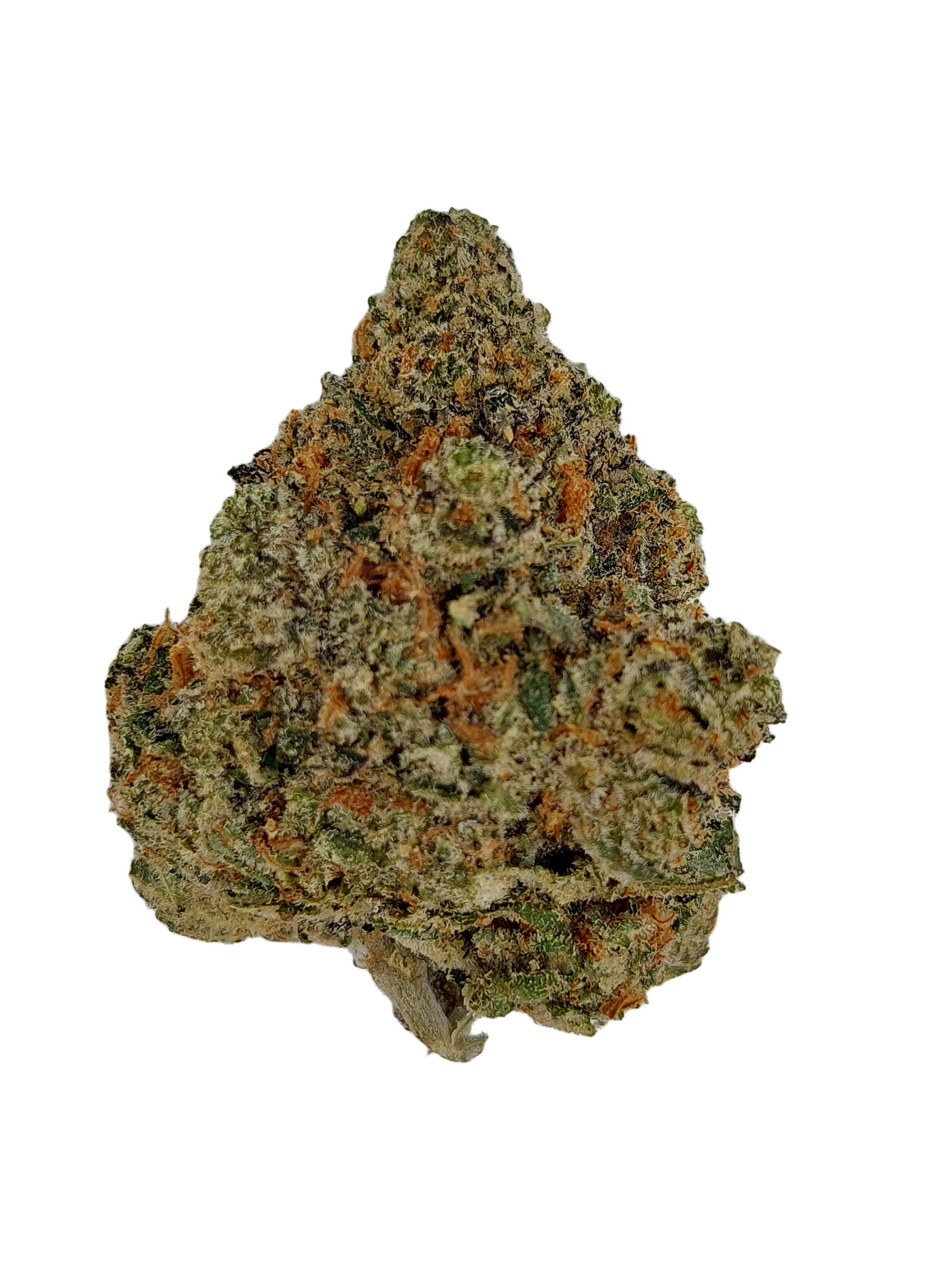
Cadillac Rainbow is a breeder-confirmed cross of Pure Michigan x Runtz, bred by Max Yields under the 3rd Coast Genetics banner in Michigan. This is worth stating plainly because several menu listings and aggregator pages get the parentage wrong; the Pure Michigan x Runtz cross is the lineage documented by the breeder and reflected in seed-bank catalogs such as SeedFinder and Neptune Seed Bank.
- Runtz is the well-known Zkittlez x Gelato hybrid, the source of Cadillac Rainbow’s candy-sweet, fruit-forward top notes.
- Pure Michigan is 3rd Coast Genetics’ flagship indica-dominant line, itself a cross of Oreoz x Mendo Breath. Oreoz brings dense, dessert-leaning structure; Mendo Breath contributes the heavier, gassy backbone.
The result is generally described as an indica-dominant hybrid, roughly 70/30 indica-to-sativa by the breeder’s framing. Note that indica/sativa percentages are marketing shorthand, not a measured chemical property; the chemovar data below is the more reliable signal.
Chemovar framing
By cannabinoid distribution, Cadillac Rainbow is a Type I chemovar (THC-dominant, with THCA as the principal cannabinoid in the raw flower and negligible CBD). Total THC on lab panels for this cultivar typically lands in the low-to-mid 20s percent, which is consistent with third-party strain reporting that places it “above 20%, sometimes past 24%.” Because this is raw, non-decarboxylated flower, that figure is computed from acidic THCA. The conversion is fixed chemistry: when THCA is heated it loses a carboxyl group (THCA to THC + CO2), and because THC is the lighter molecule the mass-based factor is 0.877 (314.46/358.47). Total THC is therefore calculated as (THCA x 0.877) + any delta-9 THC already present, with roughly a 12.3% mass loss on decarboxylation. Always read the THCA value and the calculated Total THC separately on the COA rather than assuming one number.
Terpene profile (typical, pheno- and lot-dependent)
The figures below are typical ranges for Cadillac Rainbow expressions and will vary by phenotype, harvest, and lot. They are presented as illustrative percentages of total terpene content, not a guarantee for any specific batch.
| Terpene | Typical range (% w/w) | Common aroma association |
|---|---|---|
| Limonene | 1.2 – 1.8 | Citrus, lemon-candy brightness |
| Beta-caryophyllene | 0.8 – 1.2 | Black pepper, peppery spice |
| Myrcene | 0.6 – 1.0 | Earthy, herbal, ripe-fruit depth |
| Linalool | 0.3 – 0.5 | Floral, faintly lavender |
| Humulene | trace – 0.3 | Hoppy, woody |
| Fenchol | trace – 0.2 | Camphor, pine-earth |
This profile is limonene-forward over a caryophyllene-myrcene base, which tracks with the citrus-and-gas character reported for the cultivar. Of note for anyone reading the science: beta-caryophyllene is the one terpene here with a documented direct receptor interaction. In a 2008 study, (E)-beta-caryophyllene bound the CB2 receptor as a functional agonist (Gertsch et al., 2008, PNAS, DOI 10.1073/pnas.0803601105; PMID 18574142). That is a molecular finding about the compound itself, not a claim about what this flower does for you.
Flavorant and VSC chemistry
Cadillac Rainbow’s profile reads as two layers: a sweet, candy-and-cherry top note over a gas-and-garlic base, finished with an unusual leather/vinyl, “restored-interior” phenolic note that suits the name. The chemistry behind each layer is distinct, and most of it is not driven by terpenes:
- The gas/garlic/skunk base is not a terpene at all. Those pungent, sulfurous notes come from prenylated volatile sulfur compounds (VSCs/thiols) such as 3-methyl-2-butene-1-thiol and related diprenyl sulfides, identified in cannabis by Oswald et al. (2021, ACS Omega, DOI 10.1021/acsomega.1c04196). A 2023 follow-up showed these minor, non-terpenoid volatiles are what actually separate “exotic” aromas from ordinary ones (Oswald et al., 2023, ACS Omega, DOI 10.1021/acsomega.3c04496). The same VSC family is responsible for the smell of garlic and durian.
- The candy and dessert top notes are largely esters and lactones, the volatile chemistry behind fruity, sweet, and creamy aromas across foods generally, inherited here from the Runtz/Zkittlez side.
- The leather/vinyl phenolic note falls into the phenolic and trace-volatile fraction rather than the standard monoterpene panel, which is why a lab terpene report rarely captures the full character of a flower like this.
Cultivation and terroir
Cadillac Rainbow is grown indoors for our top-shelf lots, which gives the consistent density and trichome coverage you expect at this tier. Its color story traces to the Pure Michigan side: 3rd Coast Genetics develops these lines in a cold Lake Michigan climate, and cool night temperatures during late flower drive expression of anthocyanin pigments, the same water-soluble plant pigments that turn blueberries and red cabbage purple. That is the source of Cadillac Rainbow’s deep purple coloration.
Reported experience
Customers most often describe Cadillac Rainbow as an evening, wind-down occasion rather than a daytime pick. These are reported user experiences and use-occasion notes only; individual experiences vary, and nothing here is a therapeutic claim or a statement that this product does anything for any health condition.
Myth-bust: the 37% potency claim
You may see Cadillac Rainbow advertised at numbers like 37% THC. Treat that as a lab-inflation outlier, not a real-world expectation. Genuine flower lots for this cultivar test in the low-to-mid 20s percent total THC; figures in the high 30s typically reflect sampling artifacts, lab-shopping, or inconsistent methods rather than what is in the jar. Two related myths worth retiring: purple does not mean more potent (the color is anthocyanin pigment from cold nights, fully independent of cannabinoid content), and the lineage is breeder-confirmed as Pure Michigan x Runtz despite some sources listing it incorrectly. And on the entourage question generally: the idea that a single terpene “boosts your high” is not established. Controlled work has found that common terpenes do not appreciably modulate CB1/CB2 signaling (Santiago et al., 2019; Finlay et al., 2020), and a 2024 review concluded broad terpene-cannabinoid synergy “remains unproven.” Specific interactions are real and documented, for example D-limonene reduced THC-induced anxiety in a controlled human trial (Spindle et al., 2024, Drug and Alcohol Dependence; PMID 38498958), but that is not the same as a blanket “this strain’s terpenes make it stronger” claim.
Anchor everything to the lot COA
The ranges and descriptions above are typical for the cultivar; they are not a substitute for the certificate of analysis on the specific lot you receive. Cannabinoid percentages, the calculated Total THC, and the terpene breakdown all shift batch to batch. The COA for your jar is the single source of truth for what you are actually buying, so read it for the actual THCA and Total THC values, the terpene panel, and the pesticide, microbial, and heavy-metal pass/fail results before you commit.
Compliance note: This information is provided as of June 16, 2026 and is not legal advice. Under Texas DSHS rule 25 TAC 300.101, hemp is assessed on a total-THC basis that counts THCA; that rule took effect March 31, 2026, was briefly paused, and was reinstated June 5, 2026 when the Texas 15th Court of Appeals dissolved the stay, with a merits trial tentatively set for July 27, 2026. No court order currently blocks the DSHS rule. These statements have not been evaluated by the FDA, and this product is not intended to diagnose, treat, cure, or prevent any disease.
Ready to buy Cadillac Rainbow THCA flower in Houston? Shop top-shelf, indoor-grown Cadillac Rainbow in 1/4 oz, 1/2 oz, and 1 oz, in stock now with same-day Houston delivery and our stackable Buy-2-Get-1-Free offer on matching strain and size. Order Cadillac Rainbow indoor top-shelf THCA flower for same-day Houston delivery.
Shop Cadillac Rainbow THCA flower → — in stock now, same-day Houston delivery.
Candy Fumez THCA flower is one of the marquee exotics in OilWell Cannabis’s new Houston drop, and it earns the slot honestly: a candy-sweet nose stacked over a loud, fuel-forward gas that most “candy” strains never deliver. Bred by Bloom Seed Co. as Zkittlez crossed with Sherbanger, this is a Type I, THCA-dominant chemovar built for the collector shelf. It is in stock now with same-day delivery across Houston, from River Oaks and Memorial to the Heights, Montrose, Sugar Land, and the Energy Corridor.
Lineage and genealogy
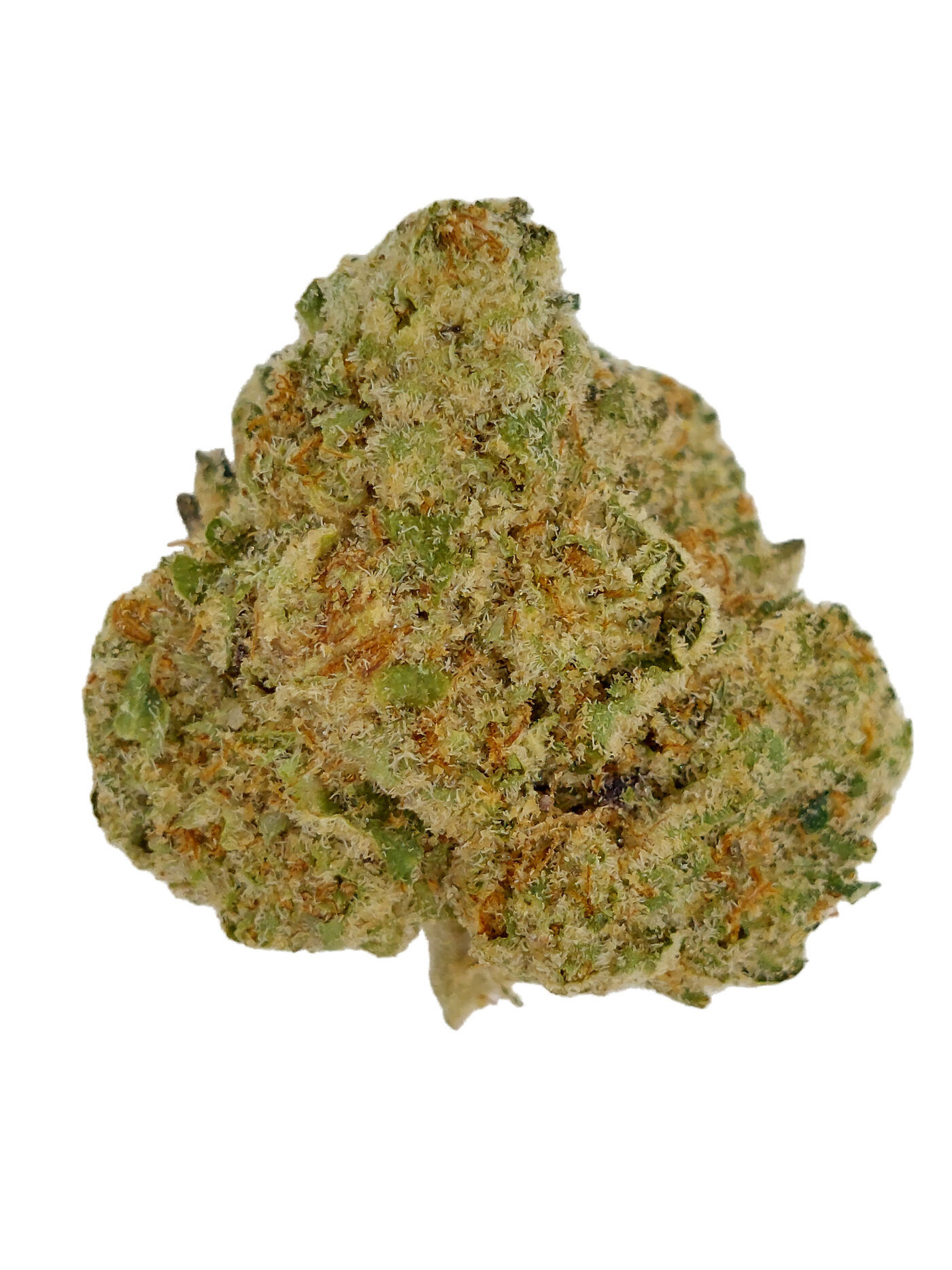
Candy Fumez is the work of Bloom Seed Co., developed in collaboration with Boston Roots Seed Co. The cross is Zkittlez (The Original Z) x Sherbanger, and each side does a distinct, traceable job in the final flower:
- The Original Z (Zkittlez cut, Dying Breed Seeds) — descends from Grape Ape x Grapefruit and carries the fruit-candy sweetness the “Candy” name points to. This is the ester-and-fruit half of the profile.
- Sherbanger (Sunset Sherbet x Headbanger) — Sunset Sherbet traces back through Girl Scout Cookies for a creamy, dessert-leaning base, while Headbanger (Sour Diesel x Biker Kush) brings the diesel and the loud, sulfurous “fumez.” Sherbanger is also where the documented bud density and heavy trichome coverage come from. The reported breeding intent was to introduce Sherbanger’s structure, yield, and resin into the Z line.
The “Fumez” naming sits within a wider Bloom Seed Co. line: Candy Fumez has itself been used as a parent in later releases such as Garlic Fumez (GMO Rootbeer x Candy Fumez), so the shared “Fumez” tag reflects a breeding family rather than identical genetics. Push the family tree back far enough and you reach foundational cultivars including Girl Scout Cookies, Sour Diesel, OG Kush, Grand Daddy Purple, and Skunk #1.
Terpene profile (typical, pheno- and lot-dependent)
The figures below reflect a commonly reported indoor expression. They are not a promise for any individual jar — terpene totals shift with phenotype, harvest timing, and cure, and the only number that describes the flower in your hand is on its lot COA. One grower’s lab on a candy-leaning cut logged limonene 0.6%, beta-caryophyllene 0.5%, and linalool 0.4%.
| Terpene | Typical range (% by wt.) | Sensory association |
|---|---|---|
| D-Limonene | 0.6–1.2 | Citrus, sweet rind |
| Beta-Caryophyllene | 0.4–0.8 | Pepper, spice |
| Linalool | 0.2–0.5 | Floral, soft funk |
| Myrcene | trace–0.3 | Herbal, earthy |
| Humulene / Ocimene | trace | Hoppy / sweet-herbal |
Flavorant and VSC chemistry
Two separate classes of volatiles explain why Candy Fumez reads as both candy and gas, and most of the loud part is not coming from terpenes at all.
The sweet, fruit-candy top note tracks to esters and lactones — volatile, fruit-associated aroma compounds inherited largely from the Zkittlez side. The pungent gas, garlic, and diesel underside is a different chemistry entirely. Oswald and colleagues identified a family of prenylated volatile sulfur compounds (VSCs/thiols) as the drivers of cannabis’s skunk-and-gas aroma, structurally analogous to the sulfur compounds in garlic (Oswald et al., 2021, ACS Omega, 6(47):31667–31676; PMID 34869990). A follow-up study found that these minor, non-terpenoid volatiles — not the headline terpenes — are what actually separate “exotic” cultivars from ordinary ones by smell (Oswald et al., 2023, ACS Omega; DOI 10.1021/acsomega.3c04496). In Candy Fumez, that VSC contribution arrives through Sherbanger’s diesel side, which is why the gas can punch above what the terpene table alone would predict.
Chemovar framing
Candy Fumez is a Type I (THCA-dominant) chemovar: cannabinoid content is overwhelmingly THCA with negligible CBD. “Chemovar” — chemical variety — is a more honest descriptor than the indica/sativa label here. While the strain is often cataloged as indica-leaning (roughly 60/40), that taxonomy says little about chemistry; the cannabinoid and volatile fingerprint on the COA is what defines the flower. Reported THCA on premium indoor runs of this cultivar commonly lands in the low-to-mid 20s percent, with the decarb-adjusted Total THC figure on the COA calculated as (THCA x 0.877) + delta-9 THC.
Cultivation and terroir note
Sherbanger contributes dense, resin-heavy bud structure, which makes airflow and a slow, controlled cure decisive for this cultivar — tight indoor nugs hold moisture and reward careful drying. Any purple or lavender tones you see are anthocyanin pigment expressed under cool finishing nights; color is a cosmetic response to temperature, not a marker of potency or quality.
Reported experience
This is a description of use-occasion and reported experiences from adult consumers, not a therapeutic or medical claim. Reviewers most often describe Candy Fumez as an evening or unwind-occasion flower, though, notably, experiences split — some report a brighter, more conversational daytime character. That split is not subjective noise; it has a genetic explanation (see below).
Myth-bust: the terpinolene-vs-limonene argument
Search Candy Fumez online and you will find a flat contradiction: some databases list it as terpinolene-dominant, while grower labs and other sources report it as limonene-dominant. Both camps are often right — about different plants. At least two distinct cuts circulate under the single name “Candy Fumez”: a brighter, terpinolene-forward expression that drinks more daytime, and a sweeter, limonene-and-linalool expression that leans relaxing and evening. There is no way to resolve which one you have from the name, the photos, or the reviews. The lot COA decides.
Anchor to the lot COA
Because two real phenotypes share this name, the strain name is a starting point, not a spec. The Certificate of Analysis tied to your specific lot is the authority on cannabinoid content (THCA and Total THC), the terpene breakdown, and the compliance and contaminant panels. Read the COA for the batch, not the marketing for the strain. Every OilWell lot ships with its COA available.
Provenance
Candy Fumez has competition pedigree: a California-grown cut took Best of the Rest at the Transbay Challenge V statewide finals in Los Angeles, October 2023, which is part of why the cultivar spread coast to coast as an exotic.
Shop Candy Fumez in Houston
Top-shelf, indoor-grown Candy Fumez THCA flower is in stock now at OilWell Cannabis, available in 1/4 oz, 1/2 oz, and 1 oz with same-day delivery across the Houston metro — River Oaks, Tanglewood, West University Place, Rice Village, the Galleria/Uptown, Katy, Pearland, and The Woodlands. Buy Candy Fumez THCA flower in Houston with same-day delivery, and check the linked lot COA before you order so you know exactly which cut you are getting.
Legal note, current as of June 16, 2026: the Texas DSHS total-THC rule (25 TAC 300.101), which counts THCA toward the THC limit, took effect March 31, 2026; after a brief pause it was reinstated June 5, 2026, when the Texas 15th Court of Appeals dissolved the stay. No court order currently blocks the DSHS rule, and a merits trial is tentatively set for July 27, 2026. This is general information, not legal advice. These statements have not been evaluated by the Food and Drug Administration. This product is not intended to diagnose, treat, cure, or prevent any disease.
Shop Candy Fumez THCA flower → — in stock now, same-day Houston delivery.
Cap City Kush THCA Flower
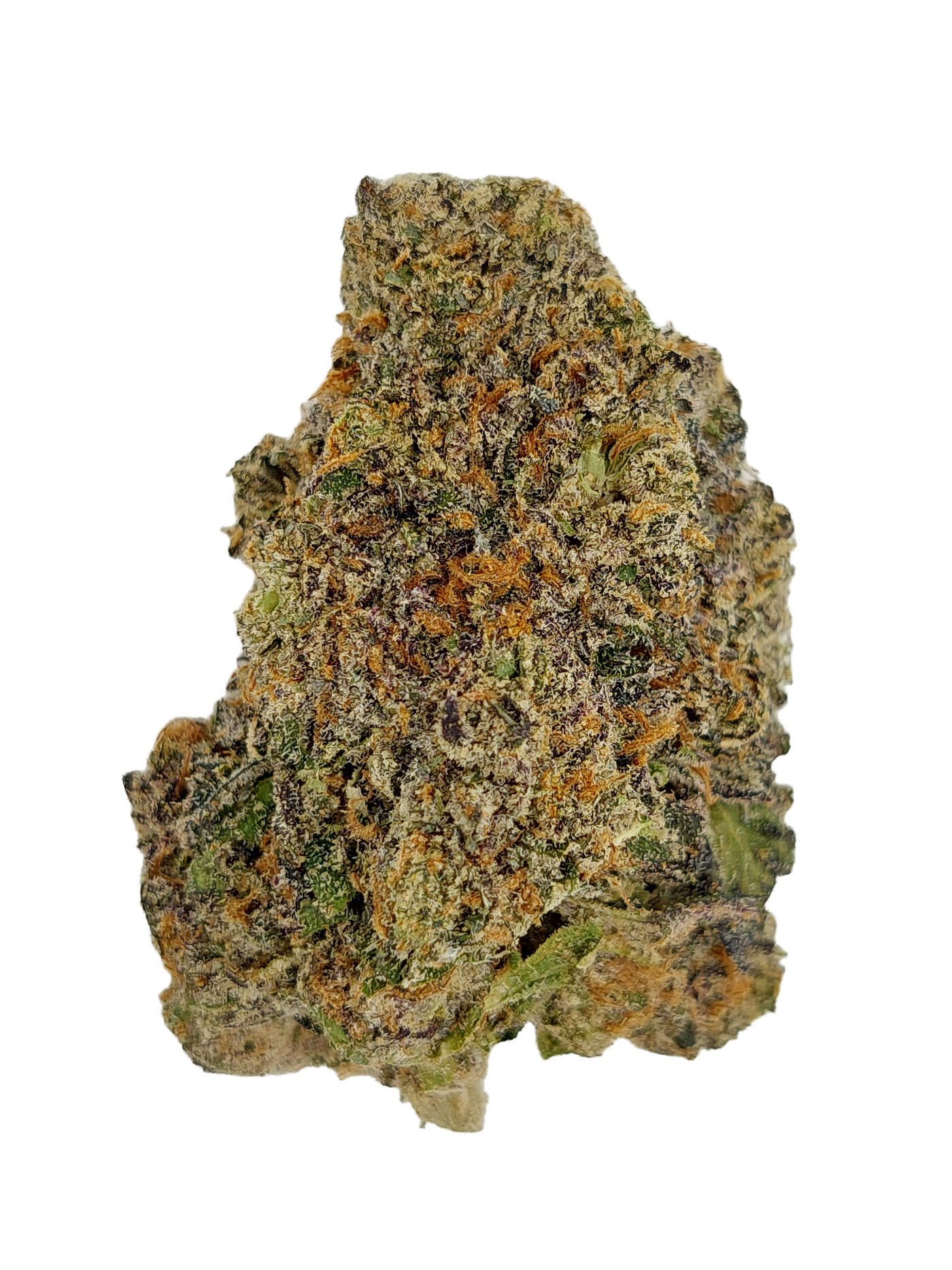
Cap City Kush THCA flower is a Type I, indica-leaning chemovar bred by Compound Genetics and phenohunted by Rainy City Exotics, and it is one of the loudest fruit-and-gas cultivars we carry at OilWell in Houston. It pairs a sweet grape-and-mint top note with a heavy backend of fuel, and it is in stock now for same-day delivery across the Houston metro. This page is the breeder-correct reference for the strain, including the lineage, lab-side flavor chemistry, and an honest read on what the lot COA actually tells you.
Lineage and genealogy
Cap City Kush is a cross of Khalifa Mintz x Grape Gasoline, developed under the Compound Genetics banner (founder Chris Lynch) and selected from seed by the pheno-hunting team at Rainy City Exotics. It is distributed and transported by Phinest Distribution Company, LLC. Tracing the family tree on both sides explains why the flower reads as fruit candy over a sulfur-gas core:
- Khalifa Mintz (Compound Genetics) = Khalifa Kush x The Menthol. This is the source of the cool, minty-herbal lift and a sharp OG-kush undertone.
- Grape Gasoline (Compound Genetics) = Grape Pie x Jet Fuel Gelato. Grape Pie itself is Cannarado Genetics’ Cherry Pie x Grape Stomper (the grape-candy and dark-fruit donor), while Jet Fuel Gelato is Gelato 45 x (High Octane OG x Jet Fuel G6), the line responsible for the diesel-and-fuel volume.
The practical takeaway: grape and mint esters sit on top, but the genetic backbone on the Grape Gasoline side is built for gas. That is the structure Phinest documents when it tags the cultivar “Fruity Gas.”
Terpene profile (typical)
The values below reflect the typical dominant terpenes reported for this cultivar. Cannabis terpene content is highly pheno-, harvest-, and lot-dependent, so treat these as a directional range, not a spec. Always read the specific batch COA for the jar you receive.
| Terpene | Typical range (% by mass) | Associated aroma descriptor |
|---|---|---|
| beta-Myrcene | 0.4–0.8% | Earthy, herbal, ripe-fruit |
| D-Limonene | 0.3–0.7% | Citrus, bright peel |
| beta-Caryophyllene | 0.3–0.6% | Peppery, warm-spice |
Pheno- and lot-dependent; ranges are typical, not guaranteed. Confirm against the batch COA.
Flavorant and VSC chemistry
Here is the part most strain pages get wrong. The grape-and-mint sweetness on Cap City Kush is driven largely by esters and lactones — the same class of fruit-and-candy aroma molecules found across dessert-leaning cultivars — not by the three terpenes above. Limonene contributes citrus brightness, but terpenes alone do not produce a “grape candy” note.
More importantly, the loud “gas” that defines this cultivar is not a terpene at all. The pungent fuel, skunk, and garlic character in modern high-potency cannabis comes from a family of prenylated volatile sulfur compounds (VSCs), or thiols. Oswald et al. (2021, ACS Omega, DOI 10.1021/acsomega.1c04196) used comprehensive two-dimensional gas chromatography to identify this VSC family and pinpointed 3-methyl-2-butene-1-thiol (prenylthiol) as the dominant odorant behind the skunk-gas note, with related compounds (diprenyl sulfide, diprenyl disulfide) carrying the garlic-adjacent, alliaceous edge. A 2023 follow-up by the same group (Oswald et al., 2023, ACS Omega) characterized a second VSC class tied to tropical aromas. So when this flower reads “gas,” that is sulfur chemistry layered under the ester-driven fruit — two separate aroma systems, not one terpene dial.
Chemovar framing
Cap City Kush is a Type I chemovar: THCA-dominant, with negligible CBD. “Type I/II/III” is the chemotype framework that classifies cannabis by its cannabinoid ratio rather than by the marketing labels “indica” or “sativa.” Reported lab potency for this cultivar tends to run high (30%+ total cannabinoids is commonly reported on the genetics side), but the only number that matters is the one on your specific lot’s certificate of analysis. Potency claims that are not tied to a batch COA are noise.
Cultivation and terroir
Phinest documents Cap City Kush as a forgiving, high-yielding plant with a roughly 60–63 day flowering window, described as “very easygoing and responsive” with the grower note to “not steer too hard for a tight finish.” It is also tagged “Washer” — breeder shorthand for genetics that perform at solventless/hash-rosin grade, meaning the trichome heads wash cleanly into ice-water hash. That resin-forward quality is exactly what makes a cultivar this gassy worth running as flower. Indoor cultivation, controlled drying, and a slow cure preserve both the volatile thiols and the lighter ester top notes, which are the first compounds to degrade in a rushed or over-warm finish.
Reported experience
Consumers commonly describe Cap City Kush as uplifting at the front, settling into a relaxed, full-body calm — an after-work or wind-down occasion rather than a get-things-done one. These are reported experiences, not effects we promise; individual response varies with tolerance, dose, and setting, and nothing here is a therapeutic claim.
Myth-bust: this is not Cap Junky, and the lineage is not “Cap Junky-style”
The single biggest error in the search results for this strain is genetic. Leafly and several aggregators describe Cap City Kush as carrying “Cap Junky-style lineage,” and the SERP routinely conflates three distinct cultivars — Cap City Kush, Cap N Kush, and Cap Junky. They are not the same plant. Cap Junky is Alien Cookies x Kush Mints #11, a Capulator and Seed Junky Genetics collaboration (also sold as Miracle Mints). Cap City Kush is Khalifa Mintz x Grape Gasoline, bred by Compound Genetics and hunted by Rainy City Exotics — a completely different pedigree with no Cap Junky parentage. We carry the breeder-correct cut and label it accordingly; if a menu tells you this strain descends from Cap Junky, it is repeating a cataloging error.
Anchor to the lot COA
Everything above describes the cultivar in general. The flower you actually receive is defined by its specific batch certificate of analysis. The COA, not this page and not the breeder’s averages, is the source of truth for total THC, the full terpene breakdown for that harvest, and pass results for pesticides, residual solvents, heavy metals, and microbials. Total THC is calculated as (THCA x 0.877) + delta-9 THC, where 0.877 (314.46/358.47) accounts for the carbon dioxide lost when THCA decarboxylates to THC. Read the lot COA before you judge potency or terpene loudness.
Shop Cap City Kush in Houston
Ready to try it? Shop OilWell’s indoor, top-shelf Cap City Kush THCA flower — in stock now in 1/4 oz, 1/2 oz, and 1 oz, with same-day delivery across Houston including River Oaks, Memorial, the Galleria/Uptown, Montrose, The Heights, Rice Village, West University Place, Sugar Land, Katy, and Pearland. Every order ships with its batch COA.
Compliance: This information is provided as of June 16, 2026, and is not legal or medical advice. These statements have not been evaluated by the Food and Drug Administration. This product is not intended to diagnose, treat, cure, or prevent any disease. Regarding Texas law, the DSHS total-THC rule (25 TAC 300.101) took effect March 31, 2026 and was reinstated June 5, 2026 when the Texas 15th Court of Appeals dissolved the stay; as of June 16, 2026, no court order currently blocks the DSHS rule, with a merits trial tentatively set for July 27, 2026.
Shop Cap City Kush THCA flower → — in stock now, same-day Houston delivery.
Cotton Candy THCA Flower in Houston
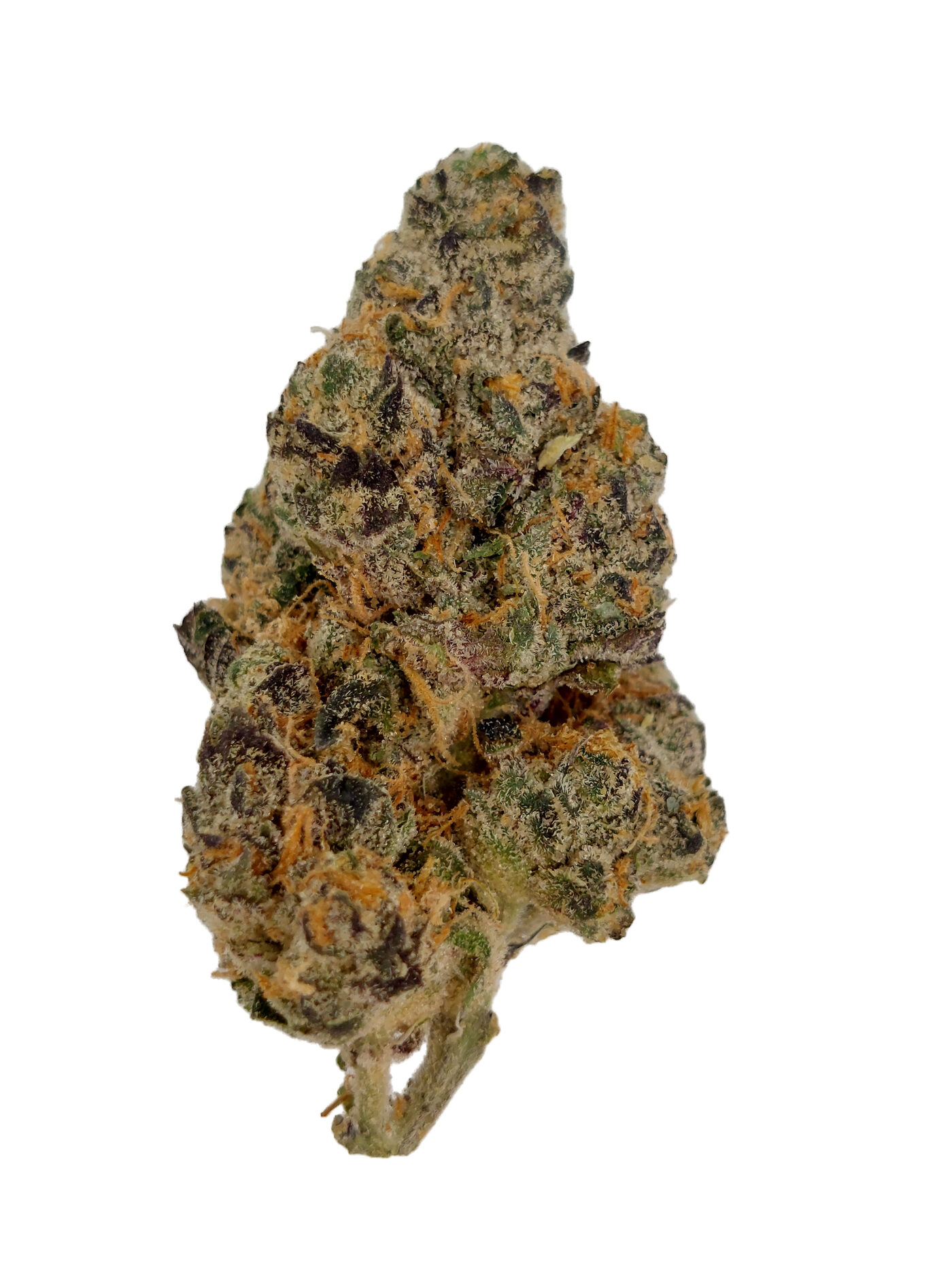
Cotton Candy THCA flower is the spun-sugar curveball of our indoor menu: a frosty, deep-green bud shot through with violet that smells like a county-fair concession stand crossed with a fresh punnet of berries. OilWell stocks this top-shelf lot now in Houston with same-day delivery across the metro, from River Oaks, Memorial, and West University Place to Sugar Land, Katy, Pearland, The Woodlands, and the Energy Corridor. Before you buy Cotton Candy THCA flower, here is the one thing most listings skip: “Cotton Candy” is a name two unrelated families share, and only the lab paperwork tells you which one is in the jar.
Lineage and Genealogy: One Name, Two Bloodlines
“Cotton Candy” is not a single cultivar. It is a shared name pinned to at least two genetically distinct lineages, which is exactly why the COA matters more here than on almost any other strain.
- The modern dessert cut (the frosty, violet-flecked expression that matches this lot) descends from Gelato x Birthday Cake and is most often described as a phenotype of Confetti Kush Cake #8. That pedigree explains the bakery-sweet, slightly gassy character: Gelato (itself Sunset Sherbet x Thin Mint GSC) contributes dessert-and-fuel notes, while Birthday Cake (Birthday Cake Kush) layers in vanilla-cake dough.
- The classic cut is a Delicious Seeds creation from Lavender x Power Plant. Lavender is a Skunk-heavy blend (Super Skunk, Big Skunk Korean, and an Afghani x Hawaiian line) that throws floral, purpling phenotypes; Power Plant traces to a South African sativa landrace later stabilized in the Netherlands for fast, reliable flowering. This older lineage skews floral-and-sweet rather than bakery-and-gas.
These are different plants with different chemistry that happen to wear the same marketing name. The frosty deep-green-and-violet bud in this jar matches the modern Gelato x Birthday Cake expression. As with any cultivar, the only way to confirm what you actually have is the batch lab report, not the name on the label.
Chemovar Framing: A Type I Cultivar
Cotton Candy is a Type I chemovar, meaning it is THCA-dominant with only trace CBD. Independent lab data for this cut typically lands in the ~17-27% THCA range depending on phenotype, harvest, and cure. “Type I” describes the cannabinoid ratio; it does not predict how an individual responds, and percentage on a label is a starting reference, not a promise. Your lot’s exact figures live on its Certificate of Analysis (COA).
Terpene Profile (Typical, Pheno- and Lot-Dependent)
The values below reflect commonly reported ranges for the modern Cotton Candy expression. Treat them as a fingerprint sketch, not a spec: terpene content shifts with phenotype, cultivation, harvest timing, and cure, and every batch is measured independently.
| Terpene | Typical Range (% w/w) | Common Aroma Association |
|---|---|---|
| D-Limonene | 0.3 – 0.7 | Citrus, sweet rind |
| Beta-Caryophyllene | 0.2 – 0.6 | Peppery, warm spice |
| Linalool | 0.1 – 0.3 | Floral, soft lavender |
Note that this terpene trio explains the citrus-floral-spice backbone, but it does not explain the headline “cotton candy” sweetness. That comes from a different chemical class entirely (see below).
The Flavor Chemistry: Why It Actually Smells Like Cotton Candy
The spun-sugar and berry character is real, and it is largely not a terpene phenomenon. Cannabis researchers have shown that the fruity, sweet notes many cultivars carry are driven by trace non-terpenoid volatiles, principally esters, present at concentrations far below the dominant terpenes yet with outsized aromatic impact. Oswald and colleagues reported that minor non-terpenoid compounds, including esters such as n-propyl hexanoate, are key drivers of the aroma differences in exotic cannabis varieties (Oswald et al., 2023, ACS Omega, 8(42):39203-39216, DOI 10.1021/acsomega.3c04496). Esters of this type are the same chemical family responsible for the smell of blueberry and strawberry in fruit, which is why the berry-and-candy impression reads as genuinely fruit-like rather than merely “sweet.”
Layered on top, the Gelato side of this lineage contributes bakery-style lactones and vanillin-type notes that round the profile toward vanilla cake and frosting. Where a faint gassy or skunky edge appears, that is a separate chemistry again: prenylated volatile sulfur compounds (VSCs/thiols), not terpenes, are the molecules behind gas, garlic, and skunk in cannabis (Oswald et al., 2021, ACS Omega, 6(47):31667-31676, DOI 10.1021/acsomega.1c04196). So the full Cotton Candy impression is a three-part stack: esters for the candy-berry top note, lactones and vanillin for the bakery middle, and a touch of VSCs for the faint fuel underneath.
Cultivation and Terroir Note
This is an indoor lot, which is why the trichome frost is dense and the bud structure is tight. The violet you see is anthocyanin pigment, a color compound the plant expresses when cool nighttime temperatures during late flower favor its accumulation. It is worth being blunt about a persistent misconception: purple color is a pigment story, not a potency story. The violet tells you something about the finish environment, not about how strong the flower is. Indoor environmental control, careful harvest timing, and a slow cure are what preserve both the delicate ester top notes and the trichome heads on a cut like this.
Reported Experience
Customers describe Cotton Candy as a soft, cheerful lift that eases into relaxed body comfort, which is why many reach for it as a social or unwind-evening selection. This reflects subjective, self-reported use-occasion impressions only. It is not a therapeutic claim, individual responses vary widely, and nothing here is intended to diagnose, treat, cure, or prevent any condition.
Myth-Bust: “Cotton Candy Is One Strain”
This is the big one, and it is false. As covered in the lineage section, “Cotton Candy” is a name shared by unrelated genetics: a modern Gelato x Birthday Cake dessert cut and a classic Lavender x Power Plant cut, among other regional uses. Because cannabis cultivar names are not standardized or trademarked across breeders, the name on a jar cannot tell you what is inside it. Only the COA lineage documentation and the measured terpene fingerprint can confirm which Cotton Candy you actually have. Buying on name alone is how two completely different plants end up in the same shopping cart.
Anchor Everything to the Lot COA
Every figure on this page, cannabinoid percentages, terpene ranges, and the lineage itself, is a typical reference for this cultivar, not a guarantee for your specific jar. The authoritative document is the Certificate of Analysis for the exact lot you receive: it states that lot’s measured THCA, total THC, terpene breakdown, and passing contaminant and heavy-metal screens. If a number on the label and a number on the COA disagree, the COA is the source of truth. We publish the lot COA so you can verify before and after purchase.
A Quick Note on Cannabinoid Interactions
You will see Cotton Candy’s terpenes credited online with “boosting the high” through the entourage effect. Precision matters here. A few specific interactions are genuinely supported: beta-caryophyllene binds the CB2 receptor as a dietary cannabinoid (Gertsch et al., 2008, PNAS, PMID 18574142), and vaporized D-limonene selectively reduced THC-induced anxiety in a controlled human trial (Spindle et al., 2024, Drug and Alcohol Dependence, PMID 38498958). What is not established is the sweeping claim that this strain’s terpene mix uniformly amplifies potency; controlled work has found that common terpenes do not directly activate or modulate the CB1/CB2 receptors the way THC does, and broad “terpenes make it stronger” assertions remain unproven. We lead with what the evidence supports and flag the rest as open questions.
Buy Cotton Candy THCA Flower in Houston
This indoor, top-shelf Cotton Candy lot is in stock now with same-day Houston delivery and our stackable Buy-2-Get-1-free offer on matching strain and size. Shop Cotton Candy indoor top-shelf THCA flower and review this lot’s COA before you buy.
Legal and Safety Disclosures
As of June 16, 2026, the Texas DSHS total-THC rule (25 TAC 300.101), which counts THCA toward the total-THC limit, is in effect: it took effect March 31, 2026, was briefly paused, then reinstated June 5, 2026 when the Texas 15th Court of Appeals dissolved the stay. No court order currently blocks the rule, and a merits trial is tentatively set for July 27, 2026. This is general information, not legal advice; consult a qualified attorney about your situation. These statements have not been evaluated by the Food and Drug Administration. This product is not intended to diagnose, treat, cure, or prevent any disease. Must be 21+.
Shop Cotton Candy THCA flower → — in stock now, same-day Houston delivery.
Garlic Juice THCA flower is the purest savory-thiol specimen in the OilWell catalog: a Type I, indica-dominant cultivar from Oni Seed Co that crosses GMO (Garlic Cookies) with Papaya, fusing roasted-garlic umami over tropical nectar. The name is literal — one word per parent. Our current lot tested at 29.19% THCa (roughly 25.6% active THC after decarboxylation), and it is in stock now for same-day delivery across Houston, from River Oaks and Memorial to The Heights, Montrose, the Energy Corridor, Sugar Land, and Katy.
Lineage and genealogy
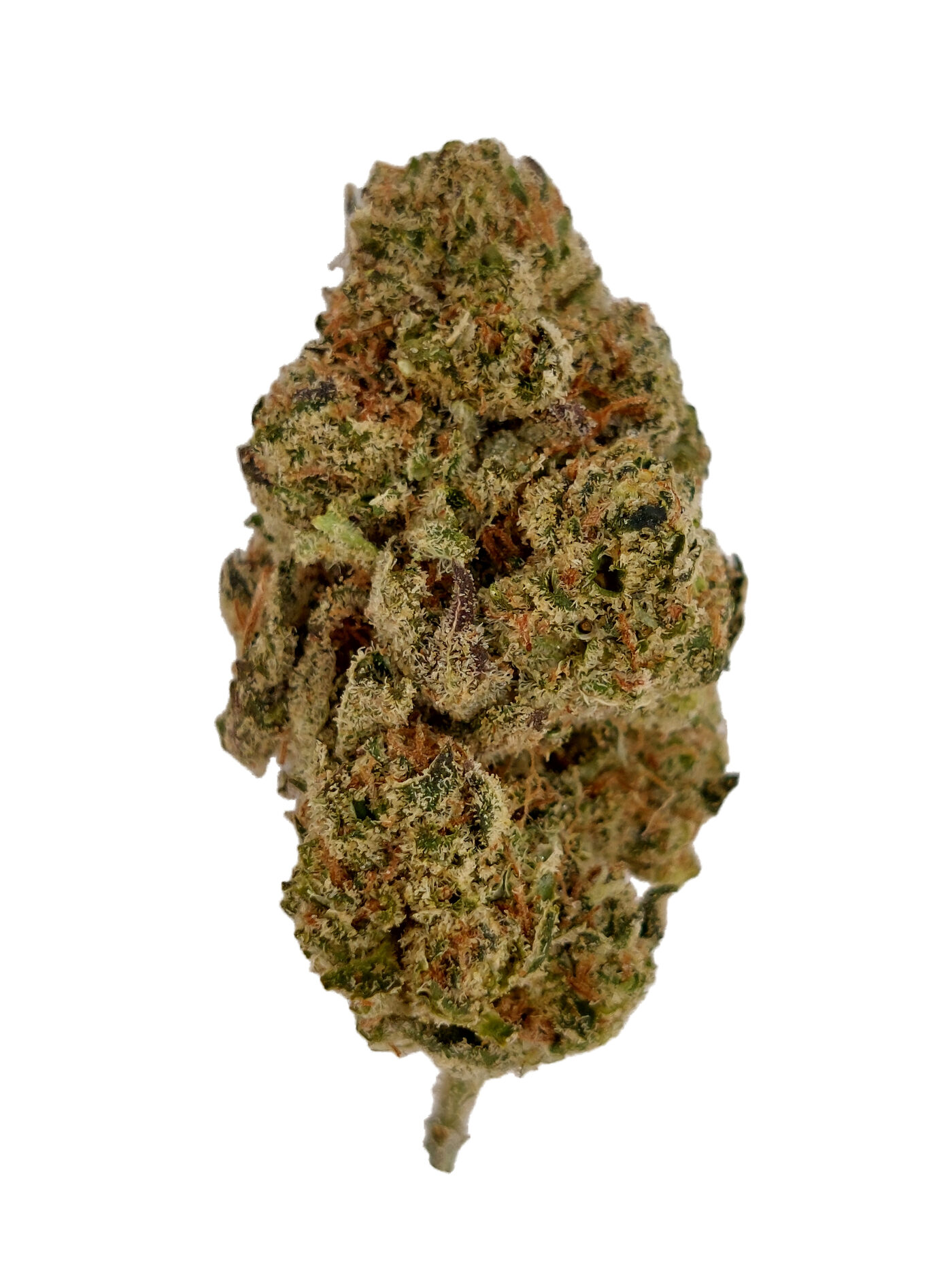
Garlic Juice is an indica-dominant cross (reported around 70/30 indica/sativa) of GMO × Papaya. Each parent is itself a well-documented line, and the two sit at opposite ends of the aroma spectrum — which is precisely the point of this pairing.
- GMO (Garlic Cookies) — a cross of Chemdawg D × GSC (Forum cut), attributed to Mamiko Seeds and popularized circa 2017–2019. GMO is the reference cultivar for savory, garlic-onion-coffee pungency; that “garlic” descriptor is no marketing flourish, it is a measurable sulfur-compound signature inherited from the Chemdawg side. (The “GMO” name is a nickname, not a statement about genetic engineering — dispensaries often relabel it “Garlic Cookies.”)
- Papaya — bred by Nirvana Seeds from Citral #13 × Ice. Citral, a Pakistani indica selected for intense citrus-lemon aroma and heavy resin, supplies the tropical-fruit terpene base and compact structure; Ice (a multi-way Afghan/Skunk/Northern Lights indica) contributes trichome density and resin. Papaya brings the papaya-melon-citrus sweetness.
So the genealogy reads: (Chemdawg D × Forum GSC) × (Citral × Ice). The GMO side donates the savory thiol load; the Papaya side donates the tropical-fruit ester and fruity-thiol load. Garlic Juice is the recurring phenotype that holds both at once.
Terpene profile (typical, this lot)
Garlic Juice runs a limonene-led terpene profile that, on paper, reads more citrus than garlic — a useful reminder that the garlic character is not a terpene at all (more on that below). The figures below are from the current lot’s certificate of analysis and are pheno- and lot-dependent; treat them as a snapshot, not a fixed spec.
| Terpene | Typical (this lot) | Common aroma association |
|---|---|---|
| D-Limonene | ~1.00% (dominant) | Citrus, lemon-orange peel |
| β-Myrcene | ~0.27% | Herbal, earthy, ripe-fruit |
| Linalool | ~0.17% | Floral, soft spice |
Notably, this is a Type I chemovar (THC-dominant) that also carries an appreciable CBG fraction, reported around 1–2% on recent lots — higher than most THCA flower, and a detail worth reading off your specific COA rather than assuming.
Why it smells like garlic: the VSC chemistry
The roasted-garlic, onion, and umami notes that define Garlic Juice do not come from terpenes. They come from volatile sulfur compounds (VSCs) — specifically a family of prenylated thiols first characterized in cannabis by Oswald and colleagues. In their 2021 work, 3-methyl-2-butene-1-thiol (prenylthiol) correlated most strongly with the pungent, skunk-gas aroma of high-potency cultivars (Oswald et al., 2021, ACS Omega, 6(47):31667, DOI 10.1021/acsomega.1c04196).
Their 2023 follow-up resolved the savory-versus-tropical split that Garlic Juice embodies. The alliaceous (garlic/onion) notes were attributed to diprenyl sulfide and diprenyl disulfide, while a separate class of fruity thiols — 3-mercaptohexanol, 3-mercaptohexyl acetate, and 3-mercaptohexyl butyrate — produced tropical, citrus, and passionfruit/grapefruit nuances; sweet and candy facets were tied to esters and related flavorants (Oswald et al., 2023, ACS Omega, 8(43), DOI 10.1021/acsomega.3c04496). Mapped onto this strain: the garlic thiols track the GMO parent, the tropical-fruit thiols and esters track the Papaya parent. The name describes the chemistry.
Chemovar framing
For Garlic Juice, the classic indica/sativa label is less informative than its measured chemistry. It is best read as a Type I, limonene-dominant chemovar with a distinctive dual VSC signature — savory prenyl sulfides layered over fruity hexanethiols — plus a notable CBG fraction. That combination, rather than a leaf-shape category, is what makes this lot recognizable in the jar.
Cultivation and terroir
This is indoor, top-shelf flower. GMO-line genetics are resin-heavy and slow to finish, and the sulfur and thiol volatiles that define the aroma are fragile — they degrade with heat, light, and oxygen. Cured and stored well (cool, dark, sealed, away from humidity swings), Garlic Juice holds its pungency; mishandled, the garlic top-notes are the first thing to fade. Houston’s heat and humidity make airtight, climate-stable storage especially worth it.
Reported experience
Customers most often describe Garlic Juice as an evening or wind-down selection. This is a use-occasion note drawn from reported experiences, not a therapeutic claim — individual responses vary with tolerance, dose, and setting, and nothing here is intended to diagnose, treat, cure, or prevent any condition.
Myth-bust: the potency-inflation problem
You will see Garlic Juice listed elsewhere at 31–36% THC. Treat those numbers skeptically. Real, properly reported lots of this cultivar land around 29% THCa — which is exactly what our current COA shows (29.19% THCa, ~25.6% active after decarboxylation). Headline percentages above the low-30s are typically the product of cherry-picked sampling or rounding the THCa figure as if it were active THC. A second, separate myth worth correcting: some listings give Garlic Juice’s lineage as “GMO × Tropicana.” That is incorrect — the breeder cross is GMO × Papaya.
Anchor to your lot’s COA
Cannabis is an agricultural product, and every harvest differs. The terpene percentages, the ~29% THCa, the 0.877 decarboxylation factor that yields the ~25.6% active figure, and the CBG fraction above all describe the specific lot tested — not a permanent specification. Always read the batch-matched certificate of analysis for the exact jar you receive; that document, not this page, is the authoritative source for what is in your flower.
Buy Garlic Juice THCA flower in Houston
Want the purest garlic-thiol expression in the catalog, tropical nectar underneath? Shop Garlic Juice indoor top-shelf THCA flower — in stock now, available in 1/4 oz, 1/2 oz, and 1 oz, with same-day delivery across Houston and the surrounding metro.
Legal note (as of June 16, 2026): Texas DSHS’s total-THC rule (25 TAC 300.101), which counts THCa toward the THC total, took effect March 31, 2026; it was briefly paused and then reinstated June 5, 2026 when the Texas 15th Court of Appeals dissolved the stay. No court order currently blocks the DSHS rule, and a merits trial is tentatively set for July 27, 2026. This is general information, not legal advice. These statements have not been evaluated by the FDA; this product is not intended to diagnose, treat, cure, or prevent any disease.
Shop Garlic Juice THCA flower → — in stock now, same-day Houston delivery.
Gas Basket THCA Flower in Houston
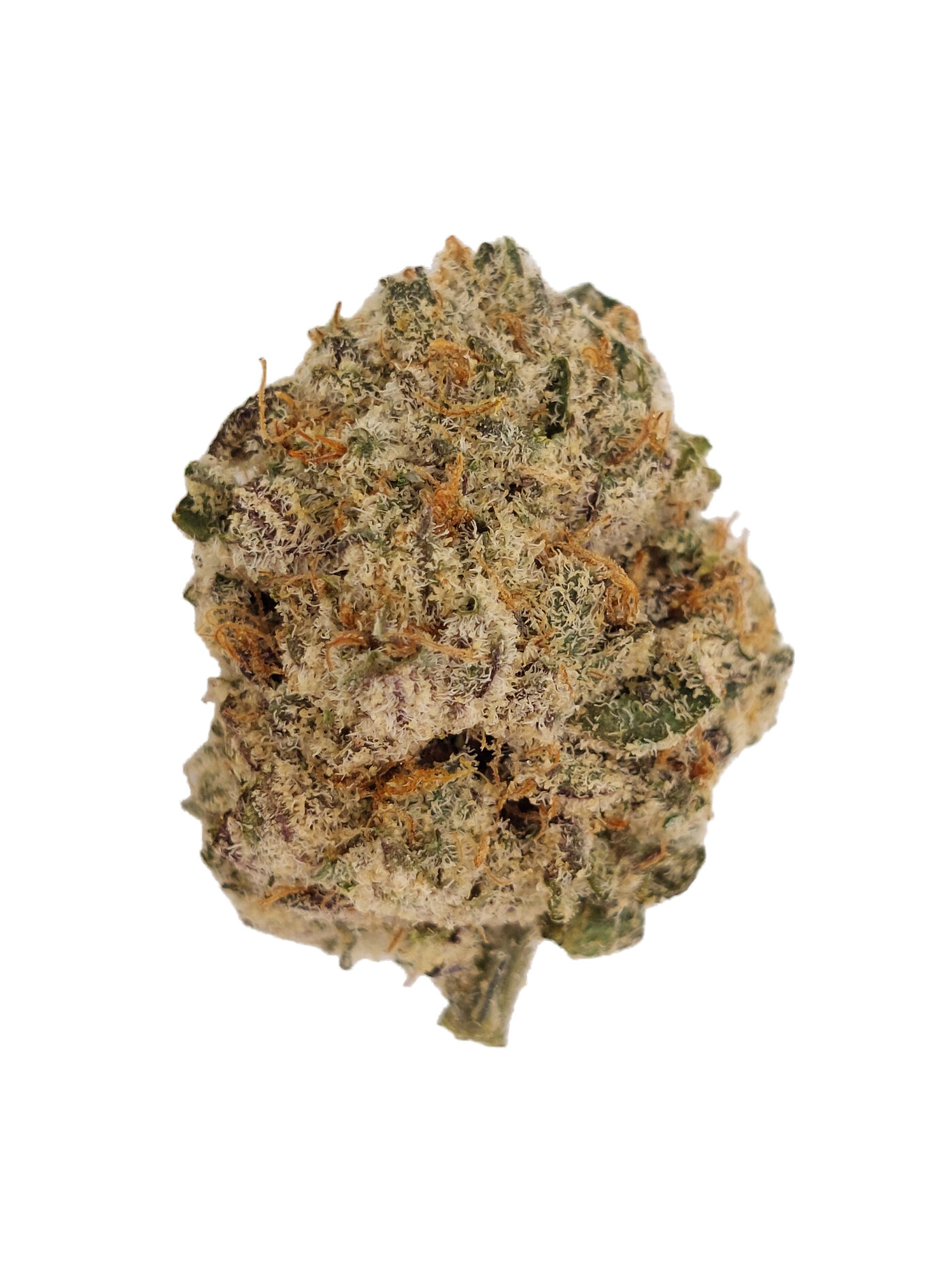
Gas Basket is the rare cross engineered to argue with itself: kerosene and diesel on one side of the lineage, cinnamon-roll dessert and dairy funk on the other, fused into a single indoor-grown chemovar. Our Gas Basket THCA flower is a Type I, terpene-loaded indica-dominant hybrid that runs genuinely high on total terpenes, and it is in stock now for same-day delivery across Houston. Order by the cutoff and a courier can reach River Oaks, Memorial, the Galleria, Montrose, The Heights, Rice Village, West University Place, Tanglewood, Sugar Land, Katy, Pearland, The Woodlands, the Energy Corridor, the Medical Center, EaDo, and Clear Lake the same day.
Lineage and Genealogy
Gas Basket was bred by Exotic Genetix, with the definitive flowering cut selected and popularized by LUVLI out of Portland. It is a deliberate “gas meets dessert” pairing of two heavyweight modern lines:
- Gary Payton (the “Gas” half) — a Cookies-family hybrid built from Snowman (a celebrated Girl Scout Cookies phenotype) crossed with The Y. Gary Payton is the source of the loud fuel-and-pepper character, and it typically leans caryophyllene-forward.
- Bakers Dozen (the “Basket” half) — an Exotic Genetix dessert cross of Milk & Cookies (Cookies & Cream x Triple OG) and Rainbow Chip (Sunset Sherbert x Mint Chocolate Chip). This is where the vanilla, honey, cinnamon, and creamy dairy notes enter the family tree.
The name itself maps the cross: Gas from Gary Payton, Basket from the Bakers Dozen “basket of baked goods.” The result is roughly 70/30 indica-dominant, and it reads on the nose like cinnamon rolls splashed with gasoline.
Typical Terpene Profile
Gas Basket is notable for genuinely high total terpenes — frequently in the 2.6–2.9% range, which is high even among modern boutique indoor flower. The figures below are typical ranges and are pheno- and lot-dependent; the certificate of analysis (COA) for your specific batch is the only authoritative source.
| Terpene | Typical range (% w/w) | Commonly described as |
|---|---|---|
| Beta-caryophyllene | 0.6–1.0% | Peppery, spicy, woody |
| Myrcene | 0.5–0.9% | Earthy, ripe, herbal |
| Limonene | 0.4–0.8% | Citrus, bright |
| Total terpenes | 2.6–2.9% | — |
One precision note that matters for Gas Basket specifically: the terpenes above explain the spice, the earthiness, and the citrus — but they do not explain the “gas.” That comes from a separate class of molecules entirely.
The Flavor Chemistry: Why the “Gas” Isn’t a Terpene
The kerosene/diesel/skunk dimension of Gas Basket is not produced by terpenes at all. In a 2021 study, Oswald and colleagues used comprehensive two-dimensional gas chromatography to identify a family of prenylated volatile sulfur compounds (VSCs) in cannabis — thiols and sulfides — and reported that 3-methyl-2-butene-1-thiol was the most abundant VSC in the cultivars their sensory panel rated most pungent (Oswald et al., 2021, ACS Omega, 6(47):31667, DOI 10.1021/acsomega.1c04196, PMID 34869990). These sulfur compounds, not terpenes, are what drive the fuel-and-skunk character. The same research group reported additional cannasulfur compounds in follow-up work (Oswald et al., 2023, ACS Omega).
The “Basket” half of the aroma comes from a different chemical toolkit again: the vanilla, honey, and cinnamon-roll sweetness is associated with esters and lactones, while the creamy dairy/cheese funk reflects that dessert-lineage volatile mix. So the full Gas Basket nose is three independent chemical stories stacked together — terpenes (spice, earth, citrus), VSCs (gas), and esters/lactones (dessert).
Chemovar Framing
By the standard chemotype system, Gas Basket is a Type I chemovar — THCA-dominant, with negligible CBD. Reading it as a chemovar rather than as a marketing “indica” label is more useful: the experience is shaped by the interplay of a high total-terpene load (caryophyllene-led, with myrcene and limonene), a meaningful VSC/sulfur fraction, and the cannabinoid content of the specific lot. Two grows of the same genetics can diverge noticeably on exactly these axes, which is why the COA — not the name — is the spec sheet.
Cultivation and Terroir
Gas Basket is an indoor cultivar by design; the LUVLI cut is selected for indoor expression, where controlled light, temperature, and humidity preserve the volatile sulfur compounds and the delicate ester/lactone sweet notes that an outdoor environment tends to degrade. Bakers Dozen-line genetics in this family commonly finish flowering around 56–63 days. Careful, slow curing matters here more than usual: the thiols responsible for the “gas” are fragile and volatile, and a hot or rushed cure can quietly strip the loudest part of the profile.
Reported Experience
Consumers commonly describe Gas Basket as a giggly, appetite-forward head-lift that settles into body relaxation — an evening or unwind-at-home use occasion rather than a daytime-task strain. These are reported experiences only, vary by individual and by lot, and are not medical or therapeutic claims. Nothing here is intended to diagnose, treat, cure, or prevent any condition.
Myth-Bust: “Is It Gas or Is It Dessert?”
A frequent point of confusion is that some Gas Basket batches smell more like fuel and others more like cinnamon dessert — and shoppers assume that means inconsistent quality or that one pheno is “stronger.” Neither is true. The gas-versus-dessert split is pheno-dependent by design: this cross deliberately carries two divergent aromatic directions (the Gary Payton fuel line and the Bakers Dozen dessert line), so different phenotypes simply lean one way or the other. Potency, meanwhile, stays consistent and un-inflated — typically around 22–26% total cannabinoids regardless of which aromatic direction a given pheno expresses. Aroma direction and potency are independent variables.
While we’re correcting myths: the popular claim that myrcene “opens the blood-brain barrier” or that eating a mango meaningfully boosts your high has no human evidence behind it. And although the entourage effect is real for specific, documented interactions — beta-caryophyllene binds the CB2 receptor (Gertsch et al., 2008, PNAS, PMID 18574142), and vaporized D-limonene selectively reduced THC-induced anxiety in a controlled human trial (Spindle et al., 2024, Drug Alcohol Depend., 257:111267, PMID 38498958) — the broader idea that a high terpene number automatically makes flower “stronger” remains unproven. Reviews have found that common terpenes do not appear to directly modulate CB1/CB2 activity (Santiago et al., 2019; Finlay et al., 2020), and a 2024 review characterized the blanket entourage claim as “remains unproven” (Andre et al., 2024). Gas Basket’s high terpene load makes it loud and characterful; it does not, on its own, make it stronger.
Anchor to the Lot COA
Every figure on this page — terpene percentages, total terpenes, and the 22–26% potency band — is a typical range, not a guarantee for any individual unit. Cannabis is an agricultural product and varies batch to batch. The certificate of analysis (COA) for your specific lot is the single source of truth for cannabinoid potency, terpene content, and contaminant/pesticide pass results. Match the batch ID on your package to the COA, confirm the total-THC and total-terpene numbers there, and let that document — not this description — set your expectations.
Legal Note (as of June 16, 2026)
The Texas DSHS total-THC rule (25 TAC 300.101), which counts THCA toward the THC total, took effect March 31, 2026; it was briefly paused and then reinstated June 5, 2026 when the Texas 15th Court of Appeals dissolved the stay. As of June 16, 2026, no court order currently blocks the DSHS rule, with a merits trial tentatively set for July 27, 2026. This is general information and is not legal advice. These statements have not been evaluated by the Food and Drug Administration. This product is not intended to diagnose, treat, cure, or prevent any disease.
Shop Gas Basket THCA Flower
Ready to try one of the most aromatically complex cuts in our lineup? Buy Gas Basket top-shelf indoor THCA flower in Houston with same-day delivery — available by the quarter-ounce, half-ounce, or ounce, with current-lot COAs on the product page. Same strain and size qualifies for our stackable Buy-2-Get-1-Free offer.
Shop Gas Basket THCA flower → — in stock now, same-day Houston delivery.
OG Kush THCA flower is the strain that defined the modern “gas” category, and this lot is part of our exotic indoor menu in Houston with same-day delivery across the metro. It is a Type I, THCA-dominant chemovar built on a caryophyllene-forward terpene profile and the pungent diesel-skunk character that made OG Kush a benchmark cut for more than two decades. What follows is the verifiable story of the plant, its measured chemistry, and an honest read of what the science does and does not support.
Lineage and genealogy: genuinely disputed
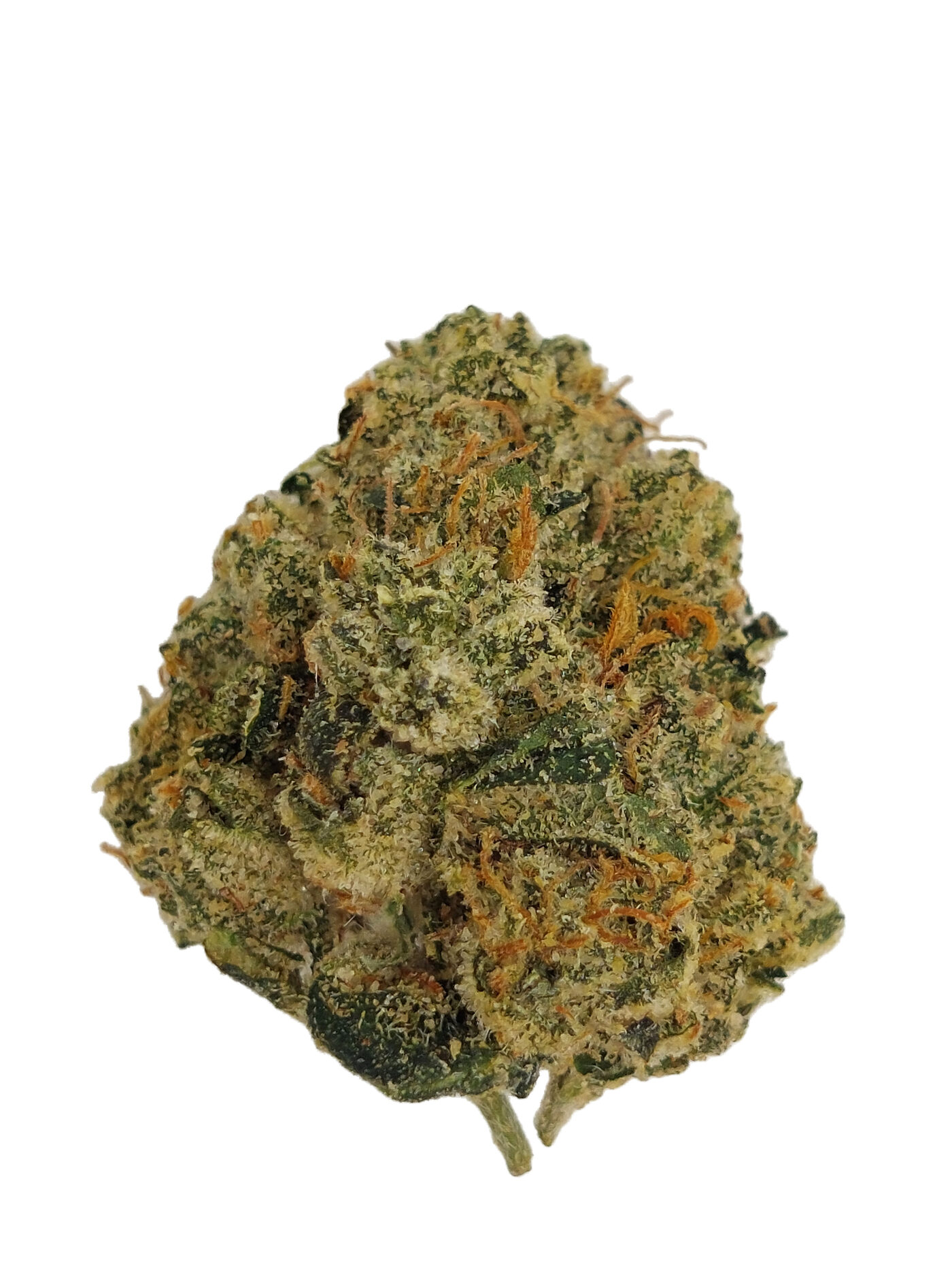
OG Kush’s true parentage has never been documented in a verifiable breeding record, and reputable strain databases describe its lineage as “supposed” rather than confirmed. We present the three accounts most commonly cited and claim none as settled fact:
- Chemdawg x Lemon Thai x Hindu/Pakistani Kush — the most widely repeated three-way account.
- Chemdawg x Hindu Kush — a simpler two-parent cross.
- A select Chemdawg phenotype (bagseed selection) — the view that OG Kush is not a cross at all but a standout phenotype pulled from Chemdawg seed.
The historical thread is better attested than the genetics. The cut traces to Florida in the early 1990s, where it circulated under the nickname “Kryptonite,” reached Los Angeles around 1996, and was grown, preserved, and spread by Josh Del Rosso (“Josh D”). Even the meaning of “OG” is unresolved, with “Original,” “Original Gangster,” “Ocean Grown,” and “OverGrow(n)” all in circulation; Del Rosso has said it meant “Original,” to distinguish the authentic Kush from imitators in the LA market. As a flowering plant, OG Kush is an indica-leaning hybrid, though its marketed “type” label drifted from sativa-leaning toward indica-leaning over roughly two decades of catalog descriptions, a useful reminder that strain-name taxonomy is marketing, not biology.
Terpene profile (typical ranges)
The values below are representative ranges for OG Kush expressions; the actual figures are pheno- and lot-dependent and only the COA for the specific batch you receive is authoritative. Caryophyllene typically leads, which is unusual among legacy “loud” strains and central to OG Kush’s identity.
| Terpene | Typical range (% by mass) | Reported aroma note |
|---|---|---|
| Beta-caryophyllene | 0.4–0.8 | Black pepper, clove, woody |
| D-Limonene | 0.3–0.6 | Citrus, lemon rind |
| Myrcene | 0.2–0.5 | Earthy, herbal, musky |
| Alpha-/Beta-pinene | trace–0.3 | Pine, fresh forest |
| Linalool | trace–0.2 | Floral, lavender |
| Trans-nerolidol | trace–0.15 | Woody, faintly floral |
Total terpene content in well-grown OG Kush commonly lands in the roughly 1.8–2.8% range, though this varies widely by phenotype and cultivation.
The flavorant chemistry: terpenes don’t explain the gas
OG Kush is the archetype of the gas/diesel/skunk category, and that aroma is largely not a terpene phenomenon. Terpenes account for the pepper, citrus, and pine top-notes, but the pungent fuel-and-garlic core comes from a separate class of trace molecules: prenylated volatile sulfur compounds (VSCs), also called thiols. Oswald and colleagues identified this family in cannabis and pinpointed 3-methyl-2-butene-1-thiol (prenylthiol) as the dominant skunk-like odorant, with related compounds such as diprenyl sulfide and diprenyl disulfide contributing garlic-adjacent, alliaceous notes (Oswald et al., 2021, ACS Omega, 6(47):31667–31676, DOI 10.1021/acsomega.1c04196). A 2023 follow-up linked a second VSC class to tropical and citrus-sulfur directions in exotic cultivars (Oswald et al., 2023, ACS Omega, DOI 10.1021/acsomega.3c04496). For reference, where a strain leans candy or dessert, those notes trace to esters and lactones rather than terpenes or thiols. Practically: a high terpene number does not predict how “gassy” OG Kush smells, because the loudest odorants are present at parts-per-billion levels and are not reported on a standard terpene panel.
Chemovar framing
By the chemotype system used in cannabis research, OG Kush is a Type I (THCA-dominant) chemovar: THCA is the principal cannabinoid, with CBD present only in trace amounts. In raw, properly stored flower the THCA in OG Kush expressions commonly tests in the roughly 18–26% range (an honest, un-inflated band; figures far above this often reflect sampling or reporting choices rather than the plant). A practical aging note: as harvested flower oxidizes over time, a small amount of CBN can accumulate, sometimes approaching ~1% in older material. To estimate the THC available after heating, decarboxylation converts THCA to THC and CO2 using the molar-mass factor 0.877 (314.46/358.47): Total THC = (THCA x 0.877) + any delta-9 already present, with roughly 12.3% mass lost as CO2. This is chemistry, not a potency promise; your delivered effect depends on dose, tolerance, and method.
Cultivation and terroir
The OG Kush phenotype most growers chase is a finicky indoor plant: moderate yields, a tendency toward stretch, and a strong response to environment that makes consistency a craft rather than a default. Light intensity and spectrum, VPD and humidity control, substrate, and especially the timing and gentleness of dry/cure all shift the final terpene and thiol expression markedly between rooms and harvests, which is why two “OG Kush” jars can read and smell distinctly different. This lot is indoor-grown top-shelf flower; the curing window matters most for the volatile sulfur character, since thiols are delicate and degrade with heat and time.
Reported experience
Customers most often describe OG Kush as an evening or end-of-day, settled-in use occasion, with a heavy, grounded character consistent with its indica-leaning reputation. This is a description of reported use occasions only, not a therapeutic claim; OG Kush THCA flower is not intended to diagnose, treat, cure, or prevent any disease, and individual experiences vary.
One myth, corrected
A common belief is that a specific terpene “boosts your high” or that OG Kush’s effects come from terpenes amplifying THC at the receptor level. The controlled evidence does not support that as a blanket mechanism. In human cell assays, the six most common cannabis terpenes did not activate CB1 or CB2 and did not modulate THC’s activity at those receptors (Santiago et al., 2019, Cannabis and Cannabinoid Research, PMID 31559333), and a second group reached the same conclusion (Finlay et al., 2020, Frontiers in Pharmacology, 11:359). Specific, well-supported interactions do exist: beta-caryophyllene is a confirmed CB2 agonist (Gertsch et al., 2008, PNAS, PMID 18574142), and in a 2024 human randomized controlled trial D-limonene reduced THC-induced anxiety (Spindle et al., 2024, Drug and Alcohol Dependence, PMID 38498958). But a sweeping “this terpene makes OG Kush stronger” claim remains unproven. Related corrected myths: purple coloration in some OG Kush phenos comes from anthocyanin pigments triggered by cold nights, not from higher potency; and the idea that myrcene “opens the blood-brain barrier” so eating a mango intensifies your high has no human evidence behind it.
Anchor everything to the lot COA
Because OG Kush has been propagated, crossed, and renamed for over two decades, the name on the jar does not, by itself, tell you what you’re getting; genetic drift means many “OG Kush” cuts are not the original Josh D line, and provenance plus lab data are what actually decide. Treat the strain name as a starting point and the Certificate of Analysis (COA) as the source of truth: confirm the THCA percentage, total-THC calculation, terpene figures, batch and harvest identifiers, and pass/fail on contaminants for the exact lot you receive. When reading a COA, match the batch ID to your package, check the lab and test date, and read potency on a dry-weight basis. The ranges on this page are typical; your lot’s COA governs.
Buy OG Kush THCA flower in Houston
This indoor, top-shelf OG Kush THCA flower is in stock now with same-day delivery across Houston and the surrounding metro, including River Oaks, Memorial, West University Place, Tanglewood, Rice Village, the Galleria/Uptown, Montrose, The Heights, EaDo, the Energy Corridor, the Medical Center, Sugar Land, The Woodlands, Katy, Pearland, and Clear Lake. Available in 1/4 oz, 1/2 oz, and 1 oz, with our Buy-2-Get-1-free offer (same strain and size, stackable). Shop OG Kush THCA flower for Houston same-day delivery, and review the current lot’s COA before you buy.
Legal note, as of June 16, 2026: The Texas DSHS total-THC rule (25 TAC 300.101), which counts THCA toward the THC limit, took effect March 31, 2026; it was briefly paused and then reinstated June 5, 2026, when the Texas 15th Court of Appeals dissolved the stay, and no court order currently blocks the rule (a merits trial is tentatively set for July 27, 2026). This is general information, is not legal advice, and is not an offer to sell or ship into any jurisdiction where doing so is prohibited. These statements have not been evaluated by the FDA. This product is not intended to diagnose, treat, cure, or prevent any disease.
Shop OG Kush THCA flower → — in stock now, same-day Houston delivery.
Sherbanger THCA Flower in Houston: A Dessert-Meets-Gas Type I Hybrid, Built on Cookies and Diesel
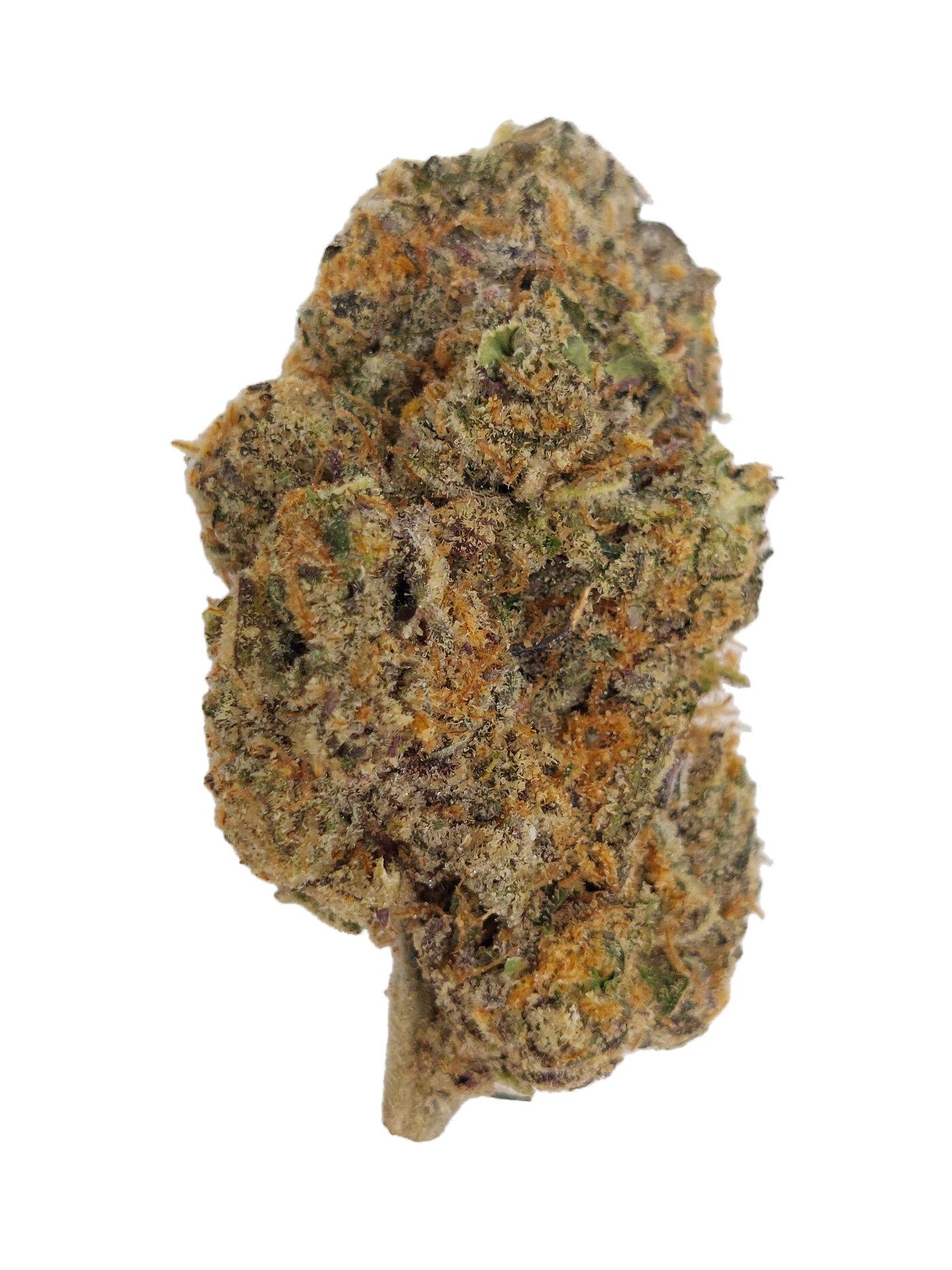
Sherbanger THCA flower is one of the more genetically interesting cultivars in our Houston exotic lineup: a cross that literally fuses dessert and fuel in its name. Bred by Boston Roots Seed Co. on the East Coast, it pairs the cookie-and-cream sweetness of the Cookies family with the sour-diesel edge of a Karma Genetics workhorse, and the result is a chemovar that smells like blueberry muffin one inhale and nose-singeing fuel the next. As an established Texas DSHS-licensed brand, we keep Sherbanger in stock indoors and run it on same-day delivery across Houston and the surrounding metro, so you can have top-shelf flower from River Oaks to Sugar Land, Katy to Clear Lake, the same afternoon you order.
Lineage and genealogy
Sherbanger is a hybrid of Sunset Sherbet x Headbanger, selected by John of Boston Roots Seed Co., a breeder whose loud, gas-forward worked hybrids built a following on the East Coast in the late 2010s.
- Sunset Sherbet (the dessert side) was created by Mr. Sherbinski of the Cookies family by crossing Girl Scout Cookies (the Thin Mint cut) with Pink Panties. Through its GSC parent it carries OG Kush, Cherry Pie, and Durban Poison further back in the tree; Pink Panties is widely associated with Blackberry Kush genetics.
- Headbanger (the gas side) is a Karma Genetics cross of Sour Diesel x Biker Kush that took third place in the Sativa category at the 2013 High Times Cannabis Cup. Sour Diesel traces back through Original Diesel to Chemdawg, the source of much of cannabis’s “loud” pungency.
A widely circulated phenotype, Sherbanger #22, was selected on the West Coast (a NorCal cut) and is the version most people picture when they hear the name. It is also worth noting for genealogy: Sherbanger is a documented parent of Candy Fumez (Bloom Seed Co., reportedly Zkittlez x Sherbanger), a modern candy-gas cultivar, which speaks to how cleanly Sherbanger passes on both its sweetness and its fuel.
Typical terpene profile
The figures below reflect ranges commonly reported for Sherbanger phenotypes. They are pheno- and lot-dependent: terpene content varies with the specific cut, harvest, and cure, so treat this as a typical fingerprint, not a guarantee for any given jar. Always confirm against the Certificate of Analysis (COA) for your exact lot.
| Terpene | Typical range (% by weight) | Commonly described aroma |
|---|---|---|
| Beta-caryophyllene | 0.5 – 1.2% | Peppery, spicy, warm |
| D-Limonene | 0.4 – 0.9% | Citrus, sweet rind |
| Beta-myrcene | 0.2 – 0.6% | Earthy, fruity, herbal |
| Humulene | trace – 0.3% | Hoppy, woody |
| Alpha-pinene / beta-pinene | trace – 0.3% | Pine, fresh |
| Linalool | trace – 0.25% | Floral, soft lavender |
Caryophyllene typically leads, which fits the spicy-fuel backbone, with limonene and myrcene rounding out the sweet-berry top notes. Of note, beta-caryophyllene is the one terpene with a confirmed direct receptor interaction: it binds the CB2 cannabinoid receptor as a selective agonist (Gertsch et al., 2008, PNAS, PMID 18574142). That is a documented molecular property of the compound in lab studies, not a claim about what any product does for you.
The flavor chemistry: why it smells like dessert AND gas
Sherbanger’s split personality on the nose is a textbook case of two different chemical families doing two different jobs, and terpenes only tell half the story.
- The dessert side (sherbet, citrus, berry, cream) comes largely from esters and lactones — the same broad ester chemistry behind fruity and confectionery aromas in food — layered over limonene’s citrus and myrcene’s fruitiness.
- The gas/diesel side is not a terpene at all. The sour-fuel, skunk, and pungent “loud” character traces to prenylated volatile sulfur compounds (VSCs / thiols), a class of trace sulfur molecules that researchers identified as the principal drivers of skunk-and-gas aromas in cannabis (Oswald et al., 2021 and 2023, ACS Omega). These compounds are potent at vanishingly low concentrations, which is why a flower can read “all gas” while terpenes sit at modest percentages.
So when Sherbanger swings from blueberry muffin to fuel, you are smelling esters/lactones and VSCs competing for your attention, with terpenes providing the supporting structure.
Chemovar framing
Sherbanger is a Type I (THCA-dominant) chemovar, meaning the acidic cannabinoid profile is overwhelmingly THCA with minimal CBD. Flower potency commonly lands around 20-28% THCA, with many lots in the low-to-mid 20s; concentrate work (wash and rosin) from this cultivar is frequently reported in the 18-25% yield range. Because THCA is the acidic precursor to THC, the number that matters for effect after heating is Total THC. Decarboxylation converts THCA to delta-9-THC and CO2; because THCA is the heavier molecule, you multiply its mass by 0.877 (molecular weight 314.46 vs. 358.47) and add any existing delta-9: Total THC = (THCA x 0.877) + delta-9-THC. That conversion loses roughly 12.3% of the mass as CO2 and proceeds as a first-order reaction in the ~110-120 C range. The COA reports both numbers — read Total THC, not just THCA, to understand what you are actually getting.
Cultivation and terroir
This cultivar is grown indoors, which is the environment Sherbanger tends to reward: tight climate control protects the delicate ester/lactone “candy” volatiles and the trace VSC thiols that give it the gas, both of which are easily blown out by heat, light, and rough handling. Indoor cultivation also favors the dense, frosty, resin-heavy bud structure inherited from the Kush and Diesel side of the family. If you encounter purple-tinged phenos of Sherbanger or its relatives, note that the color comes from anthocyanin pigments expressed in response to cooler night temperatures late in flower — it is a pigment story, not a potency story, and says nothing about how strong the flower is.
Reported experience
Sherbanger is sold as a roughly balanced hybrid, and growers describe a wide spread of reported experiences depending on the cut — from bright and social on some phenos to noticeably heavy and couch-leaning on others (the #22 cut in particular is widely described as sedating). Many people reach for it as an evening or wind-down occasion flower. These are reported use-occasions and subjective descriptions, not medical or therapeutic claims; this product is not intended to diagnose, treat, cure, or prevent any disease.
One myth, busted
“It’s labeled balanced, so it’ll be balanced.” Not reliably. Sherbanger is sold as a ~50/50 hybrid, but its phenotypes vary dramatically — some cuts trend 60/40 toward the indica side, and the popular #22 selection is consistently described as sedating rather than balanced. The label tells you the cross; it does not tell you which expression is in your jar. The phenotype and the lot COA set the experience, not the marketing name. Match the actual cannabinoid and terpene numbers on your COA to the occasion you have in mind.
Anchor to the lot COA
Every range on this page — terpene percentages, THCA potency, the dessert-vs-gas balance — is a typical profile for the cultivar, not a measurement of the specific flower you receive. Cannabis chemistry shifts batch to batch with phenotype, harvest, and cure. Always verify the Certificate of Analysis for your exact lot for cannabinoid content (including Total THC), terpene results, and contaminant/pesticide testing before you judge potency or expected experience.
Shop Sherbanger
Ready to try it? Shop indoor top-shelf Sherbanger THCA flower with same-day Houston delivery — available by the 1/4 oz, 1/2 oz, and full ounce, eligible for our Buy-2-Get-1-Free offer on the same strain and size. Every lot ships with its COA.
Legal note (as of June 16, 2026): Texas DSHS adopted a total-THC rule (25 TAC 300.101) effective March 31, 2026, which counts THCA toward the THC total; the rule was briefly paused and then reinstated on June 5, 2026, when the Texas 15th Court of Appeals dissolved the stay. No court order currently blocks the DSHS rule, and a merits trial is tentatively set for July 27, 2026. This is general information, current as of the date shown, and is not legal advice. These statements have not been evaluated by the Food and Drug Administration. This product is not intended to diagnose, treat, cure, or prevent any disease.
Shop Sherbanger THCA flower → — in stock now, same-day Houston delivery.
Skywalker OG THCA Flower in Houston
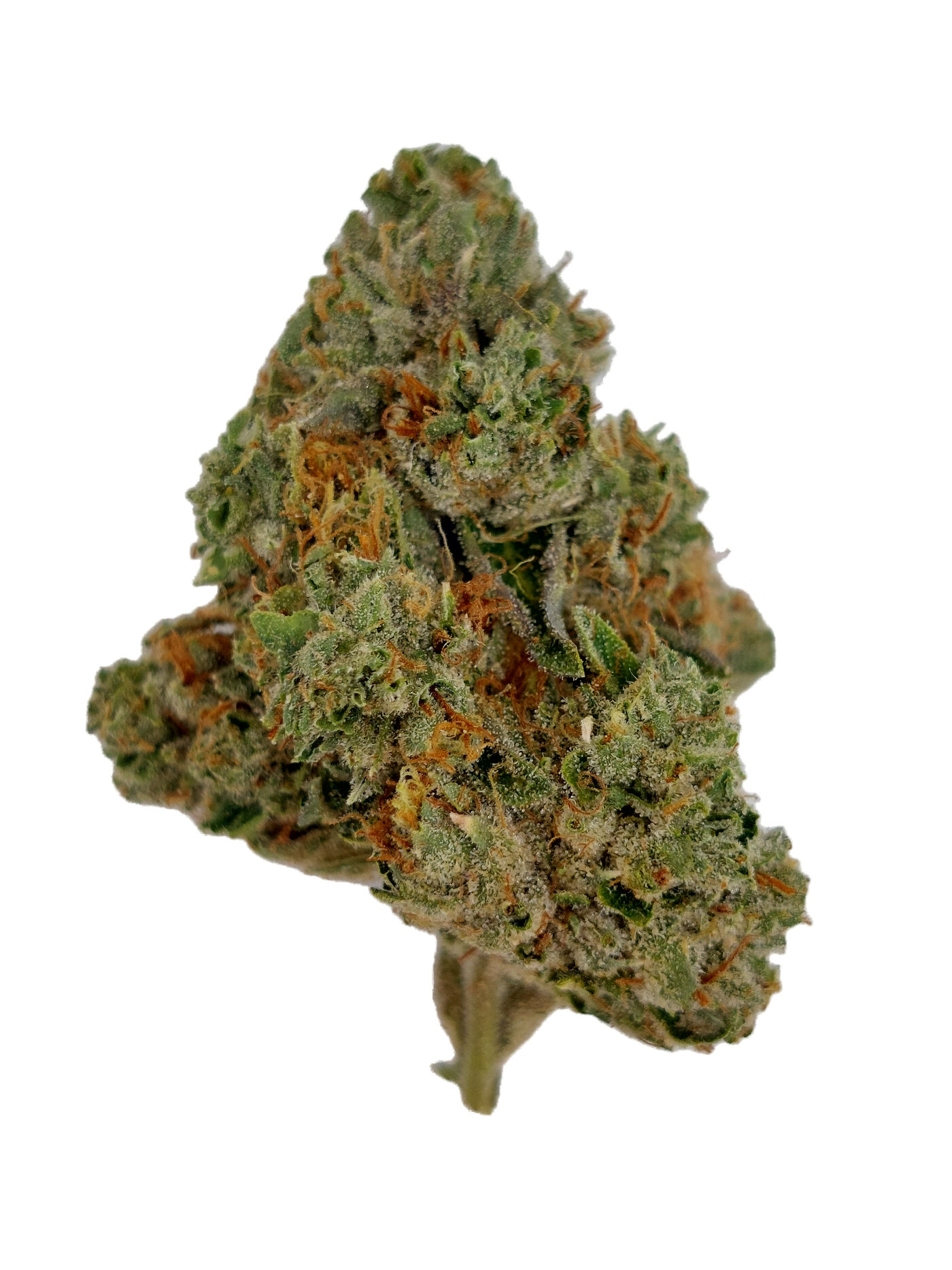
Skywalker OG is one of the most requested indica-leaning cultivars we carry, and our Skywalker OG THCA flower is exotic, top-shelf indoor material grown by a two-time Cannabis Cup-winning team, in stock now with same-day delivery across Houston. It is a Type I (THCA-dominant) chemovar built on a heavy, gassy OG backbone with a sweet blueberry top note. Whether you are in River Oaks, Montrose, the Heights, the Medical Center, Sugar Land, or out toward Katy and The Woodlands, you can buy Skywalker OG THCA flower and have it delivered the same day.
Lineage and Genealogy
Skywalker OG is a backcross of two distinct lines. The first parent is Skywalker, itself a cross of Mazar (a hashy, resin-heavy Mazar-i-Sharif descendant) and Blueberry (DJ Short’s classic, the source of the sweet berry top note and, on cold finishes, the purple pigment). That Skywalker line was then crossed with OG Kush — the Florida/California cultivar responsible for the fuel-forward, earthy-pine “OG” character that dominates the nose. The result reads as roughly indica-dominant, around 85/15 by reported phenotype expression. As a genealogy that is a clean story; as a predictor of how the flower will make you feel, “indica” is far less reliable than the lab numbers, which is a point we return to below.
Cannabinoid and Terpene Profile (Award-Grower COA)
The figures below are drawn from a real certificate of analysis for a Skywalker OG grown by a two-time Cannabis Cup-winning cultivator (THC Design). They describe that specific harvest lot and are illustrative of the cultivar’s typical expression — every batch is phenotype-, lot-, and cure-dependent, so treat these as a representative fingerprint, not a guarantee for the jar in your hand. Always read the COA attached to the batch you receive.
| Compound | Typical result (this lot) | Notes |
|---|---|---|
| THCA | 27.2% | The dominant, non-intoxicating acid form as harvested |
| Delta-9 THC | 1.19% | Present in the raw flower before any heating |
| Total THC | ~25% | Decarboxylated potential: (THCA x 0.877) + delta-9 |
| CBGA | 0.83% | The biosynthetic precursor (“mother cannabinoid”) |
| Myrcene | 1.71% | Dominant terpene; earthy, herbal, slightly fruity |
| Limonene | 0.97% | Citrus-forward |
| Beta-caryophyllene | 0.53% | Peppery; the only common terpene shown to bind CB2 (see below) |
| Linalool | 0.31% | Floral, lavender-adjacent |
| Total terpenes | ~4% | A high terpene load for flower |
A note on the math that converts those acids to “Total THC”: when THCA is heated it loses a carboxyl group as CO2 and converts to delta-9 THC, a reaction (decarboxylation) that proceeds as a first-order process at roughly 110-120 C. Because THCA’s molecular weight (358.47) is larger than THC’s (314.46), the conversion carries a fixed efficiency factor of 0.877 (314.46 / 358.47) and an associated mass loss of about 12.3%. So this lot’s raw 27.2% THCA represents a decarboxylated potential of roughly 24% THC, and adding the 1.19% delta-9 already present lands near the reported ~25% Total THC.
Flavorant and Aroma Chemistry
Skywalker OG’s signature is earthy pine layered over an unmistakable OG diesel/jet-fuel “gas,” with sweet blueberry underneath. It is worth being precise about where each of those notes actually comes from, because the marketing shorthand is usually wrong.
- The “gas,” garlic, and skunk are not terpenes. The pungent fuel and skunk character of high-end cannabis is driven by a family of prenylated volatile sulfur compounds (VSCs / thiols), not by myrcene or any terpene. Oswald and colleagues identified this new family of sulfur compounds in cannabis using comprehensive two-dimensional gas chromatography (Oswald et al., 2021, ACS Omega, 6(47):31667, DOI 10.1021/acsomega.1c04196), and a follow-up paper showed these minor, nonterpenoid volatiles drive the aroma differences between exotic cultivars (Oswald et al., 2023, ACS Omega, DOI 10.1021/acsomega.3c04496). The “jet fuel” you smell in an OG is a sulfur story, not a terpene story.
- The sweet blueberry note is the kind of fruity/candy character associated with esters and lactones rather than with the terpene backbone — the Blueberry heritage in the lineage tracks here.
- Earthy pine and pepper are the terpene contributions you can see on the COA — the myrcene, limonene, and caryophyllene fractions.
- If a Skywalker OG cures purple, that color is anthocyanin pigment expressed when the plant finishes through cold nights. It is a pigment, not a potency or sedation signal — purple flower is not stronger flower.
Chemovar Framing
The most useful way to describe this flower is not “indica” but its chemovar: a Type I (THCA-dominant, low-CBD) cultivar with a myrcene-led terpene profile, a meaningful caryophyllene and limonene presence, and a sulfur-driven gas aroma. That chemical fingerprint — cannabinoid ratio plus terpene and VSC profile — tells you far more about what is in the jar than a sativa/indica label does. We lead with the lab sheet for exactly that reason.
Cultivation and Terroir
The reference material here is indoor-grown, which is what allows a roughly 4% total-terpene load and the dense, frosty structure Skywalker OG is known for. Indoor cultivation gives the grower control over light spectrum, humidity, and — critically for this cultivar — a cool finish, which is when Blueberry-heritage genetics can throw anthocyanin purple and when terpene and VSC retention is best preserved through a slow cure. Our Houston inventory is sourced from an award-winning indoor program for that consistency.
Reported Experience
Customers commonly describe Skywalker OG as an evening or nighttime selection: a brief initial lift that gives way to a deep, heavy, sinking body-relaxed feeling. These are reported use-occasion experiences, not medical claims — this product is not intended to diagnose, treat, cure, or prevent any disease, and individual experiences vary with dose, tolerance, and setting.
Myth-Bust: “The Myrcene Makes It Sedating”
Nearly every Skywalker OG listing online attributes the heavy, couch-locked feeling to its high myrcene, often citing a “0.5% myrcene = sedating indica” rule. That rule is not science. The 0.5% threshold traces to a single uncited 2007 Steep Hill Labs blog post and was never published with supporting data, and there is no human pharmacokinetic evidence that myrcene at the levels found in flower acts as a sedative or causes “couch-lock.” The heavy feel here is far more plausibly a function of high THC and dose than of a terpene knocking you out. This fits the broader picture that indica/sativa labels are weak predictors of effect: a large genetic analysis found that the marijuana strain names and indica/sativa designations growers use are poorly correlated with actual genetic identity (Sawler et al., 2015, PLOS ONE, 10(8):e0133292, PMID 26308334) — the measured chemovar, not the label, is the real descriptor. (For context on where terpene-effect claims are supported: beta-caryophyllene — present here at 0.53% — was shown to bind and functionally activate the CB2 receptor in Gertsch et al., 2008, PNAS, 105(26):9099-9104, PMID 18574142. That is a specific, demonstrated receptor interaction, not a blanket “this terpene boosts your high.”)
Always Anchor to the Lot COA
The numbers on this page describe a representative award-grower harvest. Cannabinoid percentages, the terpene breakdown, and even whether a given run shows purple will shift from batch to batch with phenotype, growing conditions, and cure. Every order of our Skywalker OG THCA flower ships with — or links to — the certificate of analysis for the specific lot you receive. Read it: confirm the THCA and Total THC, scan the terpene table, and check the pass results for pesticides, residual solvents, heavy metals, and microbials before you judge the flower by any description, including ours.
Buy Skywalker OG THCA Flower in Houston
Skywalker OG is in stock now as top-shelf indoor flower in 1/4 oz, 1/2 oz, and 1 oz, with same-day Houston delivery and our stackable Buy-2-Get-1-Free offer on matching strain and size. Shop Skywalker OG indoor top-shelf THCA flower with same-day Houston delivery — from River Oaks, Memorial, Tanglewood, and Rice Village to the Galleria/Uptown, Pearland, Sugar Land, Katy, and The Woodlands.
As of June 16, 2026, Texas DSHS rule 25 TAC 300.101 (which counts THCA toward a total-THC limit) is in effect; it was briefly paused and then reinstated on June 5, 2026 when the Texas 15th Court of Appeals dissolved the stay, and no court order currently blocks the rule, with a merits trial tentatively set for July 27, 2026. This is general information, is not legal advice, and is subject to change. These statements have not been evaluated by the Food and Drug Administration. This product is not intended to diagnose, treat, cure, or prevent any disease. Lab and award references describe a specific cultivar/lot and are not a guarantee of the batch you receive.
Shop Skywalker OG THCA flower → — in stock now, same-day Houston delivery.
Sub Zero THCA flower is one of the more talked-about exotic cultivars to land in Houston this year, and OilWell carries it as top-shelf, indoor-grown hemp flower with same-day delivery across the metro. This is the GrowMoreFire cut — the dessert-meets-diesel hybrid whose frosted, often purple-tipped buds and distinctly cool, minty-gas nose made it a 2026 breakout — not one of the unrelated strains that happen to share the name. If you have been hunting for a genuinely modern, high-resin Type I flower in Houston, this is the deep-dive on exactly what Sub Zero is and what the lab work actually says.
Lineage and genealogy
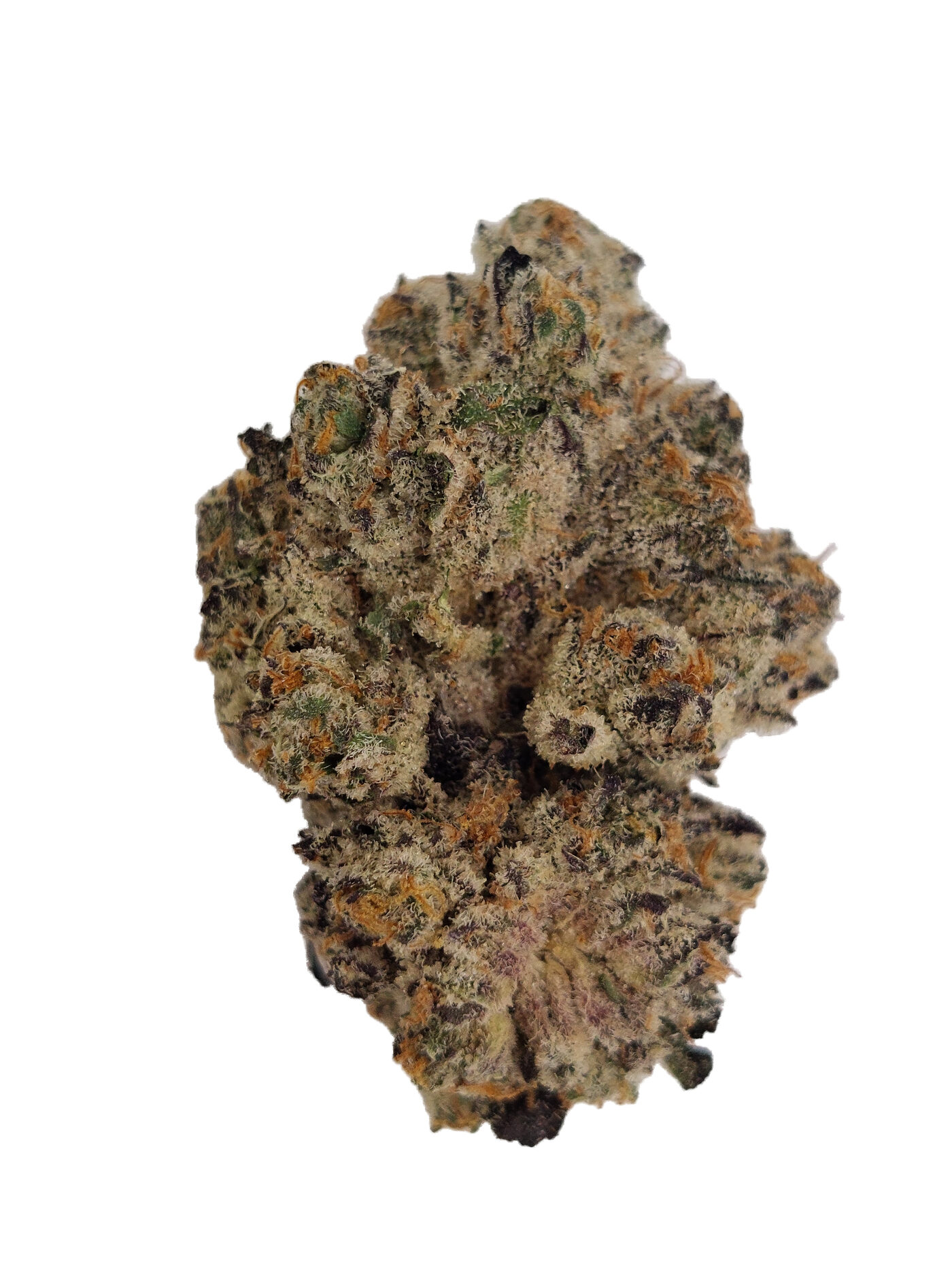
Sub Zero (the widely-circulated cut is often labeled Sub Zero #12) is the work of GrowMoreFire Genetics, who crossed two heavyweight modern hybrids:
- Oreoz (the seed parent) — bred by 3rd Coast Genetics from Cookies and Cream × Secret Weapon. Cookies and Cream traces back to Starfighter and a GSC-leaning line; Secret Weapon descends from Cheese Quake and White Widow. Oreoz is the source of the chocolate-cookie, creamy, diesel character and the dense, resin-caked bud structure.
- Super Boof (the pollen parent) — bred by Blockhead from Black Cherry Punch × Tropicana Cookies. Black Cherry Punch brings dark-fruit and berry tones; Tropicana Cookies brings bright citrus and cookie-dough notes. Super Boof contributes the fruit-and-citrus lift that brightens Oreoz’s heavier base.
The result is a balanced hybrid generally described as roughly 50/50 to 60/40 indica-leaning. A naming note worth being precise about: “Sub Zero” is a partial homonym in the cannabis world — the name has also been attached to an unrelated GMO × Grape Pie line, to a menthol-finished novelty, and to older landrace material. The flower described on this page is specifically the GrowMoreFire Oreoz × Super Boof cross.
Terpene profile (typical ranges)
The Sub Zero terpene picture is genuinely disputed across batches — some lots read limonene-forward, others read myrcene-dominant — which is normal for a young hybrid with multiple phenotypes in circulation. The table below reflects commonly reported ranges for Sub Zero-labeled material and should be read as pheno- and lot-dependent, not a fixed recipe. Always defer to the specific lot’s COA.
| Terpene | Typical range (% by mass) | Aroma association |
|---|---|---|
| Limonene | ~0.3–1.5% | Citrus, bright zest |
| Myrcene | ~0.4–1.2% | Earthy, ripe-fruit, herbal |
| beta-Caryophyllene | ~0.2–0.6% | Pepper, warm spice |
| Humulene | ~0.05–0.2% | Hops, woody |
| alpha-/beta-Pinene | ~0.1–0.3% | Pine, fresh-herb, cool top-note |
| Linalool | ~0.05–0.15% | Floral, faint lavender |
| Total terpenes | ~1.5–3.0%+ | Standout cuts can exceed 3.5% |
Whether a given Sub Zero batch reads as limonene-led or myrcene-led is the single biggest driver of how its nose presents — citrus-forward and punchy versus heavier and fruit-sweet.
Flavorant and VSC chemistry
The most memorable thing about Sub Zero is the contradiction in the jar: a cold, “frozen” gas note sitting over vanilla cream, cookie, and citrus. Here is what is actually responsible for each layer, because the popular shorthand of crediting “terpenes” for everything is chemically incomplete:
- The gas, garlic, and skunk facet is not terpene-driven. Oswald and colleagues (Oswald et al., 2021, ACS Omega, DOI 10.1021/acsomega.1c04196; and a 2023 follow-up in ACS Omega) identified a family of prenylated volatile sulfur compounds (VSCs / thiols) as the source of cannabis’s pungent skunk-and-gas aroma. They reported 3-methyl-2-butene-1-thiol as the dominant pungent odorant. These sulfur compounds, not terpenes, account for the “fuel” impression in Sub Zero.
- The vanilla-cream, cookie, and dessert facet comes from esters and lactones — the same volatile classes behind creamy and pastry aromas in food — inherited largely through the Oreoz (Cookies and Cream) side.
- The citrus brightness tracks with limonene and the broader monoterpene fraction contributed by the Super Boof side.
Chemovar framing
Sub Zero is a Type I chemovar — THCA/THC-dominant with negligible CBD. A characterizing detail worth flagging is its notable CBG content, commonly in the ~1–2% range on tested lots, which is high relative to most flower. As with all minor cannabinoids, treat that figure as a compositional fact verified per lot, not as a promise of any particular effect.
Cultivation and terroir
Sub Zero is an indoor flower in OilWell’s lineup, and the traits it is prized for — extreme trichome density, tight resin webbing, and frosted bag appeal — are expressions of controlled indoor environments (stable humidity, dialed light, careful late-flower temperature management). The frequent purple tips and accents are an environmental tell: cool late-flower night temperatures accelerate chlorophyll breakdown and let anthocyanin pigments show through (see Liang et al., 2023, Frontiers in Plant Science, on anthocyanin biosynthesis in Cannabis sativa). It is a color signal about how the plant was finished — not a potency signal.
Reported experience
Customers commonly describe Sub Zero as a clean, euphoric opening that settles into a warm, relaxed body calm over time — a profile users tend to slot into later-afternoon and evening, unwind-style occasions. These are reported experiences and use-occasion descriptions only; individual response varies with dose, tolerance, format, and the specific lot, and nothing here is a therapeutic claim.
One myth, corrected
That “frozen,” cool-minty edge invites an obvious assumption — that there is menthol in the flower. There almost certainly is not. Menthol produces its cold sensation by activating the TRPM8 cold receptor (Bautista et al., 2007, Nature; reviewed in McKemy, 2007), and cannabis produces little to no menthol and no other meaningfully TRPM8-active terpene. The “cool” impression in Sub Zero is better understood as a perceptual ensemble — pinene’s fresh top-note, limonene’s bright lift, and trace volatiles reading together as “cold” — rather than a true menthol cooling agonist. While we are here: the related belief that purple flower is stronger flower is also false, since color comes from anthocyanin pigment, not cannabinoid content.
It is also worth being precise about the “entourage effect,” which gets oversold. Specific interactions are genuinely supported: beta-caryophyllene binds the CB2 receptor as a functional agonist (Gertsch et al., 2008, PNAS, PMID 18574142), and vaporized D-limonene reduced THC-induced anxiety in a controlled human trial (Spindle et al., 2024, Drug and Alcohol Dependence, PMID 38498958). But the blanket idea that any given terpene “boosts your high” is not established — Santiago et al. (2019) and Finlay et al. (2020, Frontiers in Pharmacology) found that common cannabis terpenes did not modulate THC’s activity at CB1/CB2 receptors. We lead with what the evidence supports and flag the sweeping version as unproven.
Anchor everything to the lot COA
Two real Sub Zero lots we have carried tested at 26.5% and 27.4% total THC — strong, and representative of the range, but a snapshot of those specific harvests, not a guarantee for the next one. Terpene percentages, the limonene-versus-myrcene lean, CBG content, and total THC all shift batch to batch. Read the cannabinoid totals, the terpene breakdown, and the contaminant/pesticide/heavy-metal screens on the Certificate of Analysis for the exact lot you receive, and treat that document — not this page, and not the strain’s reputation — as the source of truth.
Buy Sub Zero THCA flower in Houston
OilWell stocks Sub Zero as indoor, top-shelf THCA hemp flower with lab-verified COAs and same-day delivery across Houston — River Oaks, Memorial, West University Place, Tanglewood, Rice Village, the Galleria/Uptown, Montrose, The Heights, EaDo, the Energy Corridor, the Medical Center, Sugar Land, The Woodlands, Katy, Pearland, and Clear Lake. Available in 1/4 oz, 1/2 oz, and 1 oz, and eligible for our stackable Buy-2-Get-1-Free offer on matching strain and size. Shop Sub Zero indoor top-shelf THCA flower with Houston same-day delivery.
Legal note (as of June 16, 2026): Texas DSHS adopted a total-THC rule (25 TAC 300.101) that counts THCA toward the THC limit, effective March 31, 2026; it was briefly paused and then reinstated on June 5, 2026, after the Texas 15th Court of Appeals dissolved the stay. No court order currently blocks the DSHS rule, and a merits trial is tentatively set for July 27, 2026. This is general information, is not legal advice, and is subject to change. These statements have not been evaluated by the Food and Drug Administration. This product is not intended to diagnose, treat, cure, or prevent any disease.
Shop Sub Zero THCA flower → — in stock now, same-day Houston delivery.
Same-Day THCA Flower Delivery Across Greater Houston
THCA flower Houston same-day delivery, neighborhood by neighborhood
OilWell Cannabis has run on Houston time since 2019, and the new lineup of 11 exotic THCA flower strains is in stock now with THCA flower Houston same-day delivery across the city and the close-in suburbs. Order before the daily cutoff inside our delivery zone and your jars move the same day. The Buy-2-Get-1-free offer (same strain, same size, stackable) travels with every order, so the deal is identical whether the driver is headed Inner Loop or out to the master-planned suburbs.
Here is where we run, with the kind of local detail a same-day route actually depends on.
Inner Loop and close-in Houston
- THCA flower delivery to River Oaks — from the River Oaks Shopping Center down the live-oak blocks off Kirby and Westheimer, one of our most-requested same-day zones.
- Same-day THCA flower delivery to Memorial and the Memorial Villages — covering Bunker Hill, Piney Point, and Hunters Creek along the Memorial Drive corridor west of the 610 Loop.
- Buy THCA flower in West University Place — quick hops through the West U grid between Kirby, Bissonnet, and Bellaire Boulevard.
- THCA flower delivery to Tanglewood — the wooded blocks between Woodway and San Felipe, minutes from Uptown.
- Top-shelf THCA flower in Rice Village and Rice Military — the shops around Rice Village plus the townhome blocks of Rice Military near Washington Avenue and Memorial Park.
- THCA flower delivery to the Galleria and Uptown — high-rise and hotel addresses around Post Oak Boulevard and the Uptown district.
- Buy THCA flower in Montrose — the Westheimer and Montrose Boulevard arts-and-nightlife stretch, an easy run from our base.
- THCA flower delivery to The Heights — the bungalow blocks and Heights Boulevard, including the 19th Street and Yale corridors.
- Same-day THCA flower delivery to Downtown Houston — lofts and residential towers across the central business district and theater district.
- Buy THCA flower in EaDo — East Downtown around the stadium district and the warehouse-to-residential conversions east of US-59.
- THCA flower delivery to the Medical Center area — residential addresses in and around the Texas Medical Center and Museum District.
Energy Corridor and Greater Houston suburbs
- THCA flower delivery to the Energy Corridor — the I-10 West office and residential belt near Eldridge Parkway and CityCentre.
- Same-day THCA flower delivery to Sugar Land — Fort Bend addresses from First Colony to Telfair and Riverstone.
- Buy THCA flower in The Woodlands — the village neighborhoods up I-45 North around Market Street and Town Center.
- THCA flower delivery to Katy — the Grand Parkway and Cinco Ranch communities along the I-10 West growth corridor.
- Same-day THCA flower delivery to Pearland — south-side neighborhoods near the Pearland Town Center and Shadow Creek Ranch.
- THCA flower delivery to Clear Lake and the NASA area — the Clear Lake, Webster, and NASA Parkway communities on the southeast side.
Not seeing your block, or sitting just outside a listed area? Check the full Houston THCA flower delivery map for current coverage, daily order cutoffs, and minimums before you check out. Delivery windows and same-day eligibility depend on your address, the time you order, and stock on hand.
OilWell Cannabis is a Texas DSHS-licensed hemp retailer. Availability and delivery are described as of June 16, 2026; products are sold to adults 21 and older. As of June 16, 2026, the Texas DSHS total-THC rule (25 TAC 300.101) is in effect and no court order currently blocks it, with a merits trial tentatively set for July 27, 2026. This information is provided for general purposes only and is not legal advice. These statements have not been evaluated by the Food and Drug Administration. These products are not intended to diagnose, treat, cure, or prevent any disease.
We deliver same-day to: River Oaks · Memorial & Memorial Villages · West University Place · Tanglewood · Rice Village & Rice Military · Galleria & Uptown · Montrose · The Heights · Downtown · EaDo · Energy Corridor · Medical Center · Sugar Land · The Woodlands · Katy · Pearland · Clear Lake / NASA area .
Don’t see your area? Check our full same-day delivery map →
Is THCA Flower Legal in Texas Right Now?
Texas Legal Status of THCA Flower — Dated & Important
As of June 16, 2026. This is general information, not legal advice — verify the current status before you buy.
Texas’s DSHS Consumable Hemp rule (25 TAC §300.101, effective March 31, 2026) calculates “total THC” by counting THCA toward the 0.3% dry-weight limit — which renders most high-THCA flower non-compliant — and it also prohibits smokable and inhalable hemp at retail and raised retailer and manufacturer registration fees. The rule is currently in effect: on roughly June 5–6, 2026 the Texas Fifteenth Court of Appeals denied the hemp industry’s emergency request to block it. The underlying lawsuit is not resolved — a trial in Travis County is set, as a placeholder, for July 27, 2026. Because Texas hemp law is moving fast, smokable THCA flower carries real and rising legal risk in Texas. OilWell may restrict the sale or shipment of THCA flower to Texas addresses depending on current law; your eligibility is verified at checkout.
Is THCA flower legal in Texas right now?
The short, honest answer, as of June 16, 2026: THCA flower occupies contested legal ground in Texas, and the rules tightened this spring. A state regulatory change now folds THCA into the legal THC calculation, and a court order that had briefly paused that change was dissolved on June 5, 2026. There is no court order currently blocking the rule. The merits of the dispute have not been decided and head to trial later this summer. We sell only to adults 21+, we publish a Certificate of Analysis (COA) for every batch, and we will not tell you the status is settled when it is not. Below is exactly where things stand and who decided what.
What changed: the DSHS “total-THC” rule
The Texas Department of State Health Services (DSHS) adopted a rule, codified at 25 Texas Administrative Code § 300.101, that measures a hemp product’s THC on a total-THC basis rather than counting delta-9 THC alone. In practice, that calculation adds the converted weight of THCA to any delta-9 THC already present, using the standard decarboxylation factor of 0.877 (Total THC = (THCA × 0.877) + delta-9 THC). Because high-THCA flower is defined precisely by its large THCA fraction, that math pushes most THCA flower above the 0.3% dry-weight ceiling that separates legal hemp from marijuana under Texas law. The rule took effect March 31, 2026.
The court fight, in sequence
The hemp industry challenged the rule. A stay briefly held it back, then was lifted:
- March 31, 2026 — The DSHS total-THC rule (25 TAC § 300.101) takes effect.
- May 7, 2026 — The Texas Fifteenth Court of Appeals grants an administrative stay that temporarily keeps THCA products on shelves while the litigation proceeds.
- June 5, 2026 — The Texas Fifteenth Court of Appeals dissolves that administrative stay, reinstating the rule. The court denied the industry’s emergency request to keep the temporary injunction in place. As of June 16, 2026, no court order currently blocks the DSHS rule.
- July 27, 2026 (tentative) — A Travis County District Court trial is scheduled to decide the full merits of the challenge — that is, whether the underlying rule is valid. The June 5 order was procedural and offered no ruling on the merits.
Reporting from Houston Public Media, KUT (Austin’s NPR station), and Texas Public Radio has noted that while the rule is back in effect, enforcement on the ground remains uncertain in the near term. That is a real and important distinction: “in effect” is not the same as “uniformly enforced,” and neither is a green light to assume the product is unrestricted. We are telling you the legal posture, not predicting how any agency or prosecutor will act.
What this means if you’re shopping in Houston
This is general information, not a promise about your individual situation. We will never claim our flower is “legal to sell or ship now” as a settled matter, because the question is genuinely in litigation. What we can tell you about how OilWell operates:
- We are a Texas DSHS-licensed hemp business that has operated in Houston since 2019.
- Every batch ships with a third-party COA showing its full cannabinoid profile, including THCA and delta-9 THC, so you can read the numbers yourself.
- We restrict sales to adults 21 and older.
- Legal status can change with the July 27, 2026 trial, with any further appellate action, and with the federal change described below. We update this page as the facts move.
The national snapshot (why this isn’t just a Texas story)
Texas is not acting alone, and a federal change is coming that will matter everywhere:
- Tennessee — A statewide THCA ban takes effect July 1, 2026. The state’s Alcoholic Beverage Commission applies the same total-THC math (delta-9 + THCA × 0.877), which puts high-THCA flower, pre-rolls, and vapes over the limit.
- Other states — Arkansas, Idaho, Hawaii, Minnesota, Oregon, and Rhode Island restrict THCA to varying degrees.
- Federal — Public Law 119-37 redefines “hemp” on a total-THC basis effective November 12, 2026. After that date, the federal definition itself counts THCA toward the THC total, which reshapes the national picture regardless of any single state’s posture.
The bottom line
As of June 16, 2026, the DSHS total-THC rule (25 TAC § 300.101) is in effect after the Texas Fifteenth Court of Appeals dissolved the administrative stay on June 5, 2026; no court order currently blocks the rule; and the underlying merits are tentatively set for trial on July 27, 2026. Nationally, Tennessee’s ban arrives July 1, 2026, and the federal total-THC redefinition under P.L. 119-37 takes effect November 12, 2026. This is a fast-moving area. This is general information, not legal advice — verify current status with the primary sources or a licensed Texas attorney before you rely on it.
The Offer: Buy 2, Get 1 Free
Simple and stackable. Buy two of the exact same strain in the exact same size (1/4 oz, 1/2 oz, or full ounce) and get a third of that same strain and size free. Do it as many times as you like, across as many strains as you like — every two you buy of one item earns one free of that same item. The two must match exactly in strain and weight to unlock the free third.
Wholesale, Bulk & Private Label
Wholesale, Bulk & Private-Label THCA Flower
OilWell has been formulating, sourcing, and testing hemp in Houston since 2019, and we extend that same supply chain to retailers, smoke shops, dispensaries, wellness brands, and other licensed businesses. If you are sourcing THCA flower in Houston at wholesale volume, building a bulk program, or launching your own labeled product, we work directly with you rather than through a faceless distributor.
Our wholesale and bulk program covers the same exotic, top-shelf THCA flower we sell at retail, sourced and lab-verified to the same standard. Every lot ships with a current third-party Certificate of Analysis (COA) showing cannabinoid content, total THC calculated on the post-decarboxylation basis (Total THC = (THCA × 0.877) + delta-9 THC), and screening for pesticides, residual solvents, heavy metals, and microbials. We are a Texas DSHS-licensed operation, and we expect our wholesale partners to hold the licenses required in their own jurisdictions.
We also offer white-label and private-label services for businesses that want to put their own brand on tested, ready-to-sell flower. That includes custom packaging, strain selection from our exotic catalog, and COA documentation matched to each batch you receive. Whether you want a turnkey private-label line or simple bulk supply, the conversation starts the same way.
We do not publish pricing, minimums, or order quantities on this page because real wholesale terms depend on strain, volume, packaging, and timing. To get specifics, reach out directly through our THCA flower wholesale program for Houston retailers and shops, ask about white-label and private-label THCA flower manufacturing, or open a bulk THCA flower ordering conversation. A real person at OilWell will respond — founder-led, not a call center.
Local & Texas Wholesale Reach
Houston is our home, so wholesale partners across River Oaks, Memorial, Tanglewood, the Galleria/Uptown corridor, Rice Village, West University Place, Montrose, The Heights, EaDo, the Energy Corridor, the Medical Center, Sugar Land, Pearland, Katy, The Woodlands, and Clear Lake can coordinate fulfillment with us efficiently. We understand the local retail landscape because we have operated in it for years, and we can talk through what moves in this market.
Shipping & International: The Honest Reality
This is where many sellers get vague. We will not. Smokable THCA flower is a federally and internationally sensitive product, and pretending otherwise would be dishonest and would put our customers at risk.
Same-Day Houston Delivery
Within Houston and the surrounding metro, we offer same-day delivery on in-stock orders. This is the fastest, simplest, and most reliable way to buy THCA flower in Houston — no carrier, no customs, no interstate uncertainty. Same-day THCA flower delivery in Houston covers our core service area, and you can confirm coverage for your neighborhood at checkout.
Shipping Within the United States
Domestic shipping of hemp flower is governed by a patchwork of state laws layered on top of federal hemp rules, and it is changing quickly. As of June 16, 2026, several states either ban or effectively prohibit THCA flower by measuring total THC (which counts THCA), including Arkansas, Idaho, Hawaii, Minnesota, Oregon, and Rhode Island, among others; Tennessee’s THCA ban takes effect July 1, 2026. We ship only to U.S. states where doing so is lawful at the time of the order, and we update that list as laws move. We do not ship into states that prohibit the product, and we will tell you if your destination is not eligible rather than ship something that could be seized.
Two larger shifts are on the horizon, and we believe in stating them plainly. In Texas, the DSHS total-THC rule (25 TAC 300.101), which counts THCA toward the THC total, took effect March 31, 2026; it was briefly paused and then reinstated June 5, 2026, when the Texas Fifteenth Court of Appeals dissolved the stay. As of June 16, 2026, no court order currently blocks the DSHS rule, and a merits trial is tentatively set for July 27, 2026. Nationally, federal law (P.L. 119-37) redefines hemp on a total-THC basis effective November 12, 2026, which would count THCA toward the federal THC limit. Both of these are documented in detail in our Texas legality section above. This is information, not legal advice — consult a qualified attorney for your situation.
International Shipping
We do not ship smokable THCA flower internationally, and you should be skeptical of any U.S. seller who claims they can. Most countries classify cannabis flower — including high-THCA hemp flower that converts to delta-9 THC when heated — as a controlled substance regardless of how it is labeled for export. Mailing it across most borders is illegal, risks seizure, and can carry serious legal consequences for the recipient. Country-by-country and customs rules vary widely, and “discreet international shipping” offers are a red flag, not a feature. For anyone outside our lawful service area, the honest answer is that smokable THCA flower generally cannot lawfully ship to most countries, and we will not pretend otherwise.
For full details on where we can and cannot ship, current state eligibility, and how same-day Houston delivery works, see our THCA flower shipping and international delivery policy. If a destination is not lawful, we would rather lose the sale than mislead you — that honesty is the whole point of how we operate.
This information is provided for general educational purposes as of June 16, 2026, and is not legal advice. These statements have not been evaluated by the Food and Drug Administration. These products are not intended to diagnose, treat, cure, or prevent any disease.
Get started: wholesale ordering · white-label & private label · bulk & international · international shipping guide · international partnership.
THCA Flower FAQ
Is THCA flower legal in Texas right now?
As of June 16, 2026, the situation is fluid, and the honest answer is: it depends on how Texas counts THC. The Texas Department of State Health Services (DSHS) “total THC” rule (25 TAC 300.101) took effect March 31, 2026. It instructs labs to count THCA toward the legal THC limit by converting it at a factor of roughly 0.877 (the molecular-weight ratio of THC to THCA), which means most smokable THCA flower exceeds the 0.3% federal threshold on a total-THC basis. That rule was briefly paused by a trial court, then reinstated on June 5, 2026, when the Texas Fifteenth Court of Appeals dissolved the stay. No court order currently blocks the DSHS rule, and a merits trial is tentatively set for July 27, 2026. Enforcement specifics remain unsettled. We date-stamp this answer because the law is changing month to month. This is general information, not legal advice; consult a Texas attorney for your situation.
Will THCA show up on a drug test?
Yes, assume it will. Standard drug screens do not look for THCA itself; they look for THC-COOH (11-nor-9-carboxy-THC), the metabolite your body produces after delta-9 THC. Because heating THCA flower (smoking or vaping) converts THCA into delta-9 THC through decarboxylation, your body then metabolizes that THC into THC-COOH, the exact compound urine immunoassays detect. THC-COOH is fat-soluble and clears slowly; published reviews describe an elimination half-life ranging from about 1 to 10 days in occasional users and longer in frequent users (Sharma et al., 2012, Iran J Psychiatry, PMID 23408483). If you are subject to drug testing for any reason, do not use THCA flower.
What is THCA, and how is it different from THC?
THCA (tetrahydrocannabinolic acid) is the raw, acidic cannabinoid that the cannabis plant actually produces; THC (delta-9-tetrahydrocannabinol) is what THCA becomes after it loses a carboxyl group. In its unheated state, THCA is non-intoxicating because its molecular shape does not bind the brain’s CB1 receptor the way THC does. The conversion happens through decarboxylation: applying heat (a lighter, a vaporizer, an oven) drives off carbon dioxide and transforms THCA into THC. So fresh THCA flower in the jar is not psychoactive, but the moment you light it, the chemistry changes. THCA flower and THC flower are, functionally, the same plant material described at two different points in that reaction.
How strong is THCA flower?
Strength comes down to the math of decarboxylation. THCA does not convert to THC gram-for-gram; the molecule sheds CO2 and loses roughly 12.3% of its mass in the process. Chemists apply a conversion factor of 0.877 (314.46 / 358.47, the ratio of THC’s molecular weight to THCA’s). To estimate the THC you actually inhale, the standard formula is: Total THC = (THCA x 0.877) + existing delta-9 THC. So a flower testing at 25% THCA yields roughly 21.9% THC once heated, before accounting for combustion losses. In practical terms, well-grown THCA flower is comparable in potency to conventional high-THC cannabis. Reported experiences vary widely by person, dose, and tolerance; start low and go slow.
What does “exotic” THCA flower actually mean?
“Exotic” is a market grade, not a legal or chemical category, so it pays to know what is real and what is marketing. In practice it signals top-shelf cultivation: dense, hand-trimmed buds, heavy trichome coverage, careful curing, and distinctive aroma and flavor profiles. A few honest clarifications on the sensory cues people associate with exotics. Gas, garlic, skunk, and diesel notes come primarily from prenylated volatile sulfur compounds (thiols), not terpenes (Oswald et al., 2021 and 2023, ACS Omega). Candy and dessert flavors trace to esters and lactones. And purple coloring comes from anthocyanin pigments produced by cold nighttime temperatures during flowering; it is a sign of genetics and environment, not higher potency. The only objective measure of cannabinoid content is the lab report.
Do you deliver THCA flower same-day in Houston?
Yes. OilWell offers same-day Houston delivery on in-stock THCA flower for orders placed within our delivery windows. We regularly serve River Oaks, Memorial, West University Place, Tanglewood, Rice Village, the Galleria/Uptown area, Montrose, The Heights, EaDo, the Energy Corridor, the Medical Center, and Clear Lake, plus surrounding communities including Sugar Land, The Woodlands, Katy, and Pearland. Delivery timing depends on your location and order time; you can confirm same-day eligibility for your address at checkout.
How should I store THCA flower?
Store it the way you would protect any premium botanical: in an airtight glass container, kept cool, dark, and away from direct light and heat. Light and warmth accelerate the breakdown of cannabinoids and the gradual loss of terpenes that carry aroma and flavor. Aim for stable humidity, neither bone-dry (which makes flower harsh and crumbly) nor damp (which invites mold); many people use a two-way humidity pack to hold the jar in a steady range. Keep it sealed between uses, and always store it securely out of reach of children and pets.
What is the entourage effect, and is it real?
The entourage effect is the idea that cannabis compounds act differently together than in isolation. The honest, science-led answer is: it is real for specific, documented interactions, but it is not a proven blanket benefit. On the supported side, beta-caryophyllene (a terpene found in cannabis and black pepper) directly binds the CB2 receptor (Gertsch et al., 2008, PNAS, PMID 18574142); D-limonene reduced THC-induced anxiety in a controlled human trial (Spindle et al., 2024, Drug Alcohol Depend, PMID 38498958); and CBD has been shown to modulate some of THC’s effects in human studies. On the unproven side, sweeping claims that any given terpene “boosts your high” or that “full-spectrum is automatically stronger” are not established. In fact, in vitro work found that common terpenes did not directly activate or modulate the CB1/CB2 receptors (Santiago et al., 2019; Finlay et al., 2020), and recent reviews describe the broad entourage effect as remaining unproven (Andre et al., 2024). Worth retiring entirely: the “myrcene opens the blood-brain barrier, so eat a mango before you smoke” claim has no human evidence behind it. We lead with what is supported and flag the rest as unproven.
How do I read a Certificate of Analysis (COA)?
A COA is the third-party lab report that tells you what is actually in your flower, and learning to read one is the single best defense against marketing hype. Start with the basics: confirm the sample name and batch or lot number match the product in your hand, check that the test date is recent, and verify the lab is an accredited, independent facility (not the seller’s in-house claim). In the cannabinoid panel, look for THCA and delta-9 THC values, then apply the total-THC math yourself: Total THC = (THCA x 0.877) + delta-9 THC. The COA should also report a pass/fail on contaminant screens, typically pesticides, residual solvents, heavy metals, and microbials, plus moisture or water activity. If a product cannot produce a current, complete COA from a real lab, treat that as a red flag. Every OilWell THCA flower batch ships with its COA available.
Is THCA flower the same as marijuana?
Chemically, the flower is the same plant; the legal distinction is what separates them. Both hemp and marijuana are Cannabis sativa L. Federally, hemp has historically been defined by its delta-9 THC content (0.3% or less by dry weight), while marijuana exceeds that threshold, and THCA flower is grown and sold under the hemp definition. The complication is exactly the one Texas is litigating: because heating THCA produces THC, regulators including Texas DSHS have moved toward counting THCA on a “total THC” basis, which can reclassify high-THCA flower above the hemp limit. Federally, P.L. 119-37 redefines hemp on a total-THC basis effective November 12, 2026. So while THCA flower is marketed as hemp, the line between “hemp” and “marijuana” is being actively redrawn around this exact compound. This is general information, not legal advice.
These statements have not been evaluated by the Food and Drug Administration. This product is not intended to diagnose, treat, cure, or prevent any disease.
About the author
Colin Valencia is the founder of OilWell Cannabis and has formulated cannabinoid products since 2019. He grew up in McAllen, on the Texas–Mexico border — left home at 16, kept to cannabis rather than the harder paths the borderplex offered, and built something legal and legitimate out of it. He went on to become a formally trained software engineer doing custom development work for Baylor College of Medicine — an operator who pairs hands-on plant knowledge with medical-grade rigor.
OilWell exists because of a pitbull named Bentley. Around age 12, Bentley was paralyzed in his back legs and given a death sentence — every vet agreed the pain medications would wreck his organs before they ever helped. A rescue worker’s blunt question — “you’ve moved how many tons of weed and you’ve never heard of CBD?” — sent Colin down a different road. He engineered a CBD “golden paste” (CBD oil, coconut oil, turmeric, black pepper), and within weeks Bentley stood up on his own, walked over, and dropped his ball at Colin’s feet. Bentley lived another ten years and passed naturally at twenty. That decade of real-world formulation became the foundation of everything OilWell builds.
It’s also why this page reads the way it does. As Colin told ABC13 back in 2019: “I’m not trying to sell people snake oil — there’s enough research, people just need to know.” That’s the standard here — name what the science actually supports, skip the hype, and tell you the truth even when it’s inconvenient. OilWell Cannabis is ABC13/KTRK-featured across multiple segments since 2019, Texas DSHS-licensed, and based in Houston.
This article is edited and verified to a published standard — every health, legal, and chemistry claim is cited to primary, peer-reviewed sources (see the References below), potency and terpene figures are anchored to third-party ISO/IEC 17025-accredited lab COAs rather than marketing numbers, and the legal section is dated and re-verified at publication. Published June 16, 2026; last updated June 16, 2026. More on Colin and OilWell →
Disclaimers
These statements have not been evaluated by the Food and Drug Administration. These products are not intended to diagnose, treat, cure, or prevent any disease. For adults 21 and older only. Keep out of reach of children and pets. Do not drive or operate machinery after use. Effects described are reported experiences, not medical claims, and vary by person. The legal information above is general information as of the date shown and is not legal advice; verify current law before purchasing. We ship only where lawful and verify your location at checkout. See our full FDA disclaimer.
References
Every scientific claim on this page is sourced to primary literature. Selected references:
- McPartland JM, MacDonald C, Young M, Grant PS, Furkert DP, Glass M. Affinity and Efficacy Studies of Tetrahydrocannabinolic Acid A at Cannabinoid Receptor Types One and Two. Cannabis and Cannabinoid Research. 2017;2(1):87-95. doi:10.1089/can.2016.0032 (PMC5510775).
- Moreno-Sanz G. Can You Pass the Acid Test? Critical Review and Novel Therapeutic Perspectives of Δ9-Tetrahydrocannabinolic Acid A. Cannabis and Cannabinoid Research. 2016;1(1):124-130. PMID 28861488.
- Nadal X, Del Rio C, Casano S, Palomares B, Ferreiro-Vera C, Navarrete C, et al. Tetrahydrocannabinolic acid is a potent PPARγ agonist with neuroprotective activity. British Journal of Pharmacology. 2017;174(23):4263-4276. PMID 28853159. doi:10.1111/bph.14019
- Wang M, Wang YH, Avula B, Radwan MM, Wanas AS, van Antwerp J, Parcher JF, ElSohly MA, Khan IA. Decarboxylation Study of Acidic Cannabinoids: A Novel Approach Using Ultra-High-Performance Supercritical Fluid Chromatography/Photodiode Array-Mass Spectrometry. Cannabis and Cannabinoid Research. 2016;1(1):262-271. doi:10.1089/can.2016.0020 (PMID 28861498).
- Perrotin-Brunel H, Buijs W, van Spronsen J, van Roosmalen MJE, Peters CJ, Verpoorte R, Witkamp GJ. Decarboxylation of Δ9-tetrahydrocannabinol: Kinetics and molecular modeling. Journal of Molecular Structure. 2011;987(1-3):67-73. doi:10.1016/j.molstruc.2010.11.061
- Sirikantaramas S, Morimoto S, Shoyama Y, Ishikawa Y, Wada Y, Shoyama Y, Taura F. The gene controlling marijuana psychoactivity: molecular cloning and heterologous expression of Δ1-tetrahydrocannabinolic acid synthase from Cannabis sativa L. Journal of Biological Chemistry. 2004;279(38):39767-39774. PMID 15190053.
- de Meijer EPM, Bagatta M, Carboni A, Crucitti P, Moliterni VMC, Ranalli P, Mandolino G. The inheritance of chemical phenotype in Cannabis sativa L. Genetics. 2003;163(1):335-346. PMID 12586720.
- Huestis MA. Human Cannabinoid Pharmacokinetics. Chemistry & Biodiversity. 2007;4(8):1770-1804. PMID 18027339.
- Sachse-Seeboth C, Pfeil J, Sehrt D, et al. Interindividual variation in the pharmacokinetics of delta-9-tetrahydrocannabinol as related to genetic polymorphisms in CYP2C9. Clinical Pharmacology & Therapeutics. 2009;85(3):273-276. PMID 19005461.
- Howlett AC, Abood ME. CB1 and CB2 Receptor Pharmacology. Advances in Pharmacology. 2017;80:169-206. doi:10.1016/bs.apha.2017.03.007.
- Connors N, Kosnett MJ, Kulig K, Nelson LS, Stolbach AI. ACMT Position Statement: Interpretation of Urine for Tetrahydrocannabinol Metabolites. J Med Toxicol. 2020;16(2):240-242.
- Booth JK, Page JE, Bohlmann J. Terpene synthases from Cannabis sativa. PLOS ONE. 2017;12(3):e0173911. doi:10.1371/journal.pone.0173911. PMID 28355238
- Gertsch J, et al. Beta-caryophyllene is a dietary cannabinoid. Proc Natl Acad Sci USA (PNAS). 2008;105(26):9099-9104. doi:10.1073/pnas.0803601105. PMID 18574142
- Spindle TR, Zamarripa CA, Russo E, Pollak L, Bigelow G, et al. Vaporized D-limonene selectively mitigates the acute anxiogenic effects of Delta-9-tetrahydrocannabinol in healthy adults who intermittently use cannabis. Drug and Alcohol Dependence. 2024;257:111267. PMID 38498958
- Oswald IWH, et al. Identification of a New Family of Prenylated Volatile Sulfur Compounds in Cannabis Revealed by Comprehensive Two-Dimensional Gas Chromatography. ACS Omega. 2021. doi:10.1021/acsomega.1c04196
- Oswald IWH, et al. Minor, Nonterpenoid Volatile Compounds Drive the Aroma Differences of Exotic Cannabis. ACS Omega. 2023. doi:10.1021/acsomega.3c04496
- Santiago M, Sachdev S, Arnold JC, McGregor IS, Connor M. Absence of Entourage: Terpenoids Commonly Found in Cannabis sativa Do Not Modulate the Functional Activity of Delta-9-THC at Human CB1 and CB2 Receptors. Cannabis and Cannabinoid Research. 2019;4(3):165-176. doi:10.1089/can.2019.0016
- Finlay DB, Sircombe KJ, Nimick M, Jones C, Glass M. Terpenoids From Cannabis Do Not Mediate an Entourage Effect by Acting at Cannabinoid Receptors. Frontiers in Pharmacology. 2020;11:359. doi:10.3389/fphar.2020.00359
- Jikomes, N. & Zoorob, M. (2018). The Cannabinoid Content of Legal Cannabis in Washington State Varies Systematically Across Testing Facilities and Popular Consumer Products. Scientific Reports, 8:4519. DOI 10.1038/s41598-018-22755-2; PMID 29540728
- Schwabe, A.L., Johnson, V., Harrelson, J. & McGlaughlin, M.E. (2023). Uncomfortably high: Testing reveals inflated THC potency on retail Cannabis labels. PLOS ONE, 18(4):e0282396. DOI 10.1371/journal.pone.0282396; PMID 37043421
- Dryburgh, L.M., Bolan, N.S., Grof, C.P.L., et al. (2018). Cannabis contaminants: sources, distribution, human toxicity and pharmacologic effects. British Journal of Clinical Pharmacology, 84(11):2468-2476. DOI 10.1111/bcp.13695; PMID 29953631
- Ansari, et al. (2026). Current Knowledge on Phytoremediation Potential of Industrial Hemp (Cannabis sativa L.) for PFAS and Heavy Metal Contaminated Soils. Remediation Journal. DOI 10.1002/rem.70059
- AOAC International. Official Method 997.02, Yeast and Mold Counts in Foods (applied to dried cannabis flower).
- United States Pharmacopeia (USP) General Chapter <1112>, Application of Water Activity Determination to Nonsterile Pharmaceutical Products.
- Livingston SJ, Quilichini TD, Booth JK, et al. Cannabis glandular trichomes alter morphology and metabolite content during flower maturation. The Plant Journal. 2020;101(1):37-56. DOI 10.1111/tpj.14516; PMID 31469934
- Magagnini G, Grassi G, Kotiranta S. The Effect of Light Spectrum on the Morphology and Cannabinoid Content of Cannabis sativa L. Medical Cannabis and Cannabinoids. 2018;1(1):19-27. DOI 10.1159/000489030
- Lindholst C. Long term stability of cannabis resin and cannabis extracts. Australian Journal of Forensic Sciences. 2010;42(3):181-190. DOI 10.1080/00450610903258144
- Oswald IWH, et al. Nonterpenoid Chemical Diversity of Cannabis Phenotypes Predicts Differentiated Aroma Characteristics. ACS Omega. 2024. DOI 10.1021/acsomega.4c03225
- ASTM International. ASTM D8197 Standard Specification for Maintaining Acceptable Water Activity (aw) Range (0.55 to 0.65) for Dry Cannabis Flower.
- Gaoni Y, Mechoulam R (1964). Isolation, Structure, and Partial Synthesis of an Active Constituent of Hashish. Journal of the American Chemical Society, 86(8):1646-1647. DOI: 10.1021/ja01062a046
- Matsuda LA, Lolait SJ, Brownstein MJ, Young AC, Bonner TI (1990). Structure of a cannabinoid receptor and functional expression of the cloned cDNA. Nature, 346(6284):561-564. PMID: 2165569. DOI: 10.1038/346561a0
- Munro S, Thomas KL, Abu-Shaar M (1993). Molecular characterization of a peripheral receptor for cannabinoids. Nature, 365(6441):61-65. PMID: 7689702. DOI: 10.1038/365061a0
- Devane WA, Hanus L, Breuer A, Pertwee RG, Stevenson LA, Griffin G, Gibson D, Mandelbaum A, Etinger A, Mechoulam R (1992). Isolation and structure of a brain constituent that binds to the cannabinoid receptor. Science, 258(5090):1946-1949. PMID: 1470919. DOI: 10.1126/science.1470919
- Sugiura T, Kondo S, Sukagawa A, Nakane S, Shinoda A, Itoh K, Yamashita A, Waku K (1995). 2-Arachidonoylglycerol: a possible endogenous cannabinoid receptor ligand in brain. Biochemical and Biophysical Research Communications, 215(1):89-97. PMID: 7575630. DOI: 10.1006/bbrc.1995.2437
- Russo EB (2011). Taming THC: potential cannabis synergy and phytocannabinoid-terpenoid entourage effects. British Journal of Pharmacology, 163(7):1344-1364. PMID: 21749363. DOI: 10.1111/j.1476-5381.2011.01238.x
- Citti C, Linciano P, Russo F, Luongo L, Iannotta M, Maione S, Lagana A, Capriotti AL, Forni F, Vandelli MA, Gigli G, Cannazza G (2019). A novel phytocannabinoid isolated from Cannabis sativa L. with an in vivo cannabimimetic activity higher than delta-9-tetrahydrocannabinol: delta-9-tetrahydrocannabiphorol. Scientific Reports, 9:20335. PMID: 31889124. DOI: 10.1038/s41598-019-56785-1
- Gertsch J, et al. 2008. Beta-caryophyllene is a dietary cannabinoid. PNAS 105(26):9099-9104. PMID 18574142
- SeedFinder.eu. Alien OG (The Cali Connection) Genealogy. https://seedfinder.eu/en/strain-info/alien-og/the-cali-connection/genealogy
- Leafly. Alien OG strain profile (THC average ~19%, ceiling ~28%). https://www.leafly.com/strains/alien-og
- Santiago M, et al. Absence of Entourage: Terpenoids Commonly Found in Cannabis sativa Do Not Modulate the Functional Activity of delta-9-THC at Human CB1 and CB2 Receptors. Cannabis and Cannabinoid Research. 2019
- Finlay DB, et al. Terpenoids From Cannabis Do Not Mediate an Entourage Effect by Acting at Cannabinoid Receptors. Frontiers in Pharmacology. 2020
- 3rd Coast Genetics / Max Yields breeder lineage (Pure Michigan x Runtz); corroborated by SeedFinder.eu and Neptune Seed Bank strain catalogs
- SeedFinder.eu. Candy Fumez (Bloom Seed Co) Lineage & Hybrids genealogy database entry (Zkittlez/The Original Z x Sherbanger; Sherbanger = Sunset Sherbet x Headbanger; Headbanger = Sour Diesel x Biker Kush). Accessed June 2026
- Bloom Seed Co. Cultivars page, Candy Fumez listed as Zkittlez x Sherbanger. bloomseed.co/cultivars. Accessed June 2026
- Leafly. Candy Fumez Strain Information (lists terpinolene as dominant terpene; indica-leaning ~60/40). leafly.com/strains/candy-fumez. Accessed June 2026
- Phinest Cannabis Genetic Library, Cap City Kush (Khalifa Mintz x Grape Gasoline; phenohunted by Rainy City Exotics; distributed by Phinest Distribution Company, LLC). phinestcannabis.com, accessed June 16, 2026
- SeedFinder.eu, Grape Gasoline (Compound Genetics) genealogy: Grape Pie x Jet Fuel Gelato. Accessed June 16, 2026
- Spindle TR, Sholler DJ, Cone EJ, et al. Vaporized D-limonene selectively mitigates the acute anxiogenic effects of delta-9-tetrahydrocannabinol in healthy adults who intermittently use cannabis. Drug Alcohol Depend. 2024;257:111267. PMID 38498958. DOI 10.1016/j.drugalcdep.2024.111267.
- SeedFinder.eu — Garlic Juice (Oni Seed Co) strain info: lineage GMO x Papaya. https://seedfinder.eu/en/strain-info/garlic-juice/oni-seed-co
- SeedFinder.eu / Nirvana Seeds — Papaya strain info: Citral x Ice lineage. https://seedfinder.eu/en/strain-info/papaya/nirvana-seeds
- Strainpedia — GMO Strain (Chemdawg D x GSC Forum cut), attributed to Mamiko Seeds. https://www.strainpedia.com/gmo/
- Oswald, I.W.H., et al. (2023). Minor, Nonterpenoid Volatile Compounds Drive the Aroma Differences of Exotic Cannabis. ACS Omega (follow-up cannasulfur compound work).
- Santiago, M., et al. (2019). Absence of Entourage: Terpenoids Commonly Found in Cannabis sativa Do Not Modulate the Functional Activity of Delta-9-THC at Human CB1 and CB2 Receptors. Cannabis and Cannabinoid Research, 4(3):165-176.
- Finlay, D.B., et al. (2020). Terpenoids From Cannabis Do Not Mediate an Entourage Effect by Acting at Cannabinoid Receptors. Frontiers in Pharmacology, 11:359.
- Andre, R., et al. (2024). Review of the entourage effect; concludes broad terpene-cannabinoid synergy ‘remains unproven.’
- Santiago M, Sachdev S, Arnold JC, McGregor IS, Connor M. Absence of Entourage: Terpenoids Commonly Found in Cannabis sativa Do Not Modulate the Functional Activity of Delta-9-THC at Human CB1 and CB2 Receptors. Cannabis and Cannabinoid Research. 2019. PMID 31559333
- Oswald IWH, Ojeda MA, Pobanz RJ, et al. (2021). Identification of a New Family of Prenylated Volatile Sulfur Compounds in Cannabis Revealed by Comprehensive Two-Dimensional Gas Chromatography. ACS Omega, 6(47):31667-31676.
- Sawler J, Stout JM, Gardner KM, et al. The Genetic Structure of Marijuana and Hemp. PLOS ONE. 2015;10(8):e0133292. PMID 26308334. doi:10.1371/journal.pone.0133292
- Bautista DM, et al. (2007). The menthol receptor TRPM8 is the principal detector of environmental cold. Nature, 448(7150):204-208. PMID: 17538622
- Liang J, et al. (2023). When Cannabis sativa L. Turns Purple: Biosynthesis and Accumulation of Anthocyanins. Frontiers in Plant Science / PMC10376404
- Texas Department of State Health Services, 25 Texas Administrative Code § 300.101 (consumable hemp; total-THC calculation including THCA), effective March 31, 2026
- Texas Fifteenth Court of Appeals order dissolving administrative stay of the DSHS hemp rule, June 5, 2026 (administrative stay originally granted May 7, 2026)
- Houston Public Media (KTRK/KUHF), ‘Texas rule targeting smokable hemp is back in effect, but enforcement is unclear,’ June 10, 2026, https://www.houstonpublicmedia.org/articles/news/business/2026/06/10/554121/
- KUT (Austin NPR), ‘Texas hemp rules can take effect but enforcement is unclear,’ June 9, 2026, https://www.kut.org/business/2026-06-09/austin-tx-hemp-cannabis-marijuana-court-appeals-decisin
- Texas Public Radio, ‘Texas rule targeting smokable hemp is back in effect,’ June 9, 2026, https://www.tpr.org/news/2026-06-09/texas-rule-targeting-smokable-hemp-is-back-in-effect
- Tennessee Lookout, ‘Tennessee finalizes hemp rules banning the sale of THCA starting July 1,’ May 28, 2026, https://tennesseelookout.com/2026/05/28/tennessee-finalizes-hemp-rules-banning-the-sale-of-thca-starting-july-1/
- Cannabis Business Times, ‘Tennessee Governor Signs Legislation Banning THCA, Synthetic Cannabinoids,’ May 2026, https://www.cannabisbusinesstimes.com/us-states/tennessee/news/15746892/
- Public Law 119-37 (FY2026 appropriations act, Division B, Section 781), signed November 12, 2025; total-THC hemp redefinition effective November 12, 2026
- Texas State Law Library, ‘Consumable Hemp Products,’ Cannabis & the Law research guide, https://guides.sll.texas.gov/cannabis/hemp-products
- Santiago et al., 2019, Cannabis and Cannabinoid Research — terpenes did not modulate CB1/CB2 receptor activity in vitro
- Finlay et al., 2020, Frontiers in Pharmacology, PMID 32116751 — terpenoids do not modulate cannabinoid receptor signaling
- Sharma et al., 2012, Iranian Journal of Psychiatry, PMID 23408483 — THC and metabolite elimination half-life and pharmacokinetics
- Oswald et al., 2021, ACS Omega, PMID 34807577 — volatile sulfur compounds (thiols) drive pungent cannabis aroma
- Oswald et al., 2023, ACS Omega — prenylated volatile sulfur compounds in cannabis aroma
- Texas Department of State Health Services, 25 TAC 300.101 (total-THC rule counting THCA), effective March 31, 2026; reinstated June 5, 2026 after Texas Fifteenth Court of Appeals dissolved the stay (Houston Public Media, June 10, 2026; KUT/KERA News, June 9-10, 2026)
- Continuing Appropriations and Extensions Act, P.L. 119-37, Section 781, redefining hemp on a total-THC basis (including THCA) effective November 12, 2026 (Congressional Research Service, congress.gov IF13136 and IN12620; DLA Piper advisory, November 2025)
- 2018 Agriculture Improvement Act (Farm Bill), Section 10114, interstate transportation of hemp produced in accordance with federal law
THCa Rick Simpson Oil
Full-Spectrum • In-House Extraction
THE OILWELL PASSION PROJECT: THCa RSO
Experience true full-spectrum relief. Our Rick Simpson Oil is meticulously crafted in-house to preserve the complete cannabinoid and terpene profile of the plant. Potent, pure, and profound.
- 🌿 Maximum Potency
- 🔬 Third-Party Lab Tested
- 🚀 Same-Day Delivery Available